























With the onset of the winter season, agricultural preparations for rabi crops are picking up pace in major farming hubs, including Bhilwara in Rajasthan. During this period, wheat cultivation serves as a vital source of income for farming households. However, achieving maximum yield begins with selecting the right seed varieties that align with regional climate and soil conditions. Agriculture experts emphasize that choosing wheat varieties suited to local environmental factors and water availability can significantly enhance productivity. Proper matching of certified seed varieties with specific field conditions plays an essential role in improving both the grain quality and the overall volume of the harvest.
Prominent High-Yielding Wheat Varieties for Winter Cultivation
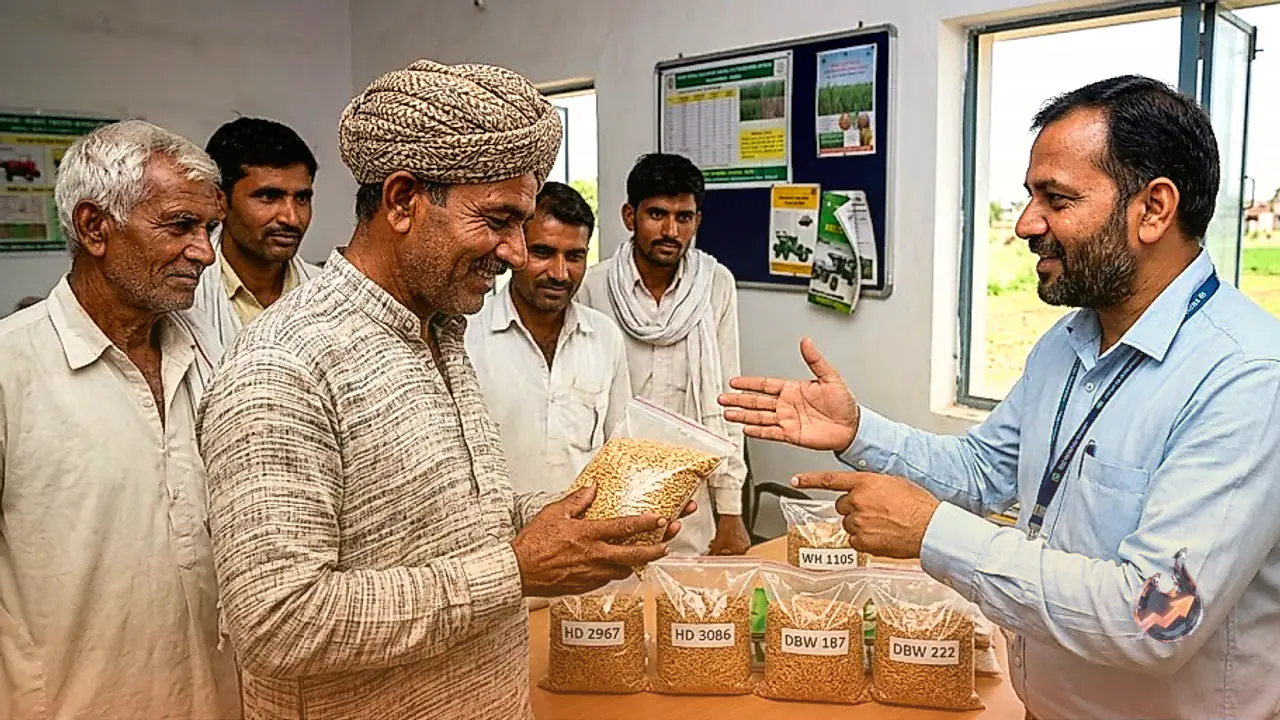
Among the widely cultivated wheat options across different regions, HD 2967 and HD 3086 have established themselves as highly reliable choices favored by many growers for their consistent performance. Alongside these, DBW 187 and DBW 222 have gained substantial popularity due to their adaptability across varied climatic conditions and high yield potential. Another notable variety widely adopted by farmers is WH 1105. While selecting any of these varieties, growers must carefully evaluate their specific field characteristics, irrigation capacity, and soil texture, as the actual output depends heavily on how well the chosen seed responds to local conditions.
Importance of Timely Sowing and Field Moisture Control
Selecting an advanced seed variety is only the first step toward a successful harvest; sowing at the appropriate time is equally decisive. When seeds are sown during the optimal window and field moisture levels are maintained properly, crop germination and early vegetative growth receive a significant boost. Farmers are strongly advised to purchase only certified, high-quality seeds from authorized agricultural distribution centers. Using unverified seeds can lead to poor germination rates and weaker crops, risking financial loss. Maintaining optimum moisture levels during field preparation encourages deeper root development, making the crop more resilient against sudden weather shifts.
Role of Expert Guidance and Adapting to Regional Factors
The field performance of varieties like DBW 187, DBW 222, and WH 1105 can vary considerably based on local microclimates, soil types, and specific cultivation techniques applied. A variety that achieves exceptional productivity in one geographic zone might deliver different results under another set of weather conditions. For this reason, farmers should consult local agriculture departments or qualified agricultural scientists prior to buying seed stocks. These experts can analyze local soil health reports, seasonal forecasts, and irrigation capacity to recommend the precise wheat variety best suited for that specific farming zone.
Comprehensive Crop Management Beyond Quality Seeds
While procuring high-quality seeds provides a solid foundation, achieving superior yields demands comprehensive farm management throughout the growing season. Proper soil preparation through thorough plowing and balanced application of organic manure and chemical fertilizers are critical steps. Timely irrigation scheduling paired with proactive weed management and disease control ensures that crops reach their full biological potential. Regular field monitoring allows farmers to detect pest infestations or nutrient deficiencies at an early stage, enabling swift corrective measures before yield loss occurs.
Factors Influencing Final Profitability and Economic Outcomes
Adopting scientific farming methods and choosing superior seed options creates strong possibilities for higher production, but crop yield alone does not guarantee financial success. A farmer's net profit remains tied to several external and market-driven factors, including total market prices at harvest time, overall production expenses, total crop output, and unpredictable weather patterns. Unexpected heat spikes or unseasonal rainfall can affect final returns. Therefore, gathering complete information on climate suitability, securing certified seeds, and seeking advice from local agricultural officers remain crucial steps toward risk reduction and economic sustainability.