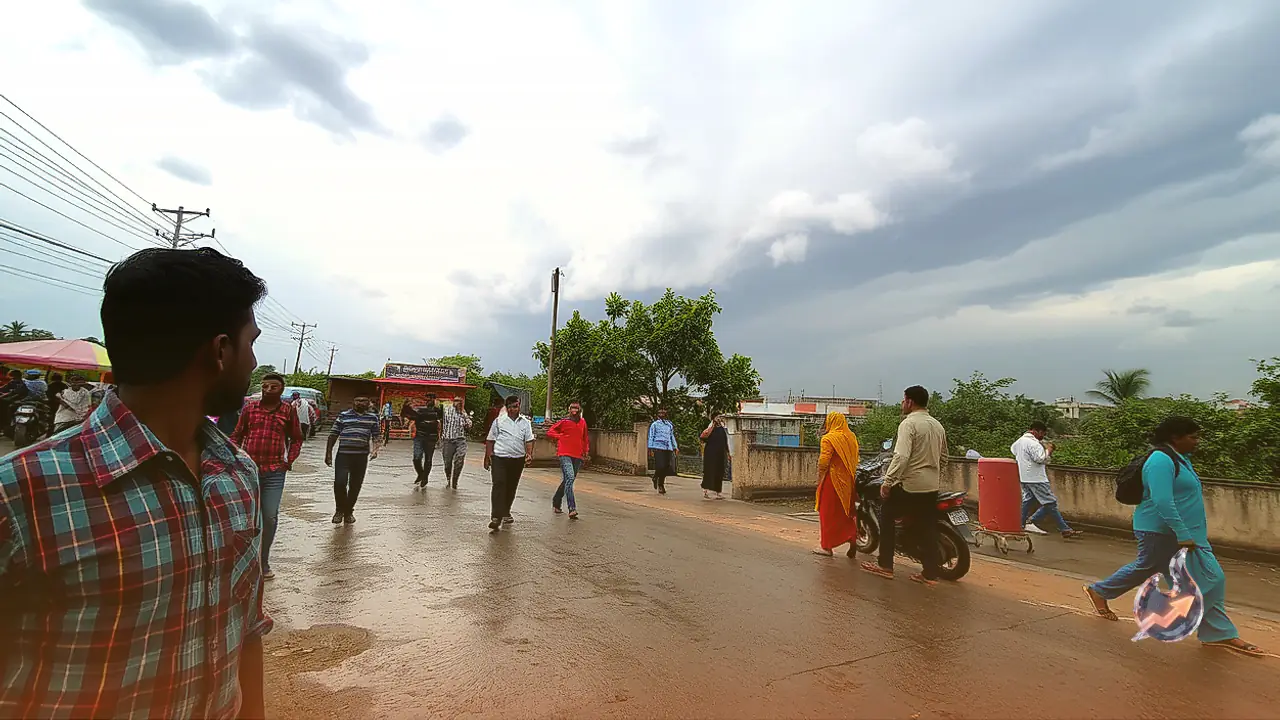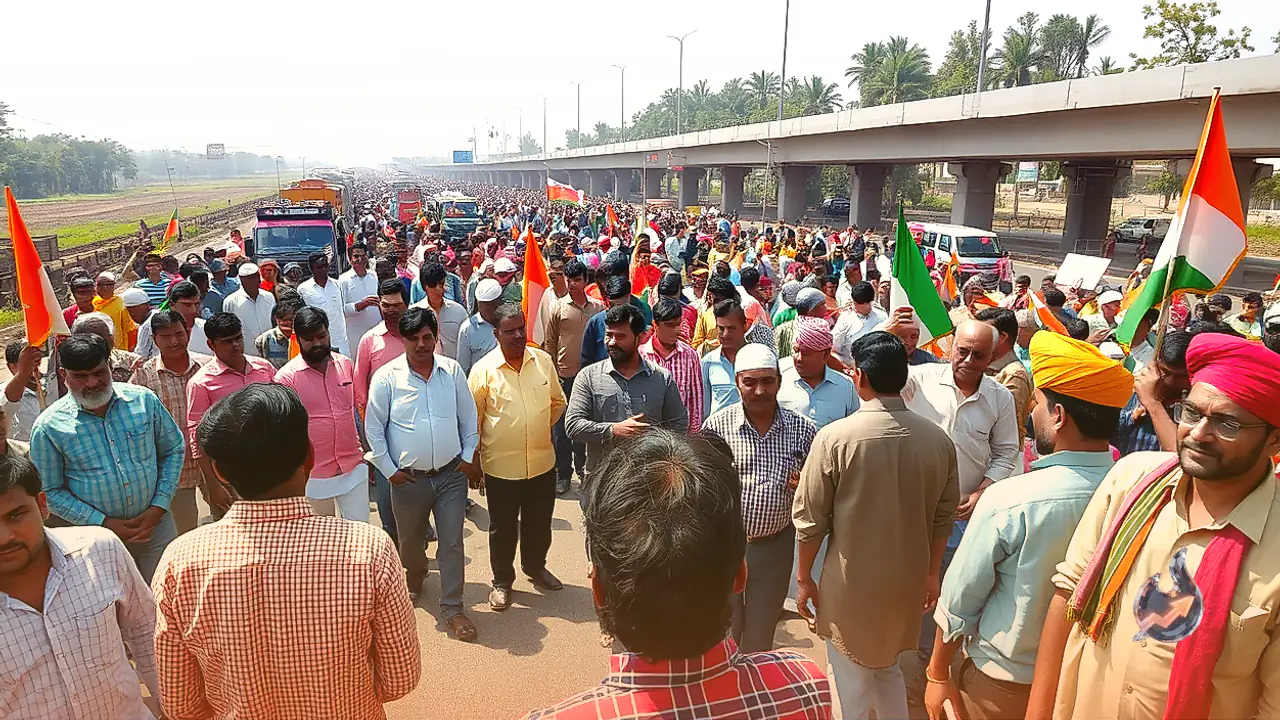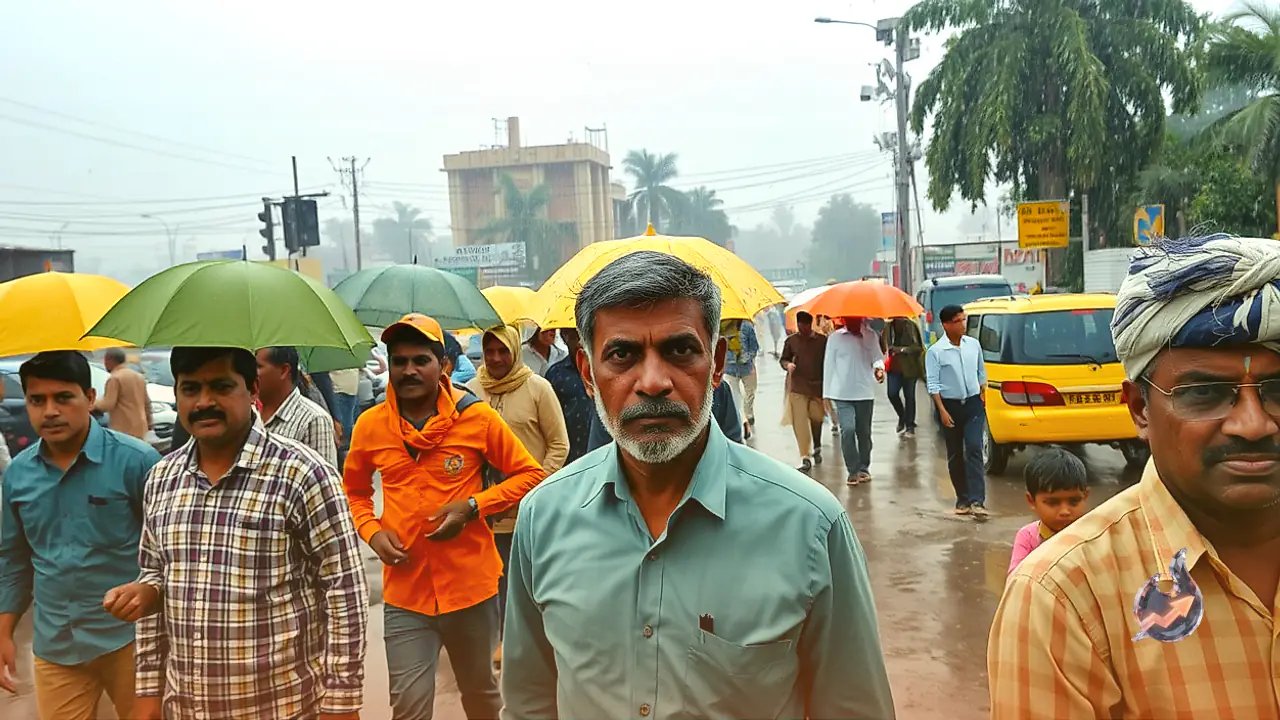


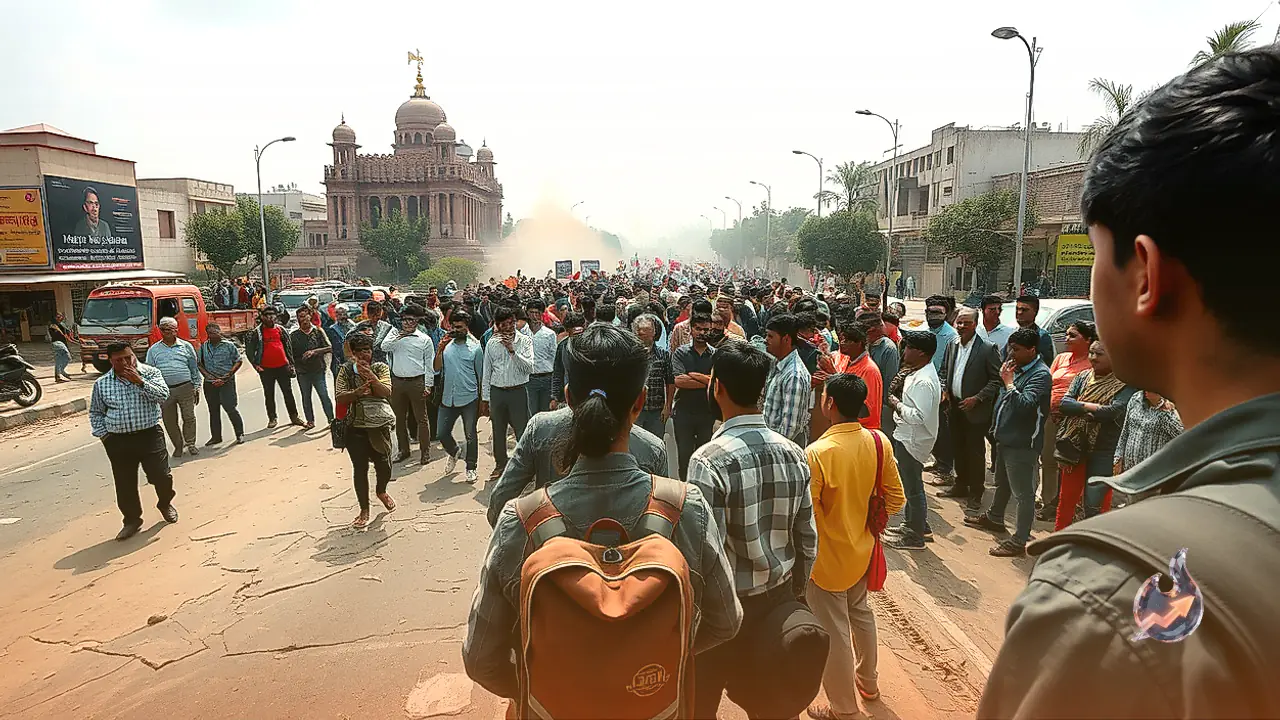


















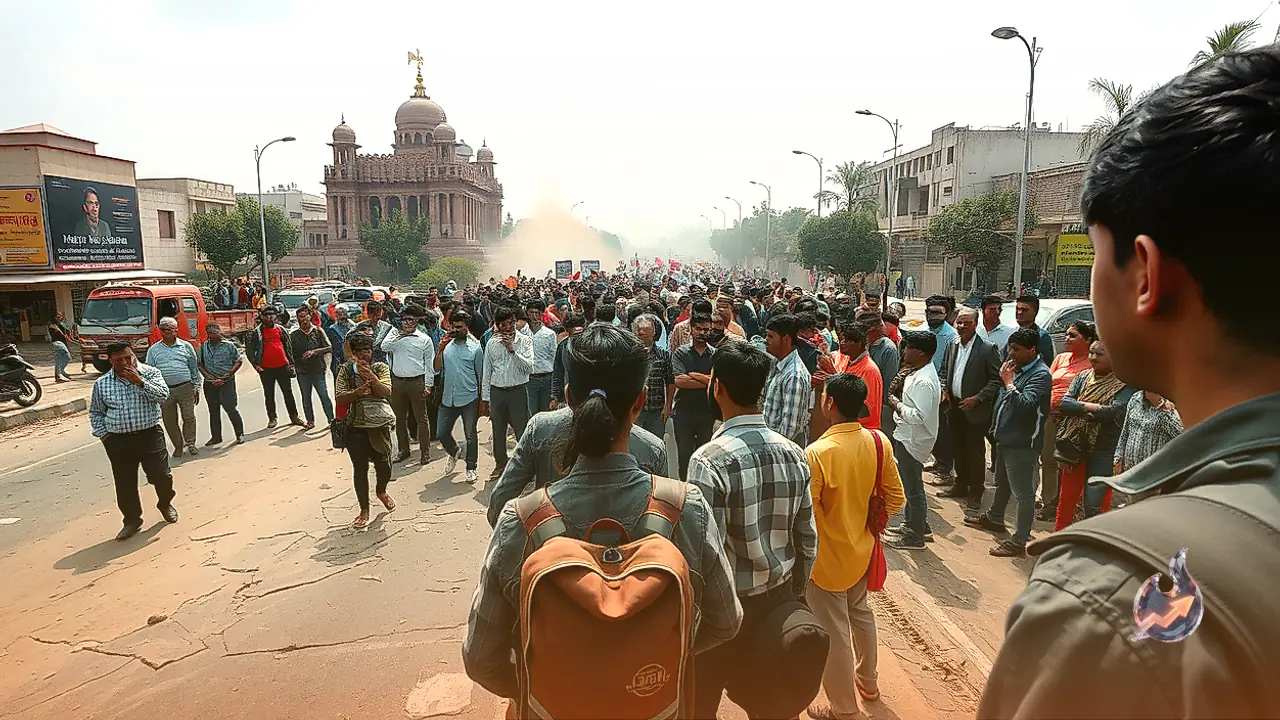

Every year, thousands of students from across the country arrive in Kota to prepare for medical and engineering entrance examinations. Their daily lives revolve around rigorous study schedules, test series, and long coaching sessions. However, the damaged streets leading to their coaching institutes have become a daily hazard. In the Landmark City area, accumulated waste, deteriorated roads, deep potholes, rising dust, and severe traffic congestion disrupt the routines of coaching students. During dismissal hours, roads become overcrowded to the point where walking safely is extremely difficult. Students point out that dealing with dust and traffic jams while commuting between hostels, paying guest accommodations, and classes wastes valuable time and hurts both their health and study routines.
Broken Streets and Poor Sanitation Hamper Daily Commutes
Rahul Raj, a student residing in Landmark City, pointed out that the local road infrastructure is fractured in multiple spots. The sudden surge of vehicles at the end of coaching sessions regularly leads to massive gridlock. During monsoon rains, the condition of the road deteriorates further, turning potholes into dangerous hazards. He urged authorities to carry out urgent road repairs so that students can travel safely and without delays between their hostels and coaching centres.
Huzaif, another student in the area, stressed that young aspirants travelling from distant cities deserve a supportive and healthy study environment in Kota. Fast-moving vehicles on degraded surfaces kick up heavy clouds of dust throughout the day. This dust causes breathing difficulties and irritates students who must walk through it repeatedly. Huzaif called for permanent road repairs accompanied by a regular municipal cleaning routine to keep dust and dirt from accumulating along pedestrian paths.
Pothole Hazards and Calls for Traffic Diversions
The combination of uneven roads and unmanaged traffic has increased safety concerns across the student hub. Student Harshit explained that during peak coaching hours, the simultaneous surge of vehicles and thousands of pedestrians creates a severe risk of accidents. He recommended that local authorities reroute traffic during coaching dismissal periods. Redirecting four-wheelers and private cars to alternative bypass routes could ease congestion and provide a safer passage for walking students.
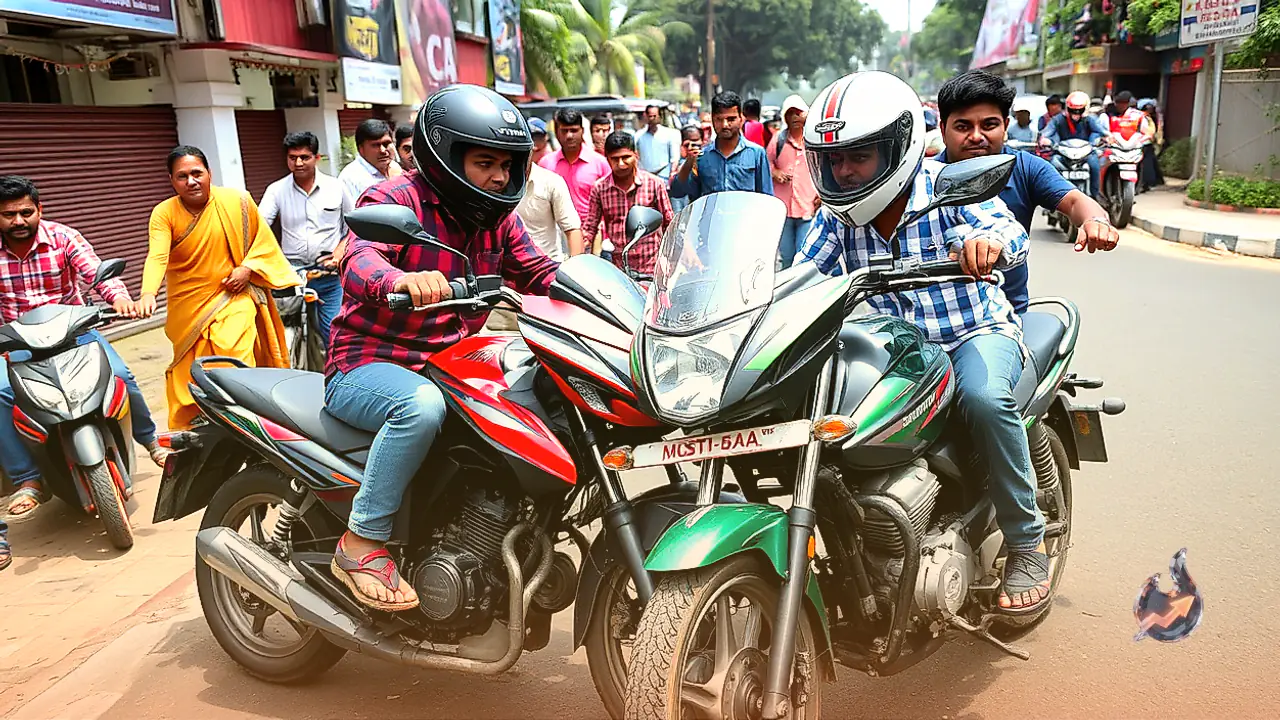
Navigating these damaged surfaces on two-wheelers has also turned risky. Students riding scooters often face the danger of falling due to uneven craters and loose debris. To manage airborne dust, students proposed installing automated water sprinkler systems on Landmark Road outside the Sangyan building to dampen the ground regularly. They also recommended planting more trees and green cover along the road margins to help filter dust and improve air quality.
Rigid Schedules Strained by Civic Neglect as Students Seek Action
A student named Ram stated that he relies on this specific road every day to reach his coaching classes. The continuous combination of broken road sections, dust, and heavy vehicular jams creates relentless frustration. Students pointed out that they came to Kota to pursue their academic goals, not to struggle with environmental pollution and road hazards. Their schedules are already packed, beginning with early morning classes, day-long lectures, and late-night preparation for mock exams. Getting stuck in traffic and inhaling dust while returning to their hostels depletes both their energy and study time.
Students have urged municipal bodies and administrative departments to intervene without delay. Their demands include swift resurfacing of damaged roadways, consistent sanitation drives, and effective traffic management around coaching clusters. Ensuring smoother transit, reliable connectivity, and a cleaner environment remains vital to protecting the wellbeing and focus of competitive exam aspirants in Kota.