

















Across the historical landscape of Rajasthan, local traditions honoring protective female deities hold an enduring place in everyday religious life. In the Pali district of the Marwar region, the Shri Bani Thani Bayosa Mata Ji Dham stands out as a prominent center of deep devotion. The sacred shrine is widely revered as a sanctuary of hope and maternal solace for orphaned, distressed, and vulnerable children, including those coping with severe physical or psychological ailments. Local worshippers maintain an unwavering conviction that anyone seeking refuge at this altar with heartfelt reverence never leaves empty-handed, receiving spiritual protection and relief from life's tribulations.
The Sacred Ritual of Three Daily Offerings
A distinctive hallmark that sets this holy shrine apart from many others is the observance of the Trikal Bhog, the presentation of consecrated food offerings three times each day. Following strict canonical protocols, specific offerings are prepared and presented to the deity during the morning, afternoon, and evening. These rituals align directly with the morning Mangala Aarti, the midday Rajbhog, and the twilight Sandhya Aarti. Devotees hold the sacred belief that the deity herself accepts these offerings in a subtle, unseen form, bestowing blessings, well-being, and divine protection upon the faithful who present them.
Cultural Roots of Bayosa Worship and the Royal Adornment
In the folklore and traditional practices of Marwar, especially within the rural fabric of Pali, the reverence of local goddesses and ascetic maidens known as Bayosa runs deep. In the regional Marwari vernacular, the term 'Bayosa' is used as an honorific designation representing an unwed maiden revered in divine form. The shrine earned the title 'Bani Thani' on account of the deity's regal, bride-like embellishment. Each day, the idol is dressed in vibrant traditional Rajasthani attire, detailed jewelry, and finely crafted garments with intricate gota-patti work. This magnificent adornment forms the central visual focus for visiting pilgrims. Across generations, families throughout Pali and neighboring villages have worshipped Bayosa Mata as their ancestral patron and household protector.
Guardian Deity for Vulnerable and Ailing Children
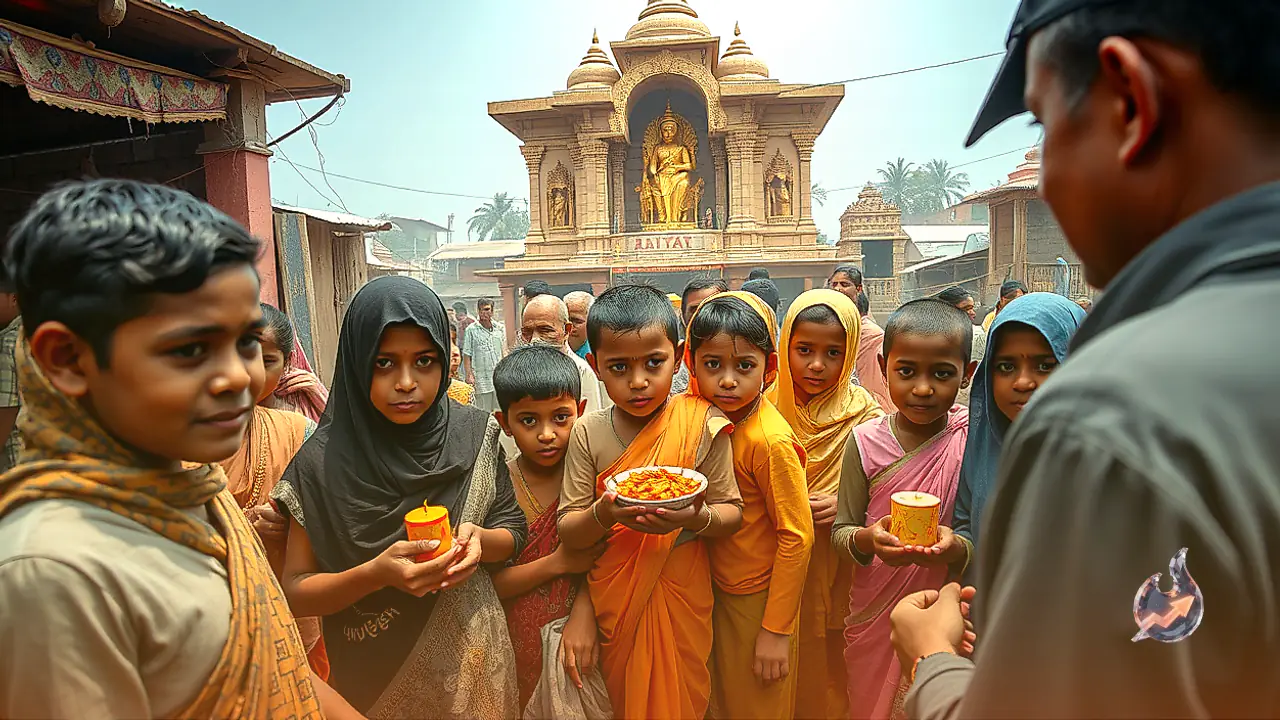
According to widely held local beliefs, Bayosa Mata acts as the ultimate guardian for children who have lost parental care or face deep adversity in the world. Families caring for children troubled by chronic illnesses or emotional hardships bring them to the temple to bow before the deity, seeking maternal comfort and recovery. The sanctum also draws married couples praying for the blessing of children as well as devotees seeking deliverance from personal hardships, cementing the shrine's reputation as a benevolent refuge for the helpless.
Navratri Gatherings Draw Thousands Across Western Rajasthan
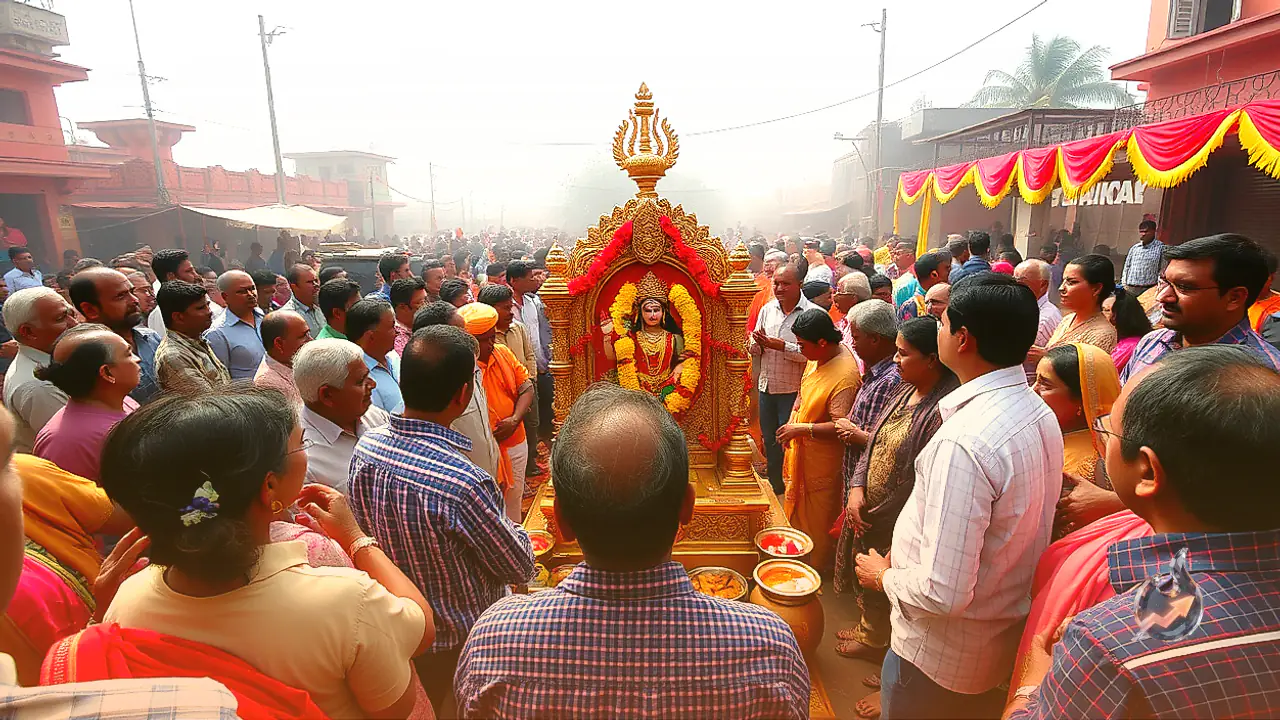
While the temple bustles with routine devotional practices throughout the calendar year, its spiritual atmosphere reaches its peak during the holy periods of Navratri. Grand religious fairs take place during both Chaitra Navratri and Ashwin Navratri. During these festive periods, thousands of pilgrims travel not only from Pali but also from surrounding districts including Jodhpur, Jalore, and Sirohi to participate in special prayers, fulfill vows, and seek the blessings of the deity. The shrine remains an enduring symbol of community faith and regional cultural heritage in western Rajasthan.