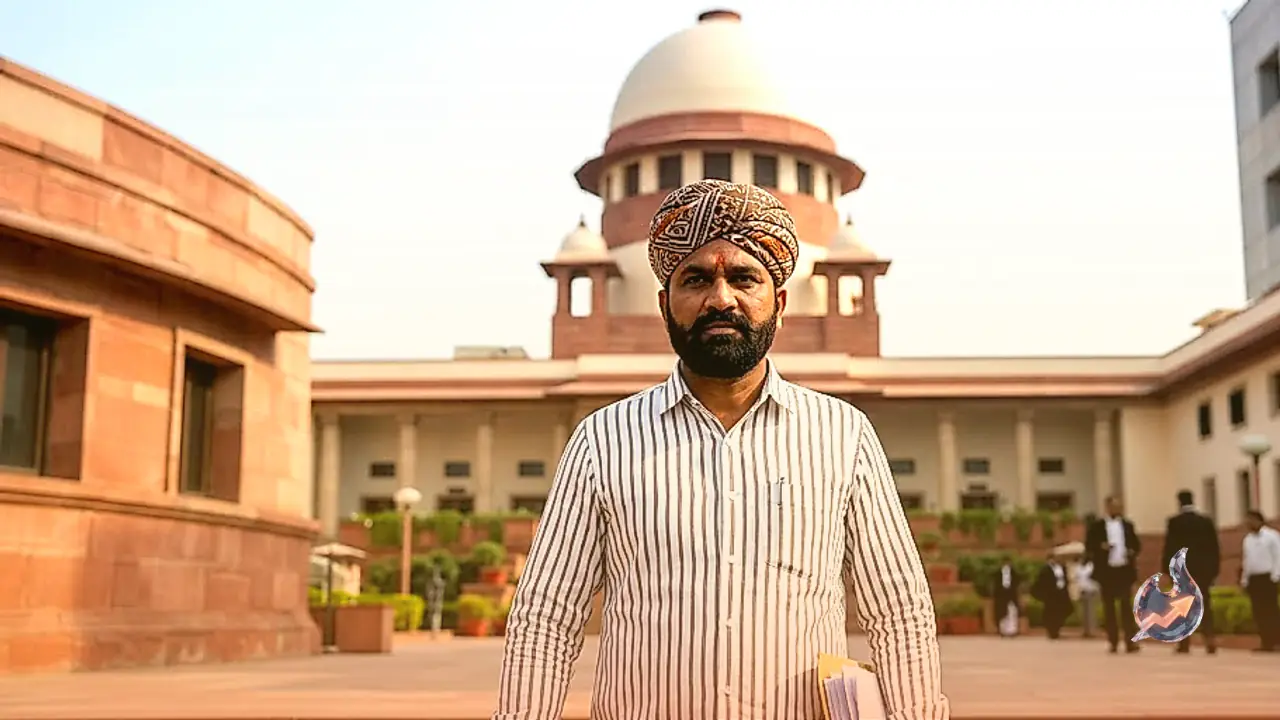

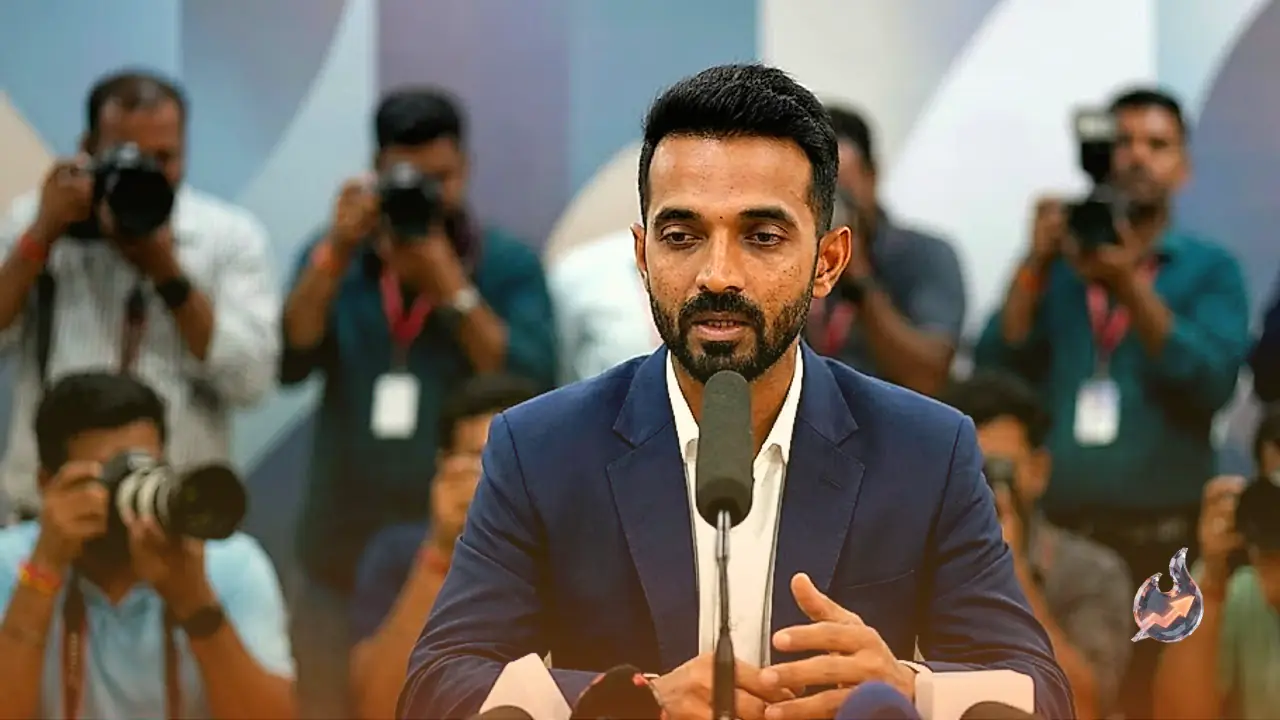


















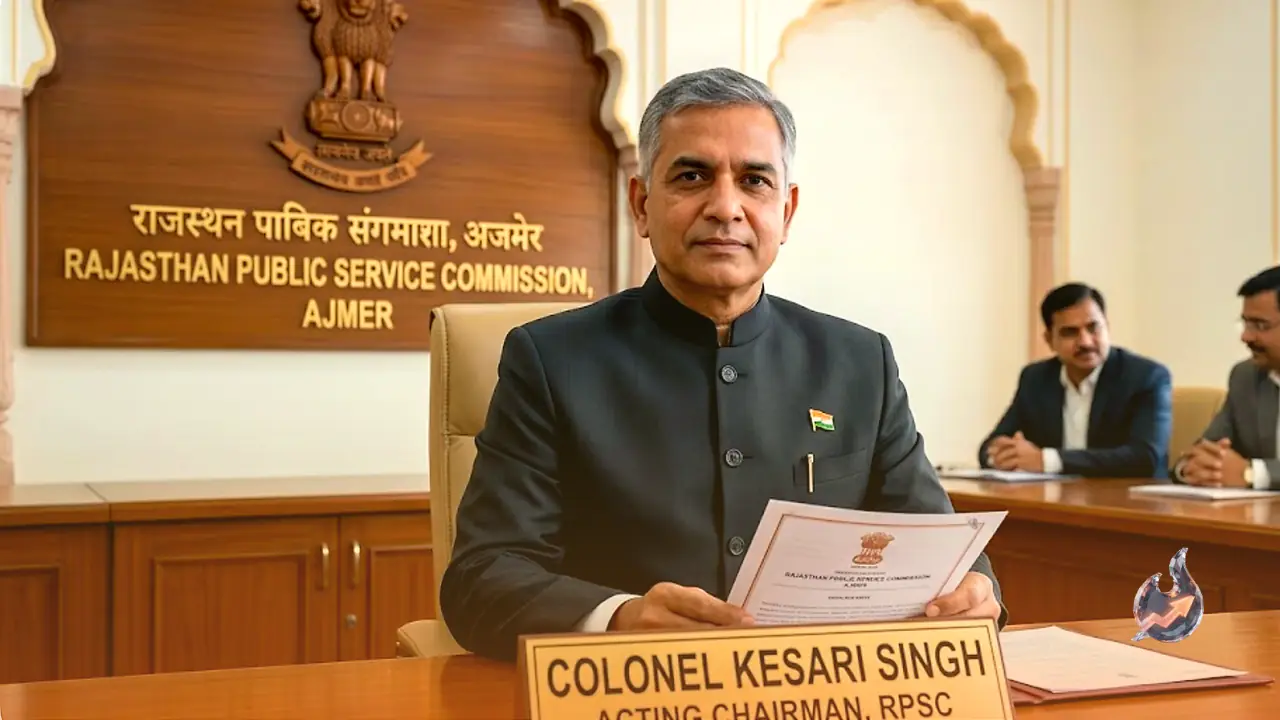

In a major administrative reshuffle, the Rajasthan Public Service Commission, based in Ajmer, has undergone a significant leadership transition. Governor Haribhau Bagde has officially assigned the additional responsibility of the RPSC chairmanship to the senior commission member, Colonel Kesari Singh. This development follows the retirement of the outgoing chairman, Utkal Ranjan Sahoo, whose tenure concluded recently, triggering fresh organizational movements at the commission’s headquarters.
End of an Era: Utkal Ranjan Sahoo Departs
The transition marks the end of Utkal Ranjan Sahoo’s directorship, which wrapped up on June 19. Sahoo, who originally took voluntary retirement from his post as the Rajasthan DGP to head the commission, served as the chief of this prestigious institution for approximately one year. During his brief but highly regarded tenure, Sahoo introduced several landmark administrative reforms. His leadership successfully pushed through dozens of delayed recruitments across various state government departments with high transparency, restoring the confidence of state job aspirants. Ever since his departure, there had been intense speculation about his successor, which has now culminated in Colonel Kesari Singh taking charge.
Two New Members Inducted
Alongside the appointment of the acting chairman, the state administration has also filled vacant seats within the commission. On the government’s recommendation, Governor Haribhau Bagde cleared the permanent appointment of two prominent figures to the RPSC. Professor Santosh Anand and Dr. Deepak Kumar Sharma, both distinguished names in academia and administration, have officially joined as members. Their induction is expected to speed up pending decision-making processes and ease the execution of upcoming examinations.
Tenure Regulations and Crucial Tasks Ahead
According to the standard statutory rules governing the commission, the newly appointed members will hold their offices for a period of six years from the date they assume charge, or until they reach the maximum age limit of 62 years, whichever occurs first. These timely appointments in Ajmer are anticipated to bring fresh momentum to the administrative machinery preparing for the upcoming RAS exams and various grade teacher recruitments. The new leadership faces the critical challenge of organizing these large-scale competitive exams within strict timelines while ensuring they remain entirely free from leaks and discrepancies.