


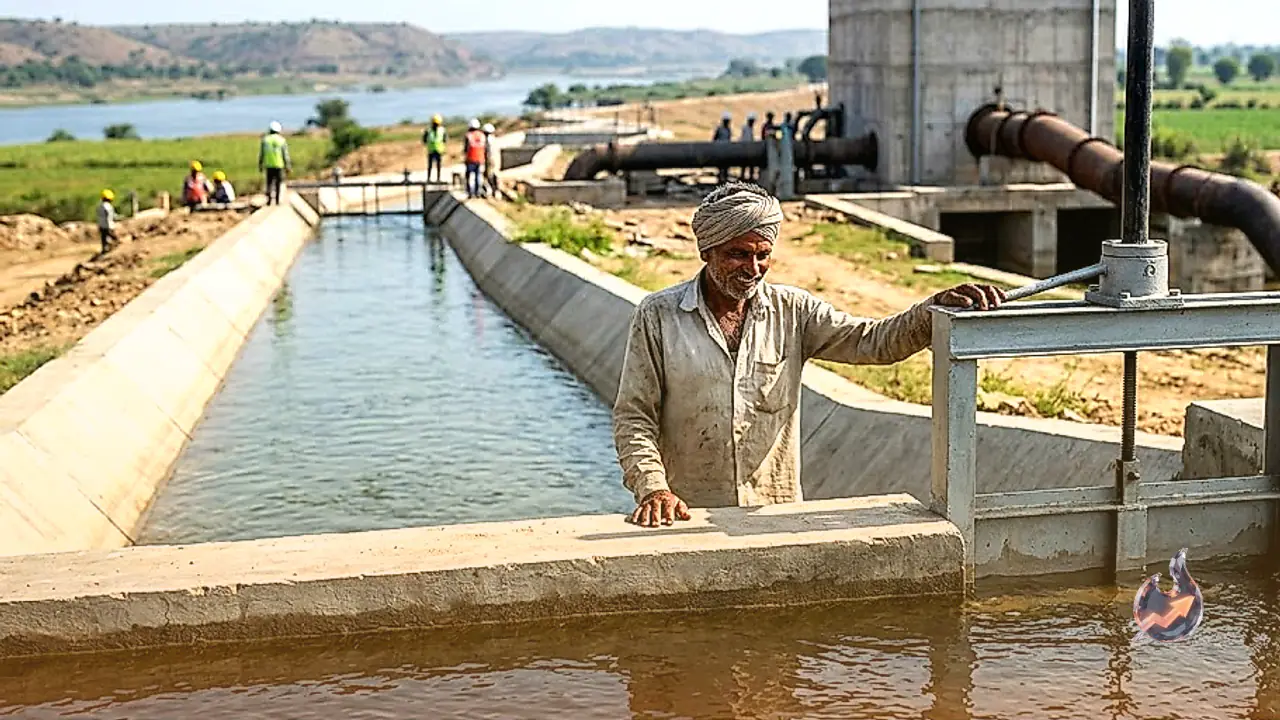



















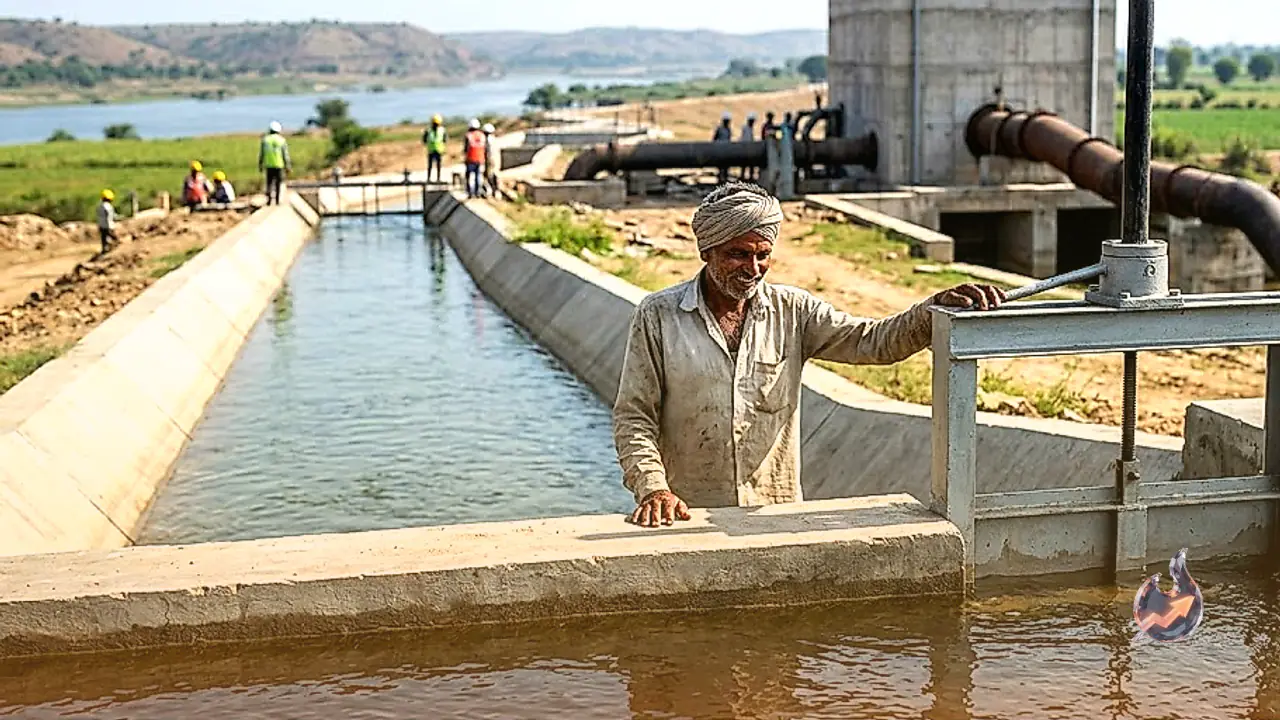

Efforts to strengthen irrigation infrastructure in Rajasthan are progressing rapidly, with a strong focus on delivering water to every farm. In Dholpur district, the construction work on the Dholpur Lift Irrigation and Drinking Water Project has reached approximately 90 percent completion. Once fully operational, the project is proposed to connect 256 villages with irrigation facilities. Under this initiative, modern sprinkler irrigation systems will cover a total area of 39,980 hectares. The plan involves lifting 6.54 cumecs of water from the Chambal River annually between October and March.
Water Reserved for Drinking Needs
Beyond agricultural benefits, the project also prioritizes domestic water supply for rural communities. Ten percent of the total water lifted through the project has been specifically reserved for drinking purposes. This allocation is expected to significantly ease drinking water shortages for a large population in the district. By integrating water resource management for both farming and daily consumption, the regional administration aims to address long-standing infrastructural challenges in the area and improve overall living standards for rural households.
Coverage Across Multiple Tehsils
The project encompasses designated villages across four major administrative subdivisions in Dholpur district. Specifically, 65 villages in Dholpur tehsil will receive irrigation connectivity. Additionally, the project covers 83 villages in Mania tehsil, 83 villages in Rajakhera, and 25 villages in Sepau tehsil. This brings the total count to 256 villages designated for agricultural water supply. Utilizing sprinkler irrigation methods will ensure efficient water distribution and maximize the cultivable acreage within the designated zones.
Budget and Financial Allocation
To execute this massive undertaking, the government granted an administrative and financial approval of 852 crore rupees. Out of this sanctioned budget, an expenditure of 716.45 crore rupees has already been utilized so far. Construction activities are in their final stages, with roughly 90 percent of the physical work finished. Upon completion of the remaining technical and infrastructural tasks, operational phases regarding water regulation and supply schedules will commence. The system designed to lift water from the Chambal River remains the core engineering component of the entire undertaking.
Impact on Local Population and Agriculture
The overarching objective extends far beyond basic crop irrigation, aiming to uplift the rural economy. Approximately one lakh residents are expected to benefit directly from the initiative. Once the infrastructure is fully commissioned, farmers in Dholpur, Mania, Rajakhera, and Sepau tehsils will no longer depend entirely on erratic rainfall for their crops. Enhanced water availability in traditionally underserved zones is projected to improve agricultural yields and bring prosperity to farming communities throughout the region.