






















India is currently undergoing a massive transformation in its road infrastructure, as the government aggressively expands its high-speed highway networks to reduce the country’s traditional reliance on the railway system. Under the oversight of the National Highways Authority of India (NHAI), lakhs of crores are being invested in building state-of-the-art expressways and national highways. The strategic approach of NHAI involves developing localized expressway pockets first and then systematically linking them to create giant, interconnected mega-expressways. Among these highly anticipated transit projects, the Delhi-Amritsar-Katra Expressway stands out as one of the most critical. Once the entire construction is complete, this massive corridor will establish a direct, high-speed link between Delhi, Haryana, Punjab, and Jammu and Kashmir, slashing travel times to less than half of what they currently are and integrating the northern region like never before.
Easing Long Journeys Across North India
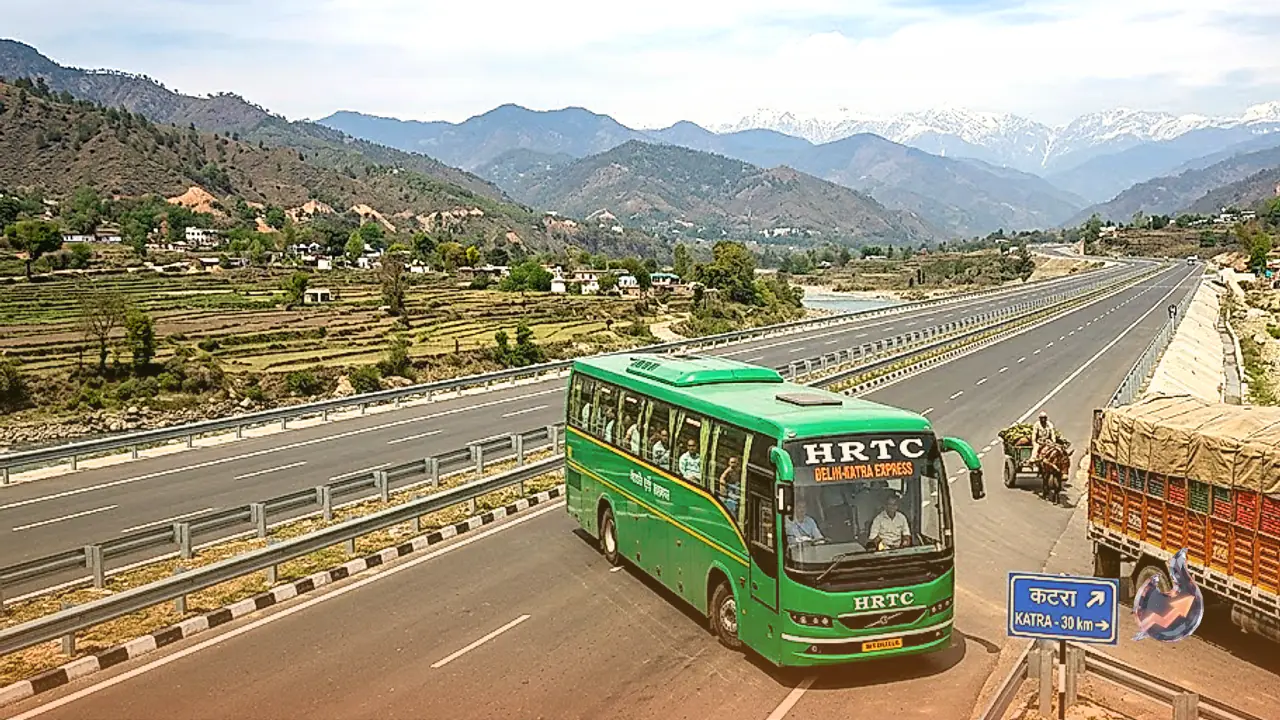
The most immediate and tangible benefit of this infrastructure project is the dramatic reduction in travel times for passengers, commercial transport operators, and daily commuters. Currently, a road journey from Delhi to the holy town of Katra takes an exhausting 14 hours, requiring long overnight stops or continuous driving. Once the entire 680-kilometer-long access-controlled corridor becomes fully operational, this travel duration is expected to drop to just about 6 hours. Similarly, the journey between Delhi and the historical city of Amritsar, which currently consumes around 8 hours, will be cut down to a swift 4 hours.
By offering an alternative, highly efficient route, the expressway will significantly ease the heavy traffic load on the perennially busy NH-44, also known as the historic GT Road. This decongestion of existing roads will not only make travel safer but will also streamline the flow of freight, leading to lower fuel consumption and reduced vehicular emissions across the region.
Bridging Major Religious Landmarks and Boosting Tourism
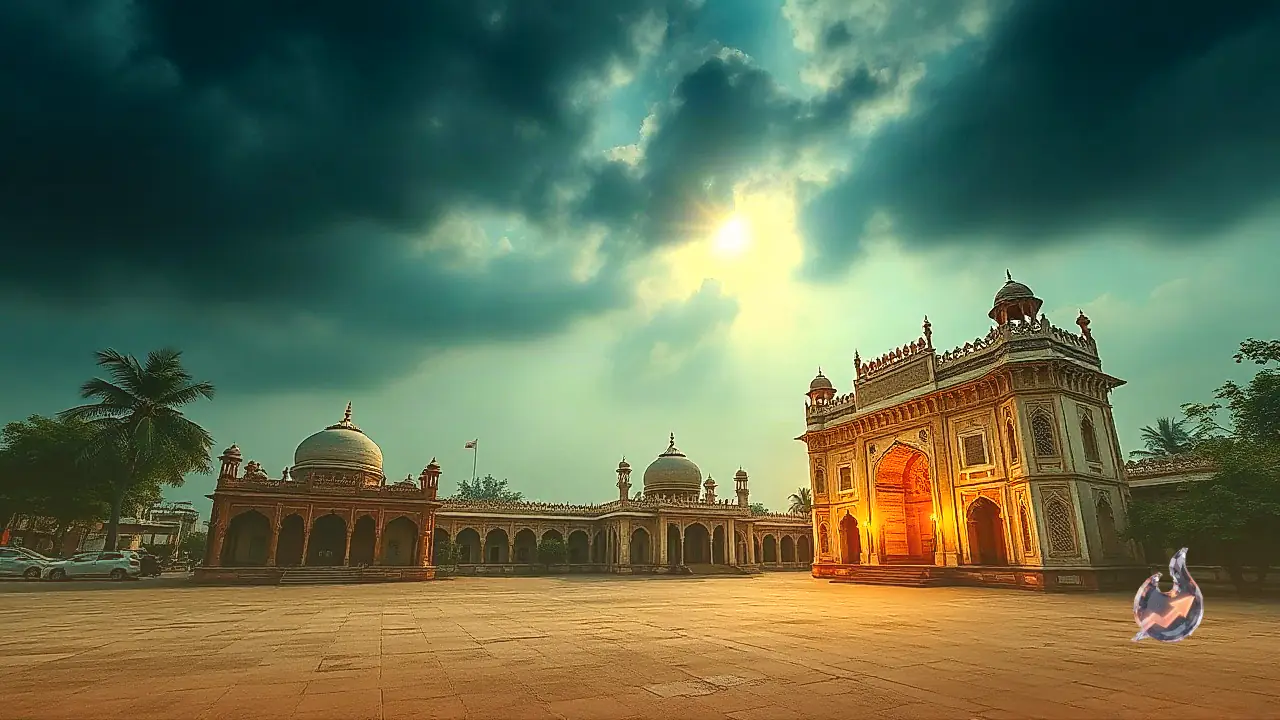
The Delhi-Amritsar-Katra Expressway is being hailed as a major corridor of faith, seamlessly linking several of northern India's most prominent religious and cultural landmarks. On one side of the highway network lies the national capital, Delhi, which is home to historic and widely revered spiritual centers like the iconic Jama Masjid, the ancient Kalka Ji Temple, and the grand Chhattarpur Temple. Moving further north along the route, the expressway leads directly to Amritsar in Punjab, which houses the world-famous Golden Temple (Harmandir Sahib), a spiritual site that draws hundreds of thousands of devotees and global tourists on a daily basis.
The highway then continues onward to terminate at Katra in Jammu and Kashmir, which is the vital base camp for the millions of pilgrims who travel every year to visit the holy cave temple of Mata Vaishno Devi. From Katra, many pilgrims also extend their journeys to visit other sacred sites in the region, such as Shiv Khori. By making these destinations reachable within a fraction of the current travel time, the expressway is expected to give a massive boost to the religious tourism sector, allowing elderly devotees and families to plan comfortable, short-duration trips.
Boosting Economic Ties and Goods Movement
Beyond facilitating spiritual journeys, this highway network is designed to act as a powerful engine for trade, commerce, and regional industrial growth. The expressway will establish direct connectivity between four vital regions: Delhi, Haryana, Punjab, and Jammu and Kashmir. Punjab and Haryana are widely recognized as India’s primary agricultural and industrial hubs, producing vast quantities of food grains, dairy products, and manufactured goods. On the other end, Jammu and Kashmir is highly famous for its premium agricultural exports, including fresh apples, dry fruits, saffron, and exquisite hand-crafted woolen products like the globally coveted Pashmina shawls.
Delhi, serving as a premier global market hub, will now have a direct and rapid supply chain linked to these producing states. With the completion of this expressway, goods transport will become incredibly efficient. Perishable agricultural items from Jammu and Kashmir or industrial parts from Punjab can reach the national capital’s wholesale markets in a matter of hours, minimizing post-harvest losses, lowering transportation costs, and opening up fresh export channels for local businesses.
Modern Infrastructure and Intelligent Traffic Systems
To ensure maximum safety, speed, and driving comfort, the 680 km highway is being constructed as a strict access-controlled expressway. This structural design prevents local, slow-moving vehicles from abruptly entering the high-speed lanes, minimizing the risk of accidents. NHAI is incorporating state-of-the-art road safety technologies into the project, including an Intelligent Traffic Management System (ITMS). This system will use advanced cameras and digital sensors to monitor traffic flow in real-time, automatically detect speed violations or road blockages, and provide real-time updates to drivers.
Furthermore, the expressway will feature world-class wayside amenities at regular intervals. These spots will include modern rest stations, clean food courts, fuel stations, electric vehicle charging points, and emergency medical and vehicle repair facilities. The economic impact of this mega-project is not restricted to urban centers; the rural areas stretching along the 680 km corridor will experience rapid development. Local land values are expected to rise, and the establishment of logistics parks, hotels, and retail outlets near the expressway exits will generate countless direct and indirect employment opportunities for rural communities.
Ongoing Progress and Latest Milestones
The construction of this expansive highway is being executed in multiple phases to ensure high engineering standards. In a major development that highlighted the progress of the project, Prime Minister Narendra Modi in July inaugurated a critical 33.81 km long section of the expressway. This official inauguration marked a vital step forward in the gradual completion of the entire 680 km network. As work continues on the remaining packages, the Delhi-Amritsar-Katra Expressway is on track to redefine the transport landscape of northern India, paving the way for a faster, safer, and highly prosperous future.