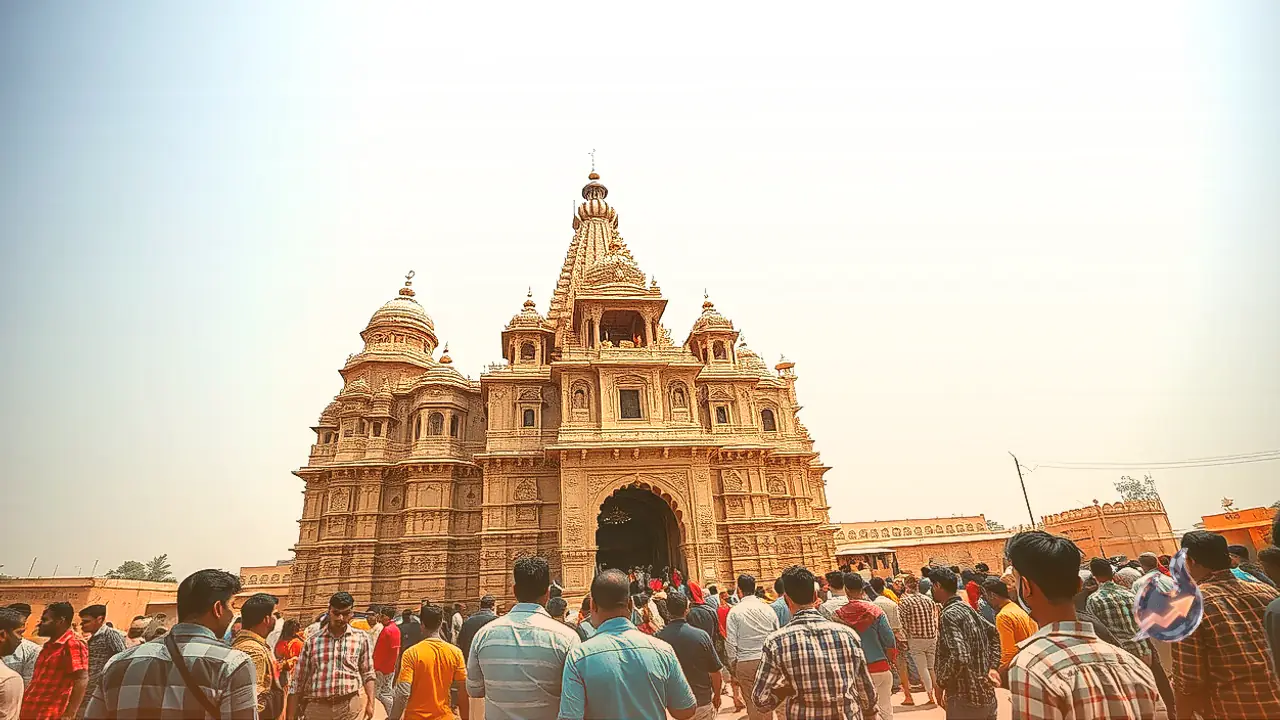



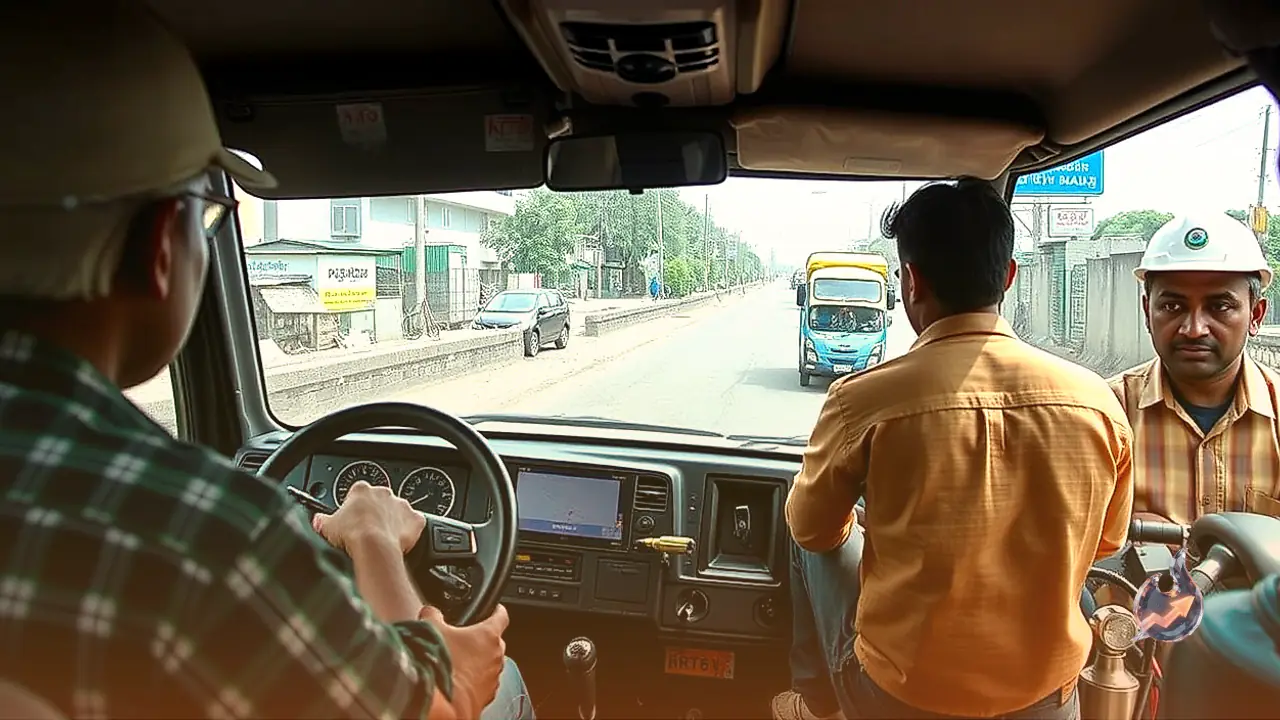















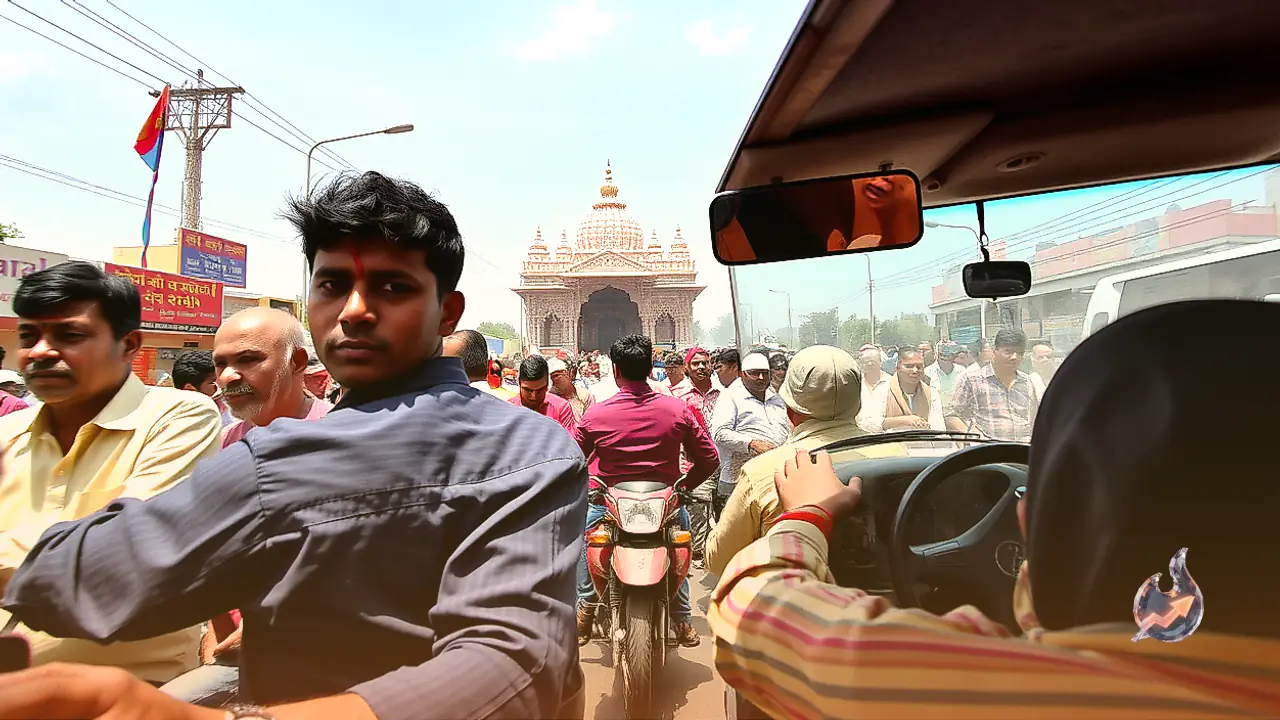

A peculiar custom catches the attention of anyone travelling across Rajasthan's Jalore district. While most sacred places and public zones discourage unnecessary vehicle noise, passing vehicles here purposefully sound their horns upon nearing a roadside shrine. Two-wheelers, passenger cars, and heavy commercial carriers alike engage their horns as soon as the sacred boundary comes into sight. This practice has not been mandated by any transport agency or municipal ordinance; rather, it thrives as an unwritten social code rooted in intense spiritual conviction.
The Valor of King Veeramdev and His Final Stand
According to elderly residents and custodians of local heritage, the deity worshiped here as Mamaji is historically identified as the valorous ruler of Jalore, King Veeramdev. Historical traditions narrate that the ruler mounted a fierce and unyielding defense of his motherland against invading forces. Legend holds that during his final decisive clash on the battlefield, the monarch gave up his life, and his torso fell onto this very ground. Following that martyrdom, the sanctified patch of earth was turned into a shrine where his memory and protective presence have been venerated across centuries.
A Sound That Serves as Daily Reverence
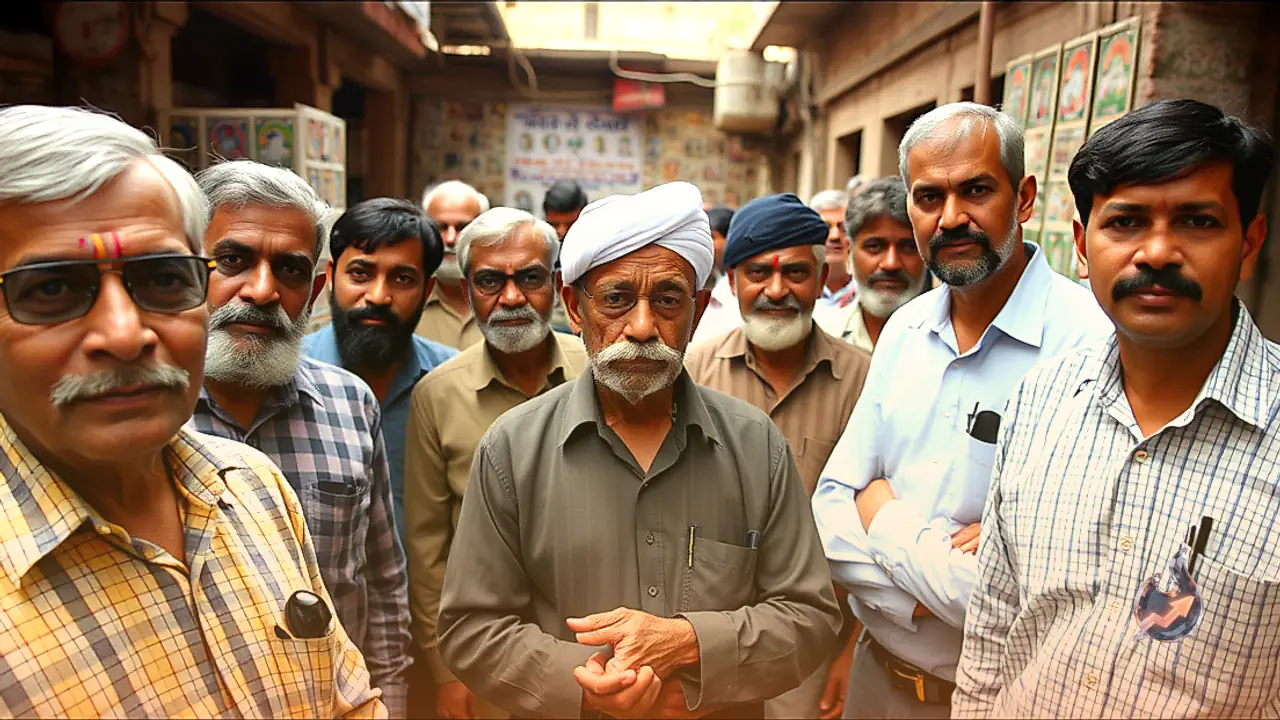
For motorists frequently navigating this transit corridor, sounding the horn serves as an instant roadside prayer to the guardian deity. Elaborating on this deeply ingrained ritual, local resident Shyamlal said, "This temple is a living symbol of King Veeramdev's supreme sacrifice and memory." Following his martyrdom in the decisive war, community reverence elevated him to the position of Mamaji. Over generations, hitting the horn evolved into an instinctive gesture of respect, replacing conventional offerings for those who must keep driving.
Folklore Around Travel Safety and Misfortune
Intertwined with reverence is a shared conviction regarding road safety. People across the region firmly believe that bypassing the shrine in arrogance, ignorance, or haste without sounding the horn invites unexpected calamity. Common lore warns that ignoring this ritual can lead to sudden mechanical breakdown, roadside collisions, or unforeseen travel obstacles further down the road. Rather than taking risks, drivers of all backgrounds treat the brief blast of the horn as an indispensable safeguard for the remainder of their journey.
A Living Heritage Embraced Across Generations
The aura of Mamaji extends far beyond this particular spot, commanding high spiritual regard across urban settlements and farming hamlets throughout Jalore district. Households regard the deity as an active protector shielding travelers from physical perils and keeping families safe. Each day, an influx of devotees arrives to seek blessings or place personal vows before the deity. Upon the fulfillment of their wishes, grateful pilgrims return to conduct special prayers and present offerings, maintaining a vibrant cultural tradition that ties Jalore's regal history to daily life.