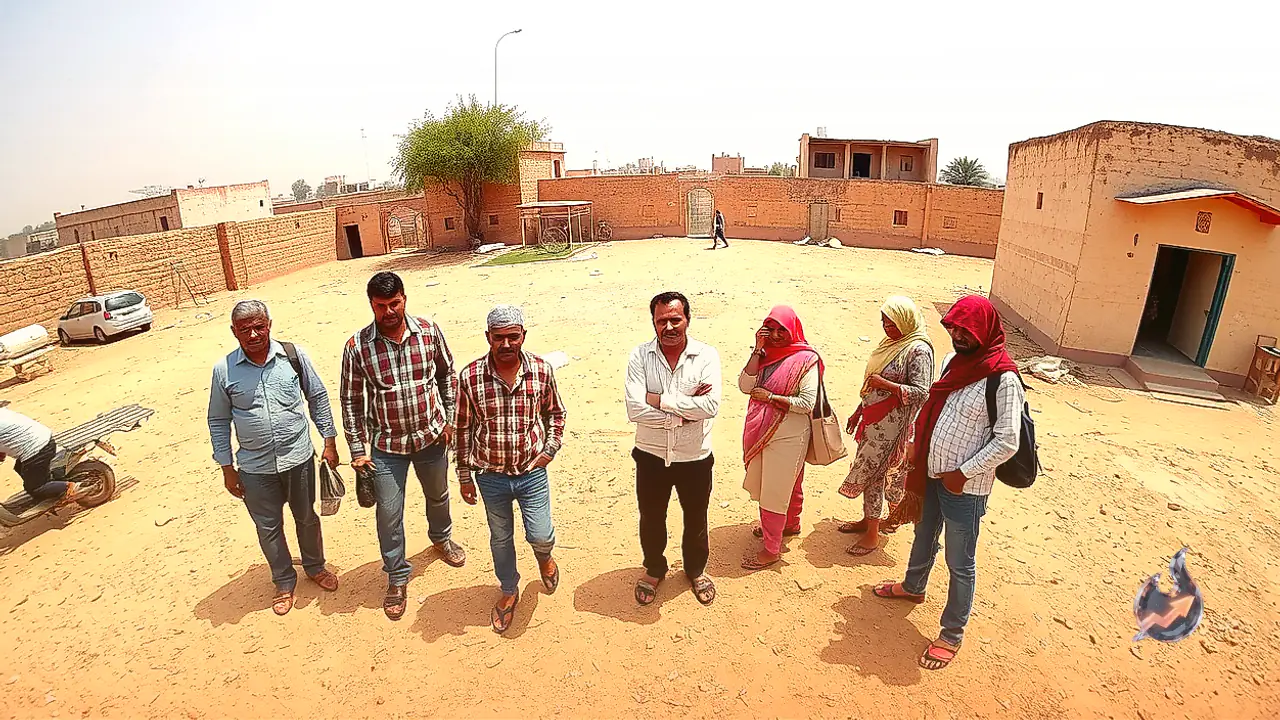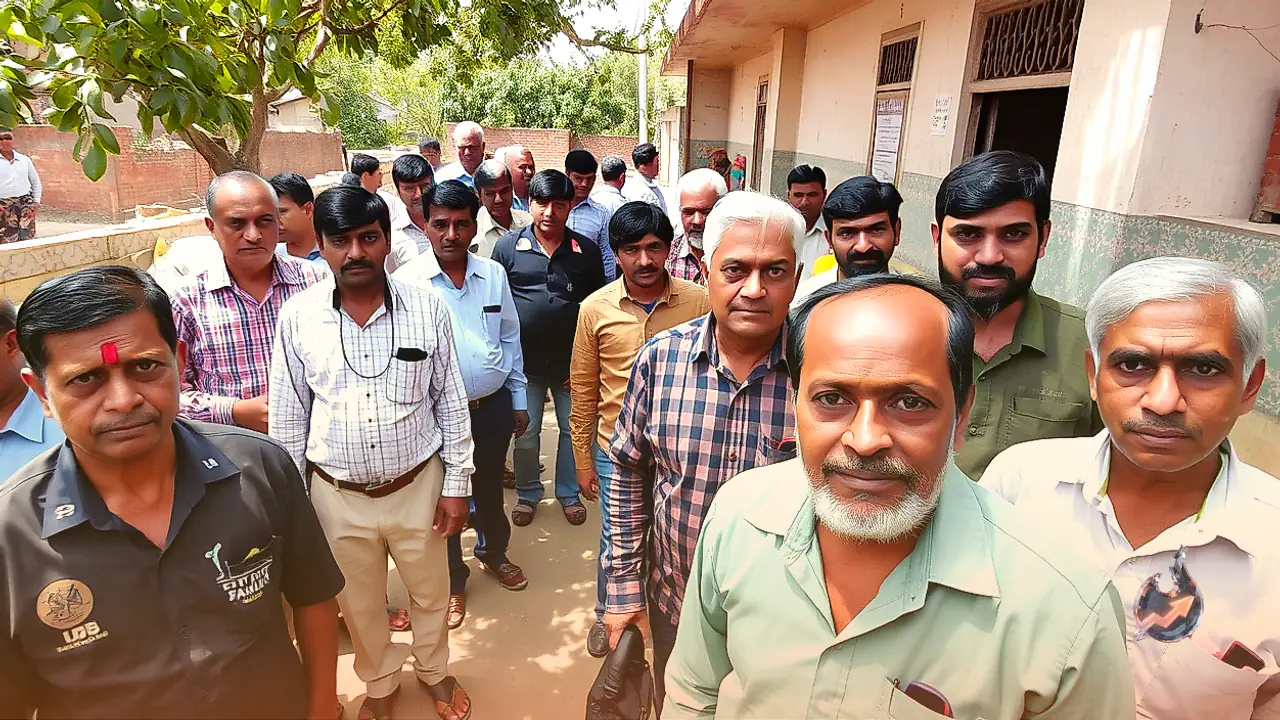


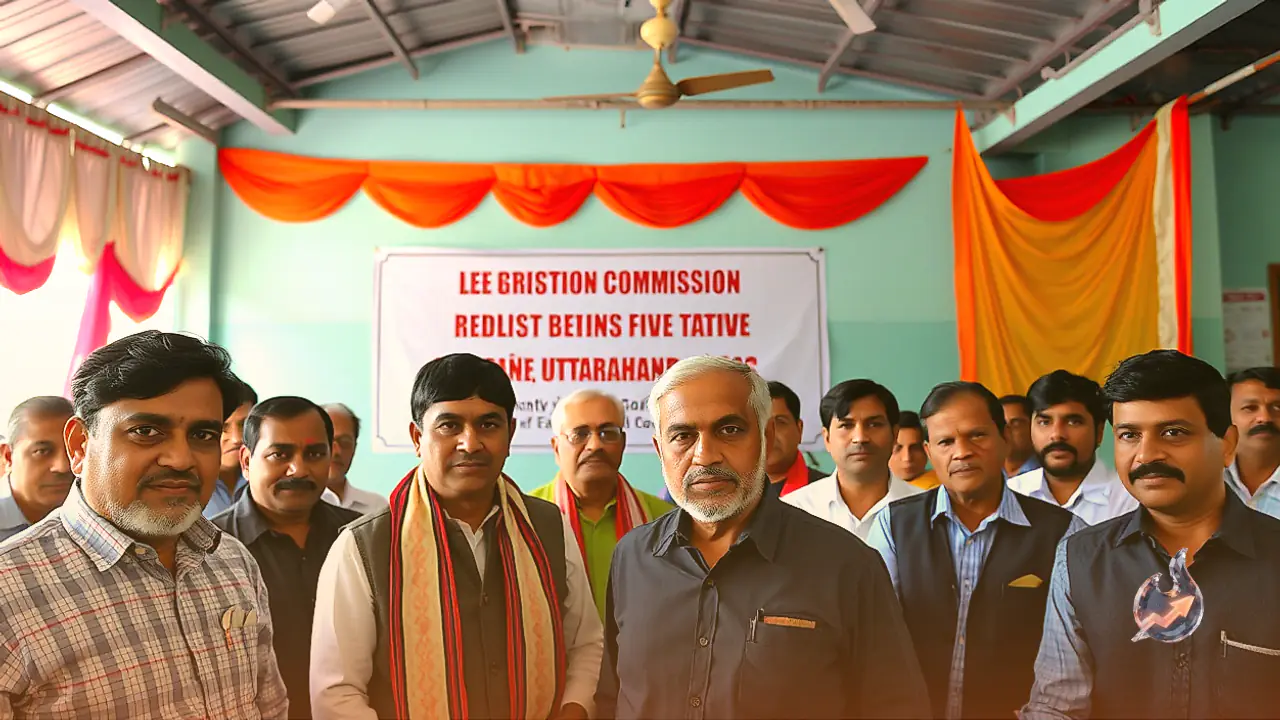















A persistent agrarian standoff in the Gharsana area of Anupgarh, located in western Rajasthan's Sri Ganganagar district, is rapidly escalating into a major political and administrative test for the Bhajan Lal administration. The protest, which has crossed 32 days, coincides with the bustling campaign for local Panchayati Raj elections, amplifying the friction between regional cultivators and state authorities. A recent round of negotiations between the administration and the protesting cultivators failed to break the impasse, leaving the farmers firmly entrenched in their charter of demands.
Highway Blockade Disrupts Regional Connectivity
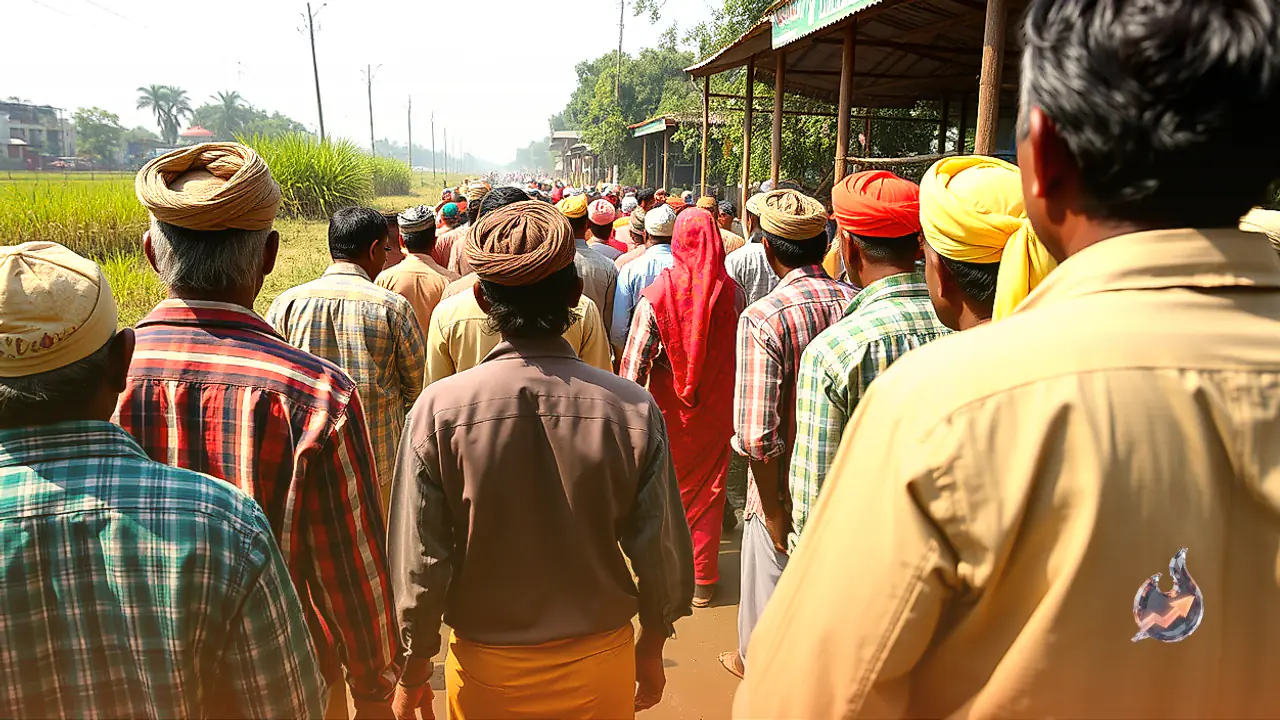
In an effort to register their grievances, cultivators staged a sit-in for a second consecutive day on Bharatmala National Highway 911, centering their demonstration near the 12 MD toll plaza. The highway blockade choked off transit across the Anupgarh, Gharsana, and Bikaner corridors, creating extensive bottlenecks for commuters and commercial transport alike.
Public mobility suffered severe disruption throughout the area. According to the Anupgarh depot manager, approximately 60 percent of state roadway bus operations were derailed along this route, stranding travelers and forcing long-distance buses to alter schedules. Light motor vehicles and freight carriers struggled to navigate alternative rural tracks. To prevent any breach of public order, substantial police contingents were dispatched to the toll plaza area to monitor the crowds and maintain surveillance.
The Water Deadlock: Disagreement Over 6+2 Versus 5+2
At the center of this prolonged confrontation lies a sharp dispute over canal water allocation for crop irrigation. The protesting farmers are demanding a 6+2 water turn system to support their agricultural needs. The state administration, however, has remained rigid on offering a 5+2 irrigation schedule. With neither side willing to concede ground, the administrative dialogue concluded without any breakthrough.
The standoff gained momentum late Sunday night when Rashtriya Loktantrik Party chief and Nagaur Member of Parliament Hanuman Beniwal arrived at the protest site. Beniwal joined the local struggle committee in assessing the dialogue with state representatives. When the talks ended fruitlessly, tension mounted across the gathering as farmers reiterated their disappointment with the administration's stance.
Temporary Respite Ahead of Panchayat Poll Deadlines
Observing the physical toll on the demonstrators and the travel disruption on the highway, Hanuman Beniwal recommended lifting the road blockage temporarily. However, he emphasized that this operational pause should not be mistaken for an end to the stir. Beniwal explained that with only two days remaining to submit nomination papers for the first phase of the Panchayati Raj elections, his presence was urgently required for electoral duties.
The Nagaur lawmaker declared that once the initial election deadlines pass, specifically after October 13 and 14, he will return to stand side-by-side with the cultivators. Leaving future tactical decisions in the hands of the farmer struggle committee, Beniwal asserted that he remains fully committed to fighting for agricultural rights and dignity, pledging to compel the government to listen once the protest reconvenes with greater intensity.
Echoes of the 2004 Agitation and Emerging Political Stakes
The unrest in Gharsana carries strong historical resonance. Protesting farmer groups have openly cautioned authorities that if their canal water demands remain unfulfilled, they will not hesitate to recreate the massive Rawla Gharsana agitation witnessed in 2004. That movement, which occurred roughly two decades ago, remains a benchmark of rural resistance across Rajasthan's canal belt.
For the Bhajan Lal government, resolving this impasse amicably has become an urgent priority. Discontent among farming communities threatens to spill over into the Panchayati Raj polling booths, posing potential electoral vulnerabilities. If the agitation resumes on an expanded scale following the mid-October nomination window, the state administration will confront a much wider public order and governance challenge across western Rajasthan.