



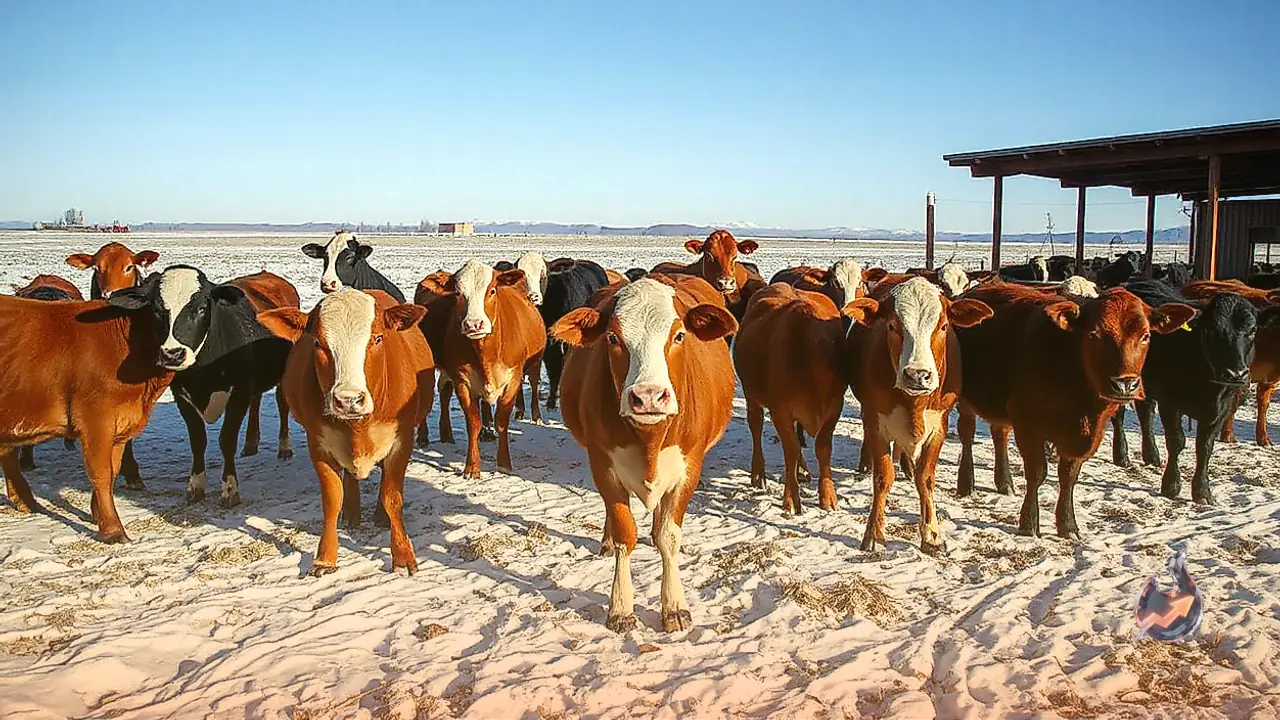

















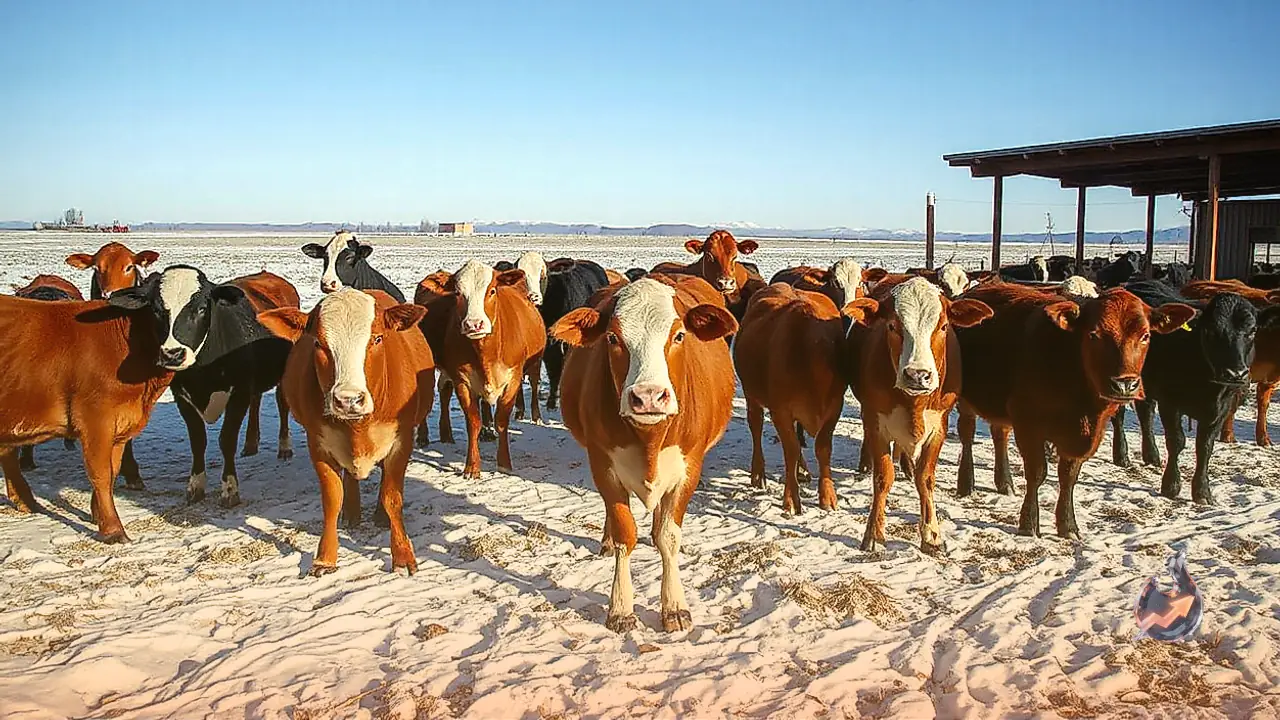

As the winter season begins, livestock owners need to pay special attention to the health and diet of their animals. Due to lower temperatures during the cold months, the digestive capacity, immunity, and overall health of animals can be adversely affected. While providing a balanced and nutritious diet is crucial during this time, avoiding certain food items is equally important. Often, due to a lack of proper knowledge, owners end up feeding fodder or food materials that can lead to gastrointestinal disorders and other health complications in cattle.
Avoid Spoiled And Moldy Fodder
Veterinarian Vishal Prajapati stated that livestock owners should never feed rotten, foul-smelling, or moldy fodder to animals during the winter season. Such fodder may contain harmful bacteria and toxic mold elements that can severely damage the health of the animals. This can cause diarrhea, indigestion, and other digestive troubles in cattle. Therefore, animals should always be provided with clean and fresh fodder.
Be Cautious With Dew-Soaked Fodder
During winter mornings, grass and green fodder in the fields remain covered with dew. Under such conditions, feeding heavily dew-soaked or wet fodder to animals should be avoided. Especially if the fodder is contaminated with soil or dirt, it must not be given to animals without proper cleaning. Keeping the fodder in the sun for some time before feeding is considered a better practice.
Maintain Balance In Green Fodder And Concentrates
Many livestock owners start giving large quantities of green fodder to animals during winter. Although nutritious green fodder is beneficial, suddenly increasing its quantity can disrupt the digestive system, leading to issues like bloating and indigestion. Therefore, the amount of green fodder should be increased gradually and fed in balanced proportions along with dry fodder. Furthermore, feeding excessive amounts of concentrates, bran, and oilcakes in an attempt to increase milk production can prove harmful and cause acidity or indigestion.
Provide Clean And Lukewarm Water
Giving excessively cold or dirty water to animals during winter should be strictly avoided. It is much better to provide clean, room-temperature, or slightly lukewarm water. Regular cleaning of water troughs is also necessary to prevent the accumulation of dirt and harmful bacteria. Ensure that animals are given adequate amounts of water regularly.
Maintain Special Care In Animal Diet
Livestock owners must feed a balanced diet to their animals in winter while avoiding spoiled grains, rotten chaff, contaminated food items, and fodder left open for long periods. Properly include green fodder, dry fodder, concentrates, and essential minerals in the animal diet. If an animal reduces its feed intake, starts bloating, or shows any unusual changes in health, a veterinarian should be consulted immediately. Proper nutrition and regular care can keep animals healthy throughout the winter season.