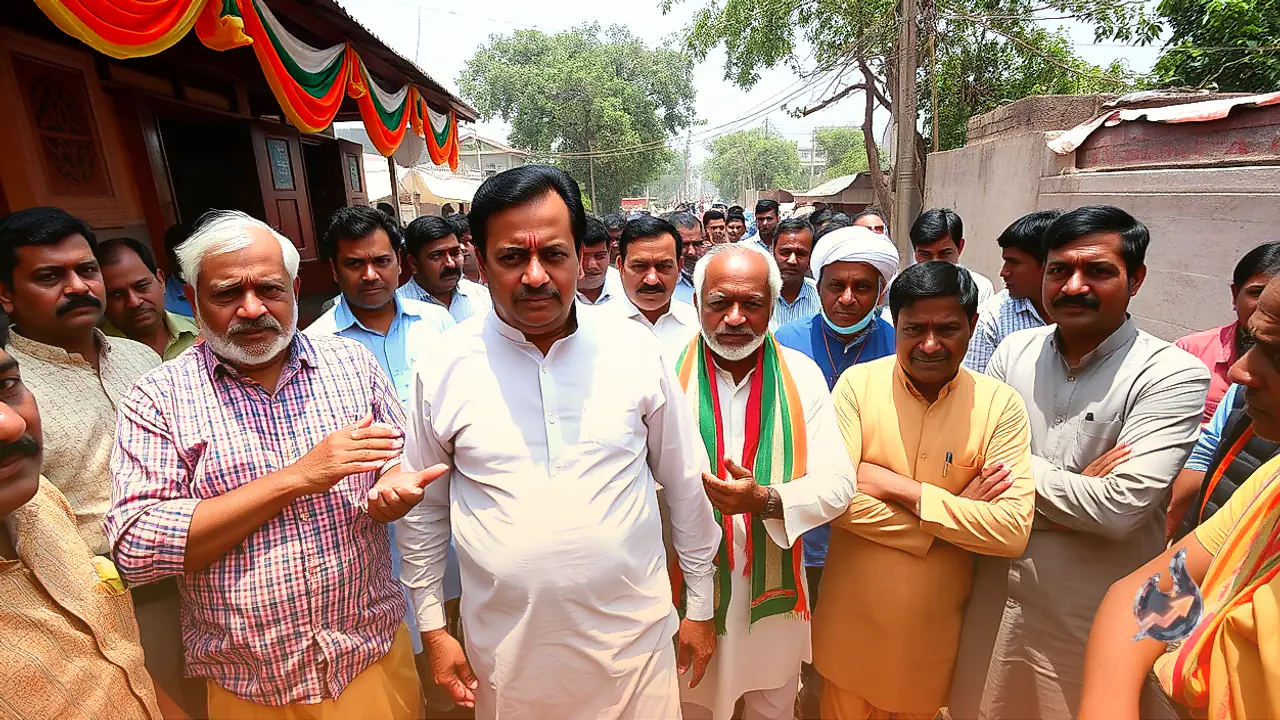





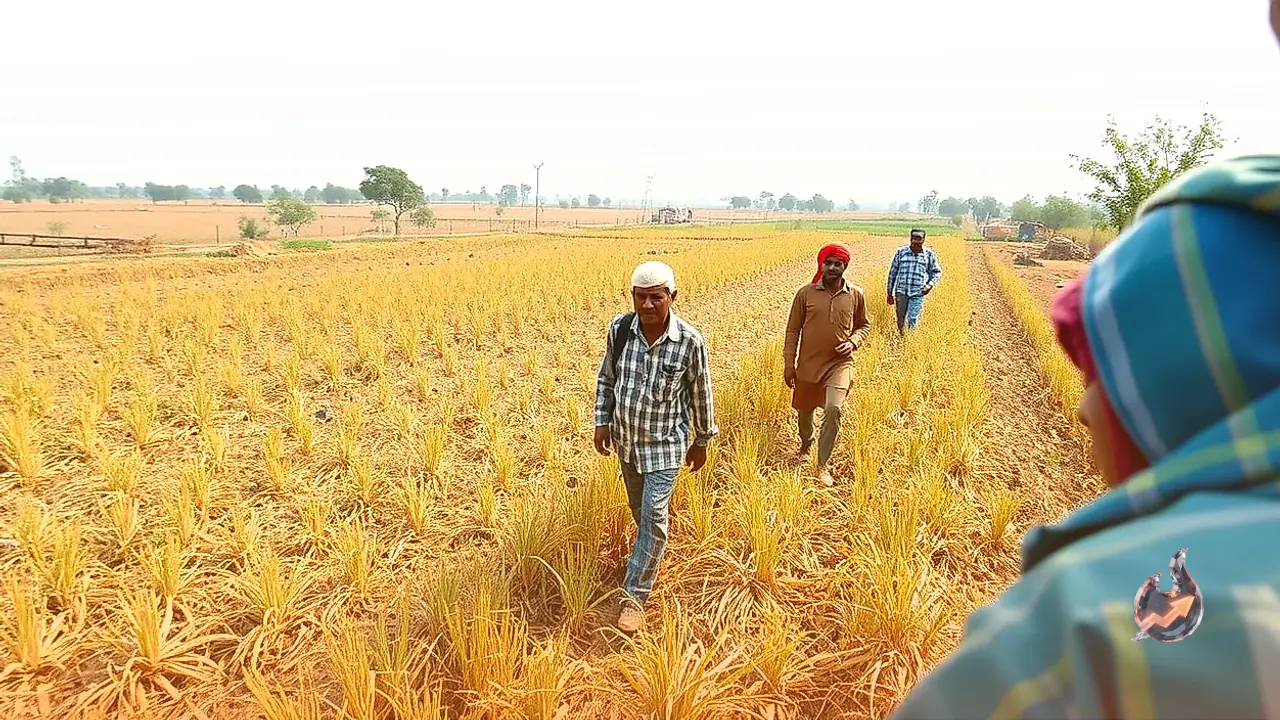















With the withdrawal of the monsoon season, concerns surrounding emerging drought conditions and water stress have begun to surface across rural Rajasthan. Along with the receding water reserves in agricultural fields, worries are mounting over rural livelihoods, fodder availability for cattle, and drinking water supplies in remote villages. Addressing these developing circumstances, former Chief Minister Ashok Gehlot has advised the state administration to formulate and activate a comprehensive contingency plan well before the situation escalates into an acute crisis.
Speaking in Jaipur, the former Chief Minister stressed that the government must address the prevailing drought scenario with utmost urgency. He stated that the challenge is not confined merely to deficient rainfall or crop damage. A lack of agricultural activity directly eliminates daily field labor, exposing landless rural workers to severe unemployment. Crop failure sharply reduces farm incomes, a shortage of fodder threatens livestock survival, and the requirement for potable water surges in parched settlements.
Securing Rural Employment and Daily Livelihoods
Ashok Gehlot emphasized that whenever drought conditions develop, the most immediate hardship falls upon families who depend solely on farming activities and daily wage labor. If agricultural fields offer no work, how rural laborers will sustain their households is a question the administration must resolve in advance.
He pointed out that earlier systems guaranteed a legal right to rural employment, under which work had to be provided upon demand, with provisions for financial compensation if the state failed to allocate tasks. According to the former Chief Minister, providing employment opportunities has now become largely contingent on state government decisions. Consequently, he advised authorities to initiate immediate preparations for opening public relief works across vulnerable villages to cushion vulnerable workers against severe economic distress.
Advance Logistics for Potable Water and Animal Fodder
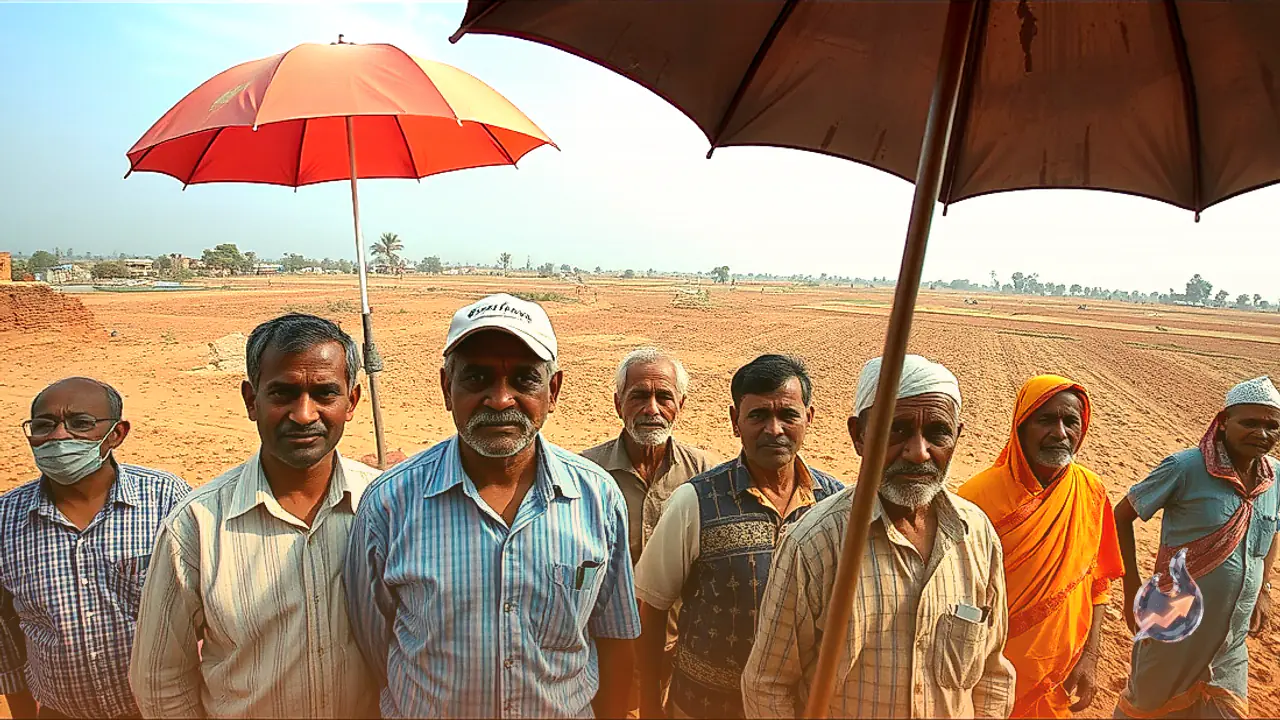
Highlighting the wider fallout of drought, Ashok Gehlot observed that the impact of dry spells is never limited to human populations alone. When local ponds, wells, and community water points dry up in rural habitations and hamlets, cattle and livestock face dire survival challenges. Therefore, the state must make proactive arrangements for drinking water supplies to serve both residents and animals, alongside setting up streamlined fodder management networks.
Reflecting on historical experiences, he noted that Rajasthan has faced severe famines across past decades. However, the steady expansion of tube wells, hand pumps, and regular employment schemes over the years lessened the visible intensity of famine for a long time. As a result, an entire generation may have grown unfamiliar with the true devastation that severe droughts historically caused. Gehlot warned that waiting for famine-like conditions to become fully visible could prove extremely costly for the state.
Administrative Delays and the Ground Realities in Barmer
Critiquing the operational speed of the current administrative machinery, Ashok Gehlot cited the recent administrative handling of assistance in Barmer. He pointed out that while the Chief Minister had publicly announced relief support for Barmer, the formal directives failed to reach the district collector even three days after the announcement.
Gehlot questioned how the administration could effectively manage an impending drought if orders take several days to travel from the highest office down to field administrative units. He emphasized that the crux of the issue lies not in making public pronouncements, but in closing the operational gap between an announcement and the actual delivery of relief on the ground. For an affected rural family, what truly matters is the exact day a water tanker arrives, when fodder becomes accessible, when labor wages are disbursed, and when monetary compensation physically reaches their hands.
Call for Farm Loan Waivers and Financial Stabilization
Taking up the economic burdens carried by the agrarian community, Ashok Gehlot urged the government to implement farm loan waivers to support cultivators facing drought. Referring to his own tenure as Chief Minister, he noted that his administration had waived farm loans worth 14,000 crore rupees to provide economic relief to farmers.
He explained that the damage inflicted by drought extends beyond a single failed harvest. As crop yields disappear, farm households suffer an income collapse while facing relentless obligations to repay institutional and private loans, all while struggling to finance inputs for the subsequent planting cycle. Gehlot stressed that providing immediate financial relief alongside broader debt mitigation is essential to stabilize the rural agricultural economy.
Field Inspections and Monitoring by Political Cadres
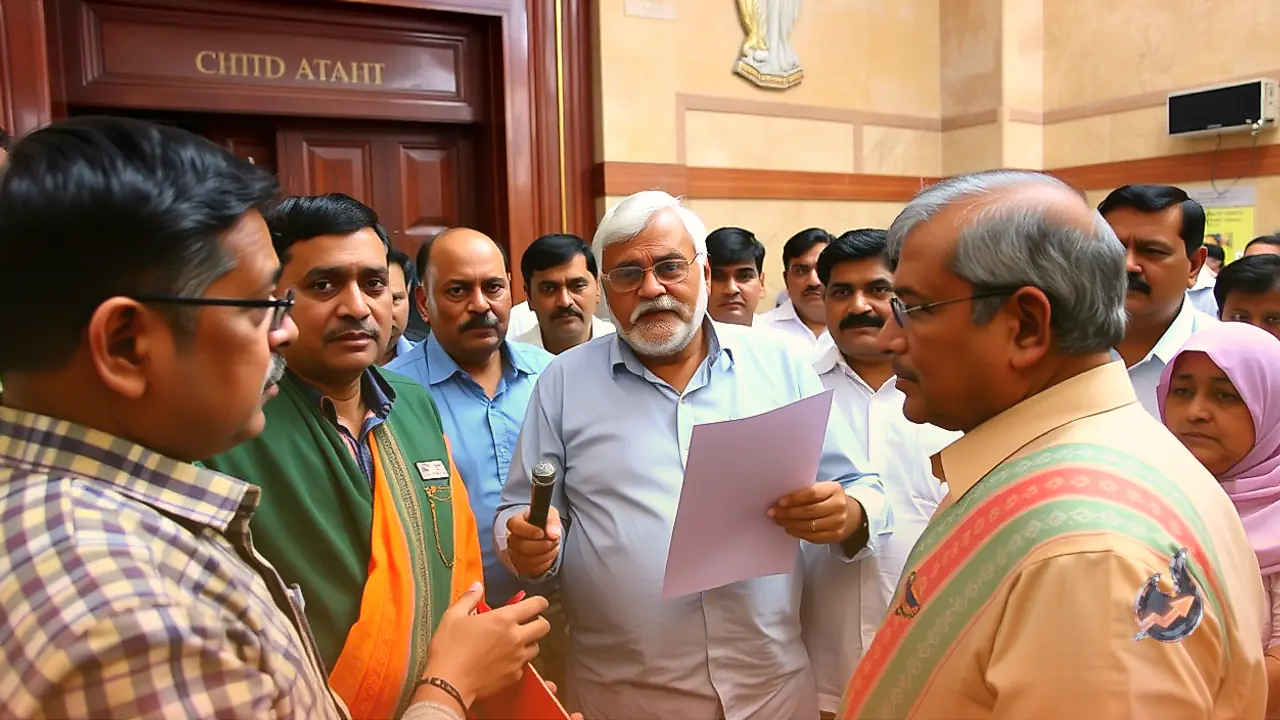
The former Chief Minister announced that Congress leaders across block, district, and state units will conduct field visits across drought-prone pockets. Party workers will inspect whether the administration has commenced relief tasks on the ground, whether impoverished families are receiving timely assistance, whether wage disbursements are being credited, and whether adequate drinking water and fodder supplies exist in affected habitations.
Gehlot noted that the party holds long-standing organizational experience in famine relief operations, recalling that district committees were historically mobilized as drought relief units and the state committee functioned as a central famine relief coordination body. He urged the government to determine without delay where labor employment works should be sanctioned, where fodder supplies must be directed, which villages require alternative water arrangements, and how struggling farmers will receive monetary assistance. Gehlot reiterated that proactive preparation at the very onset of drought indicators is far more effective than launching reactive measures after devastation takes hold.