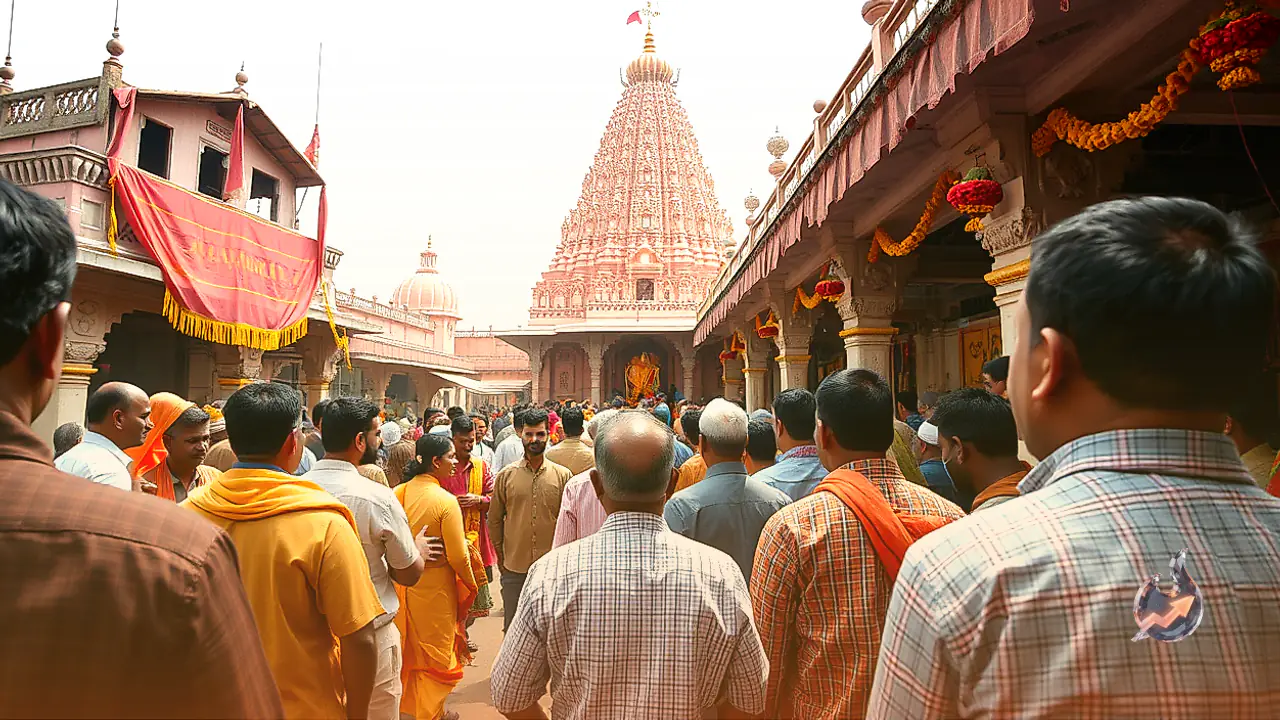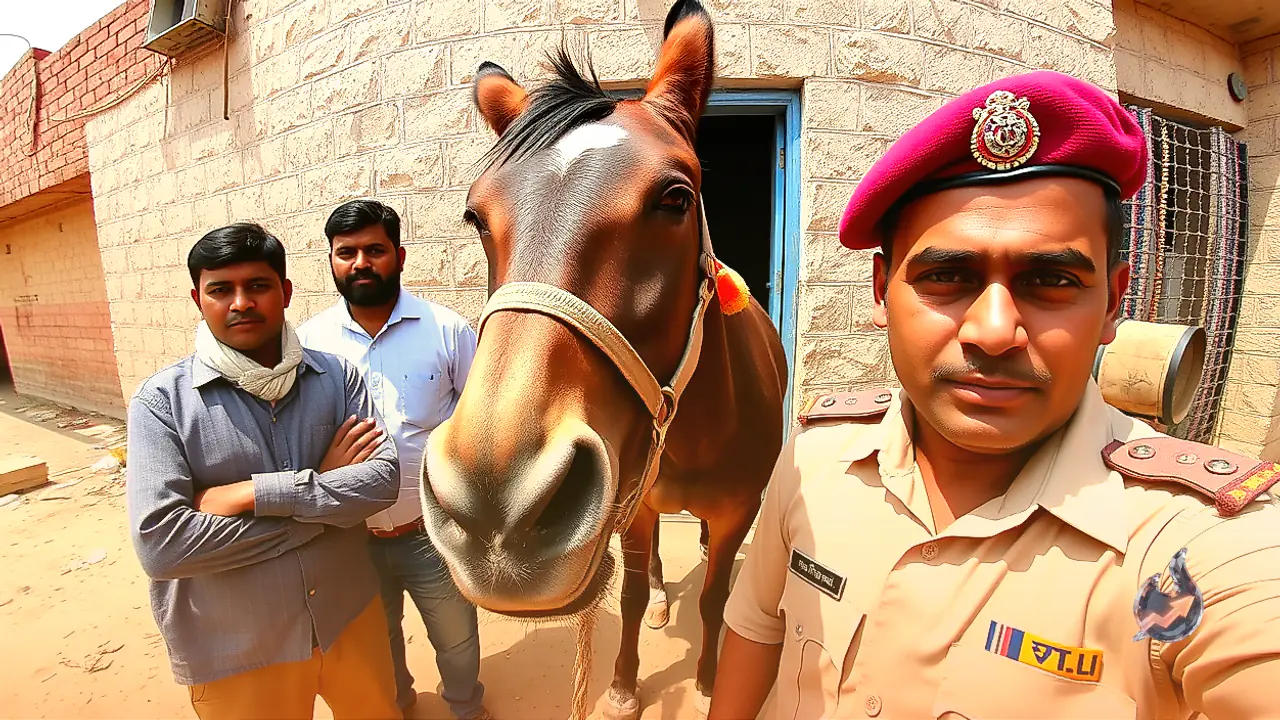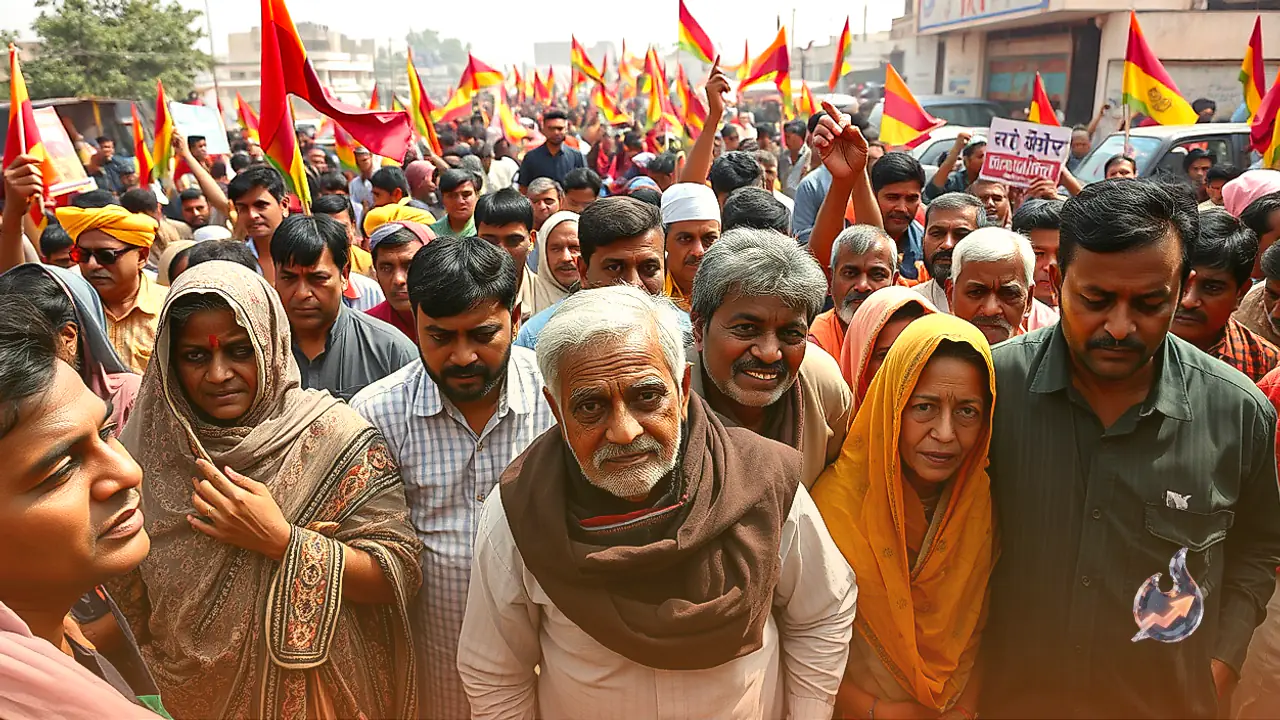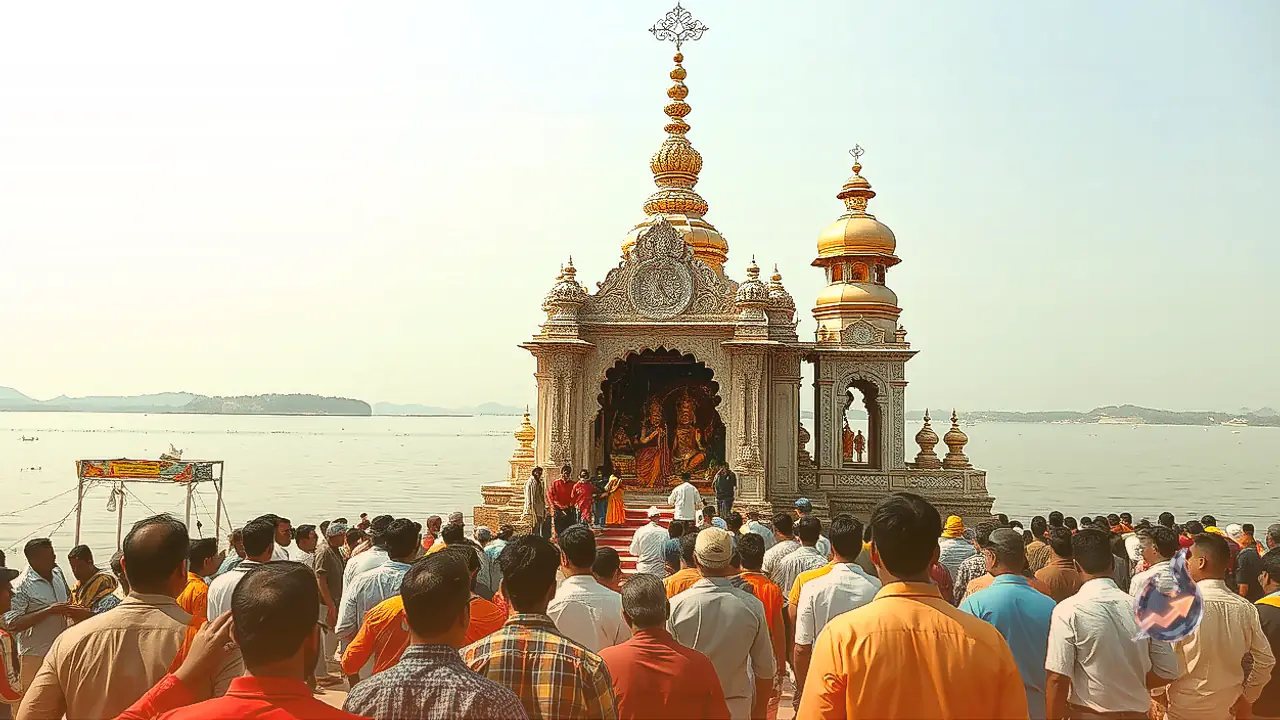















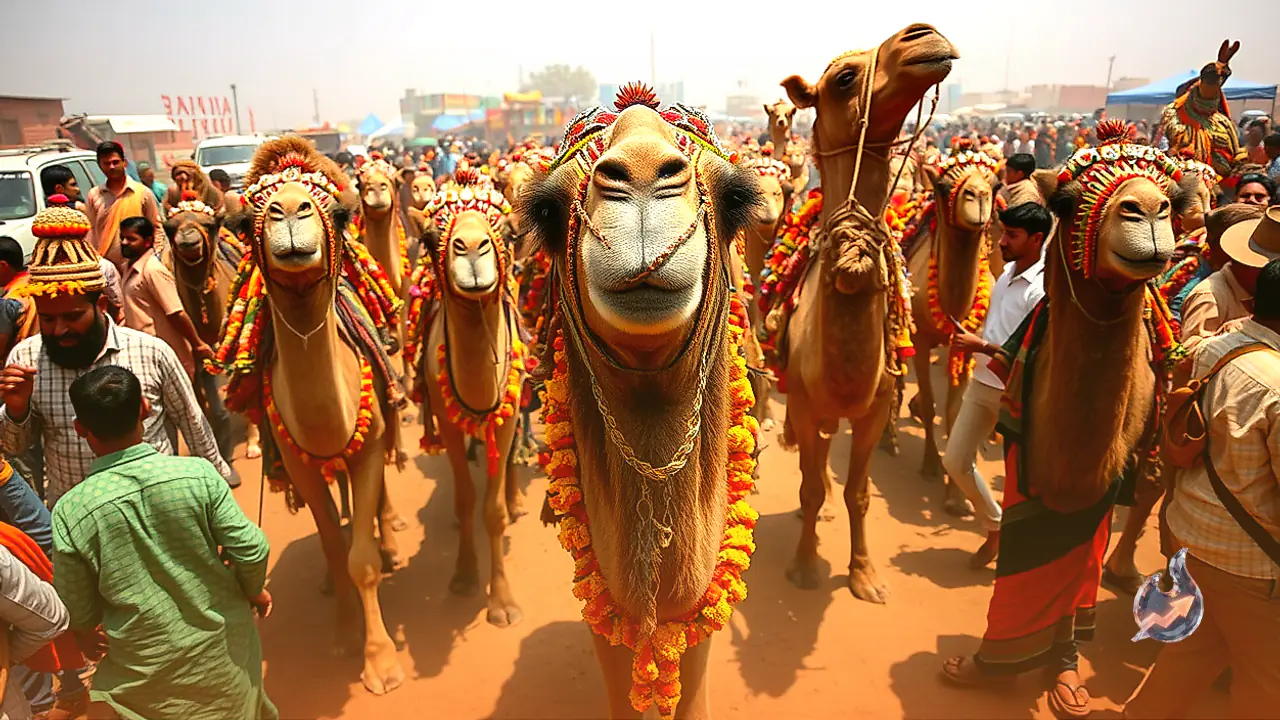

The historical and cultural landscape of Shekhawati in Rajasthan is currently immersed in vibrant rustic traditions as the annual livestock fair in Beri village of Sikar district operates in full swing. Far from functioning merely as a conventional trading post for cattle and working animals, this gathering has emerged as an expansive cultural arena celebrating generations of indigenous folk performing arts. Crowds gather in large numbers to witness decorated camels, often referred to as ships of the desert, alongside fine-bred mares gracefully dancing in sync with melodious Rajasthani folk songs. Draped in handcrafted ornaments, brass bells, and bright textiles, the rhythmic movements of these animals continue to leave spectators astonished, attracting visitors from across Rajasthan and several adjoining states.
Rhythmic Steps Guided by Traditional Chang and Dholak Beats
The central highlight of the Beri fair remains the highly competitive camel and mare dancing contest. Livestock keepers from diverse regions have arrived with their rigorously trained animals to participate in this celebrated arena. As the resonance of traditional chang, beating dholak drums, and folk compositions fills the air through loudspeakers, these massive animals take coordinated steps following subtle gestures from their trainers. Moving gracefully, the camels nod their necks to the tempo, rotate forward and backward, and pull off surprising acrobatic stunts on the open ground. The precise understanding between the pastoralists and their animals is executed with such finesse that the entire showground repeatedly breaks into thunderous applause, cheers, and appreciative whistles.
Moti, Gajraj, and a Lineup of Star Performers
Multiple well-known camels have turned into prime attractions at this edition of the competition. Among the most popular names are Moti and Gajraj, two camels widely recognized across the region for their distinct dance moves and stage presence. They are joined in the arena by a roster of skilled animals, including Hansraj, Nanya, Raja, Hans, Toofan, Tiger, and Baadal, all demonstrating remarkable discipline and agility. As twilight settles over the dusty fairgrounds each evening, the official stunt and dance showcase begins, allowing these well-drilled animals to present sequential acts that keep audiences thoroughly engaged throughout the evening.
Months of Rigorous Training Behind Every Performance
Animal handlers emphasize that transforming a camel or mare into a stage-ready dancer is neither simple nor instantaneous. Behind these seamless displays lie months of unyielding discipline, daily practice routines, and profound patience from the handlers. Trainers dedicate hours each day to teaching their animals how to interpret subtle voice modulations, physical cues, and precise hand gestures. It is this extensive and repetitive conditioning that enables these animals to step into a crowded, noisy fairground and execute complex steps to loud music without hesitation or anxiety, maintaining perfect synchronization from start to finish.
Vibrant Livestock Trade Complemented by Evening Folk Galas
Alongside the theatrical dance battles, brisk commercial trading of camels, horses, and various other cattle breeds continues uninterrupted across the grounds. Visiting traders and rural pastoralists spend daylight hours evaluating livestock and negotiating purchase prices under makeshift stalls. Once the day's bustling trade winds down, the venue transitions into a spirited cultural gathering. Late-night musical stages come alive with regional performers whose traditional ballads, folk instruments, and rustic melodies hold attendees spellbound, providing a fitting conclusion to each day of the fair.