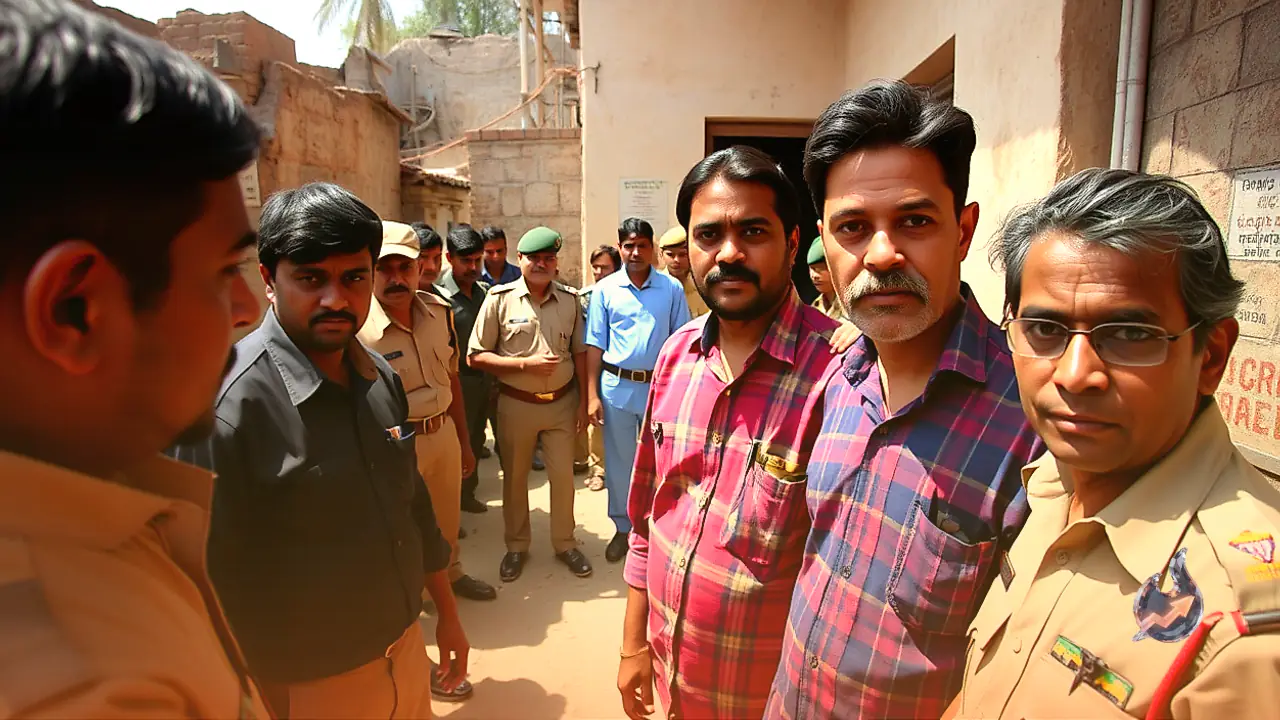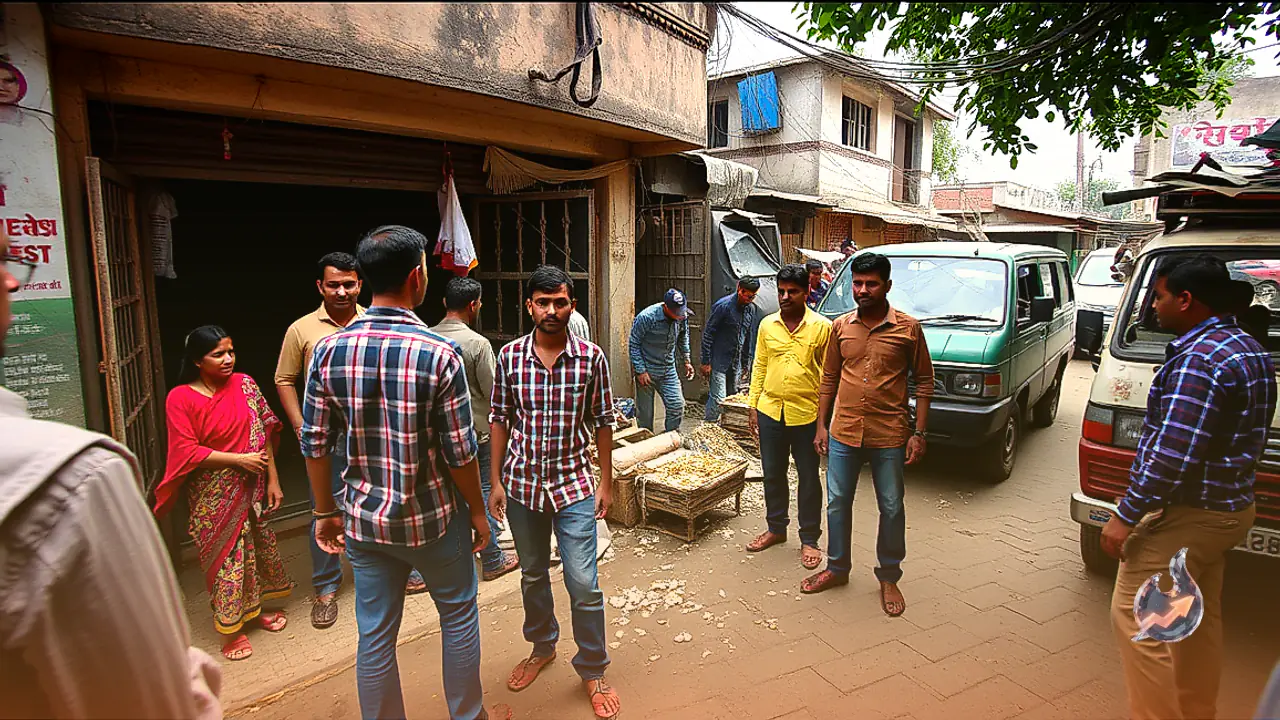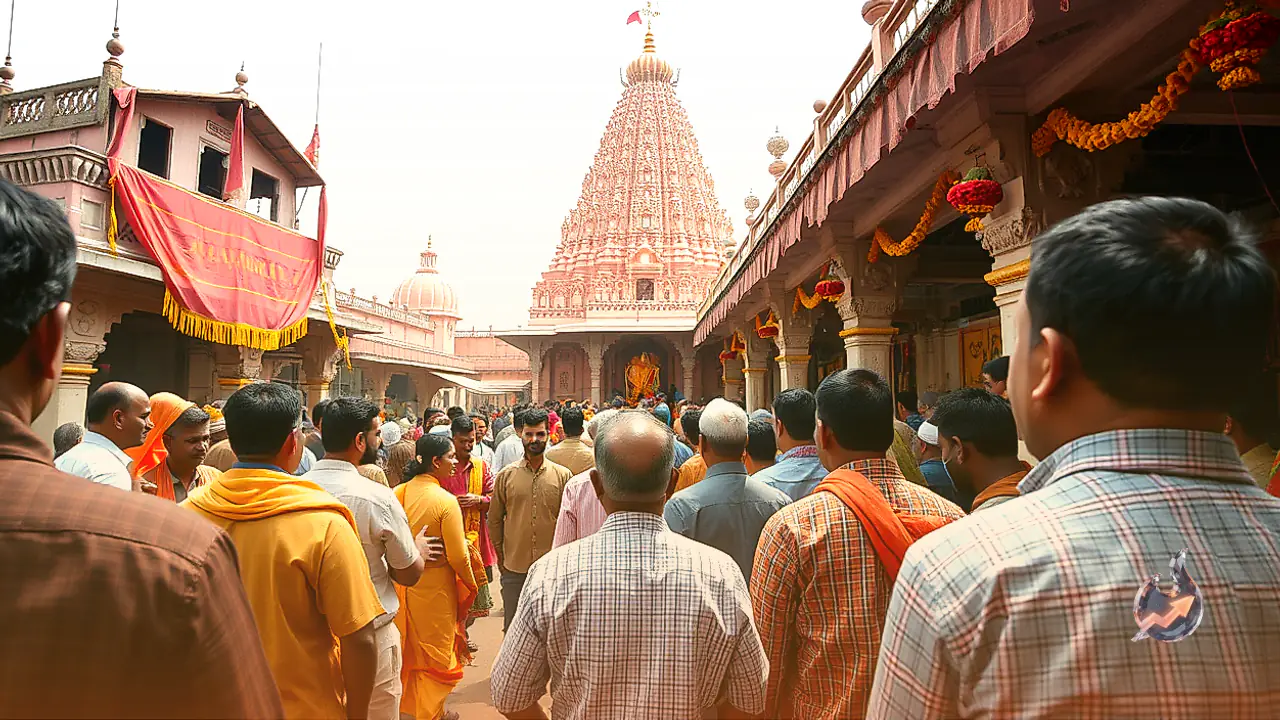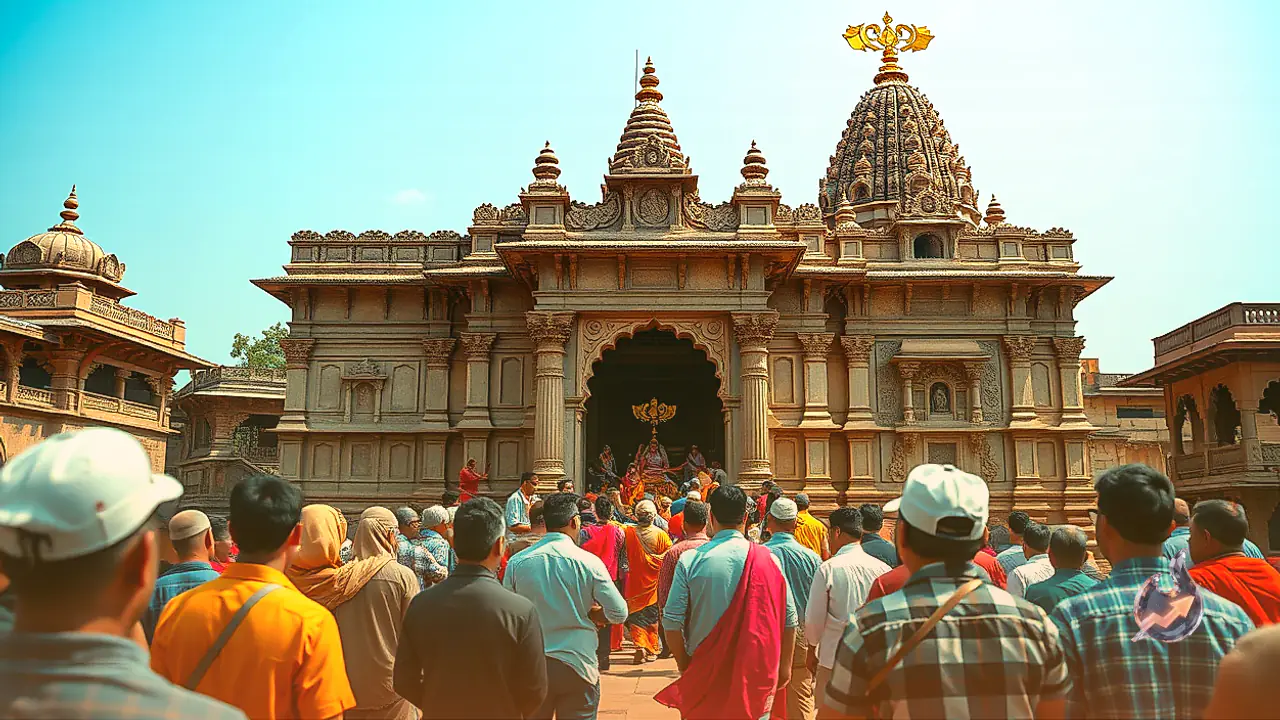


















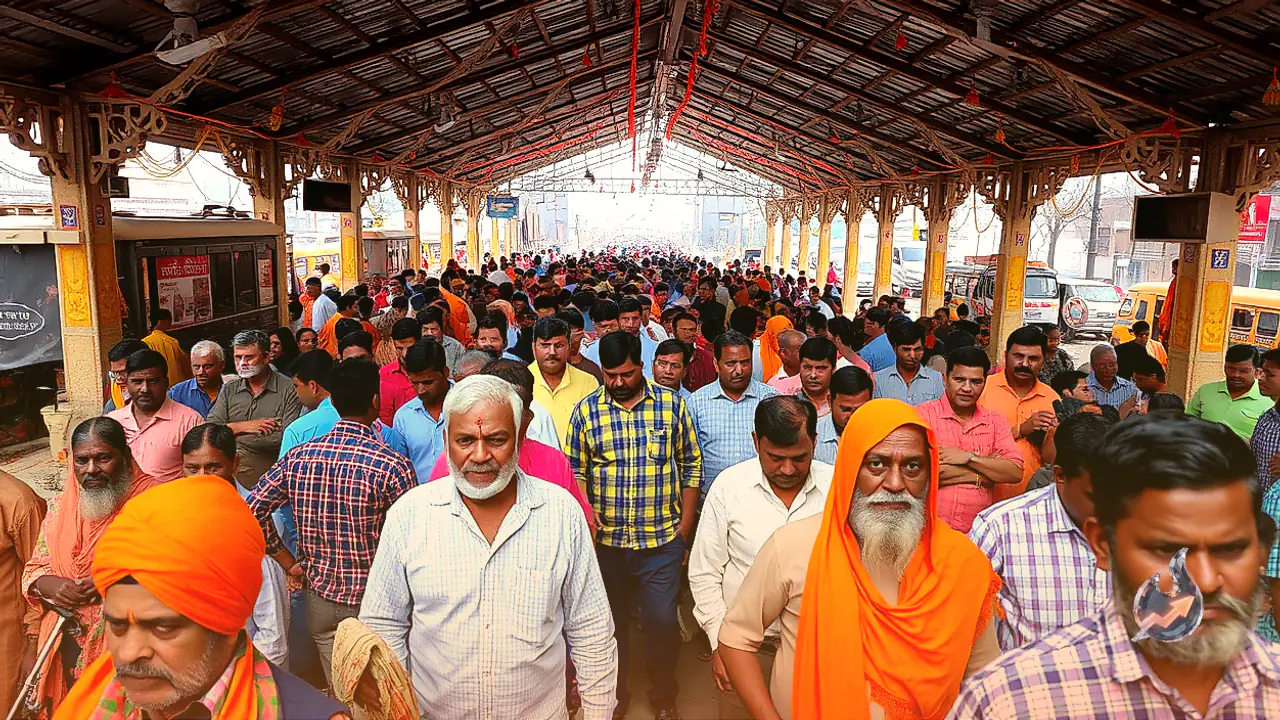

Railway authorities in Rajasthan have initiated an advanced surveillance upgrade at Ringas railway station in Sikar to handle the massive rush of devotees heading towards Khatu Shyamji. During festive occasions including Diwali, Chhath Puja, and the world-renowned Khatu Shyamji fair, passenger footfall at Ringas spikes sharply. To keep this surge orderly and completely safe, the railway administration has moved beyond depending exclusively on physical monitoring by personnel. A high-tech surveillance setup driven by artificial intelligence is currently being deployed across the station premises, capable of calculating headcounts in real time and automatically generating alarms when crowd densities cross safety thresholds.
Instant Digital Alerts for Railway Protection Force
The primary advantage of this digital surveillance framework is its capability to prevent crowd bottlenecks before they escalate into dangerous situations. Whenever the number of passengers in any designated section of the station exceeds safe carrying limits, the integrated software analyses the density and immediately issues an alert. This notification transmits straight to the Railway Protection Force (RPF) control room. Security personnel receive precise data instantly without waiting for on-ground staff to spot the congestion. With live updates at hand, RPF officers can arrive at the scene within minutes, streamline passenger movement, and prevent platform gridlocks. Looking at the heavy festive passenger rush, the Jaipur railway division is scaling up this automated setup across multiple critical stations under its jurisdiction.
Ringas Capacity Expands to 20 Cameras While Jaipur Gets 30
Ringas station had previously tested this setup with 8 cameras connected to intelligent analysis software. Given the upcoming festivals and major religious gatherings, the authorities are now expanding the setup to 20 AI-enabled cameras at Ringas. Alongside this upgrade, 30 cameras at Jaipur railway station are also being integrated into the same AI framework. Unlike standard CCTV units that solely record raw visual feeds, these devices utilize specialized software that actively calculates individual heads in designated camera frames. Senior Divisional Security Commissioner of Jaipur Division, Aukar Singh, stated that maximum capacity thresholds will be pre-configured for every specific zone of the station, including platforms, staircases, and entrance points.
Strategic Deployment Across Underground Subway and Entry Gates
Senior Divisional Security Commissioner Aukar Singh explained that automated, real-time awareness gives security teams a critical tactical edge. Instead of relying on manual spot-checks, the control room receives immediate notification of sudden bottlenecks. RPF personnel can be instantly dispatched to reinforce the affected point or divert passenger traffic toward less congested pathways and secondary exits. At Ringas, these specialized lenses are being placed across platforms, entry and exit portals, footbridges, and known transit choke points. Furthermore, the underground subway connecting platform number two to platform number one has been brought under this high-tech surveillance umbrella to ensure subterranean footpaths remain clear and hazard-free.
Smoother Transit for Millions of Khatu Devotees
Throughout the festive period and the large-scale Khatu congregation, millions of worshippers from all parts of India arrive at Ringas by train before proceeding by road to the shrine of Khatu Shyamji. When multiple passenger services arrive within short windows, sudden surges test the station's physical capacity to its limits. Automated digital monitoring allows authorities to track incoming volumes instantaneously and preempt potential safety mishaps. Following positive outcomes from the initial 8 upgraded cameras last year, scaling the network to 20 cameras provides a sturdier safety net, ensuring a smoother and safer transit experience for every pilgrim passing through Ringas.