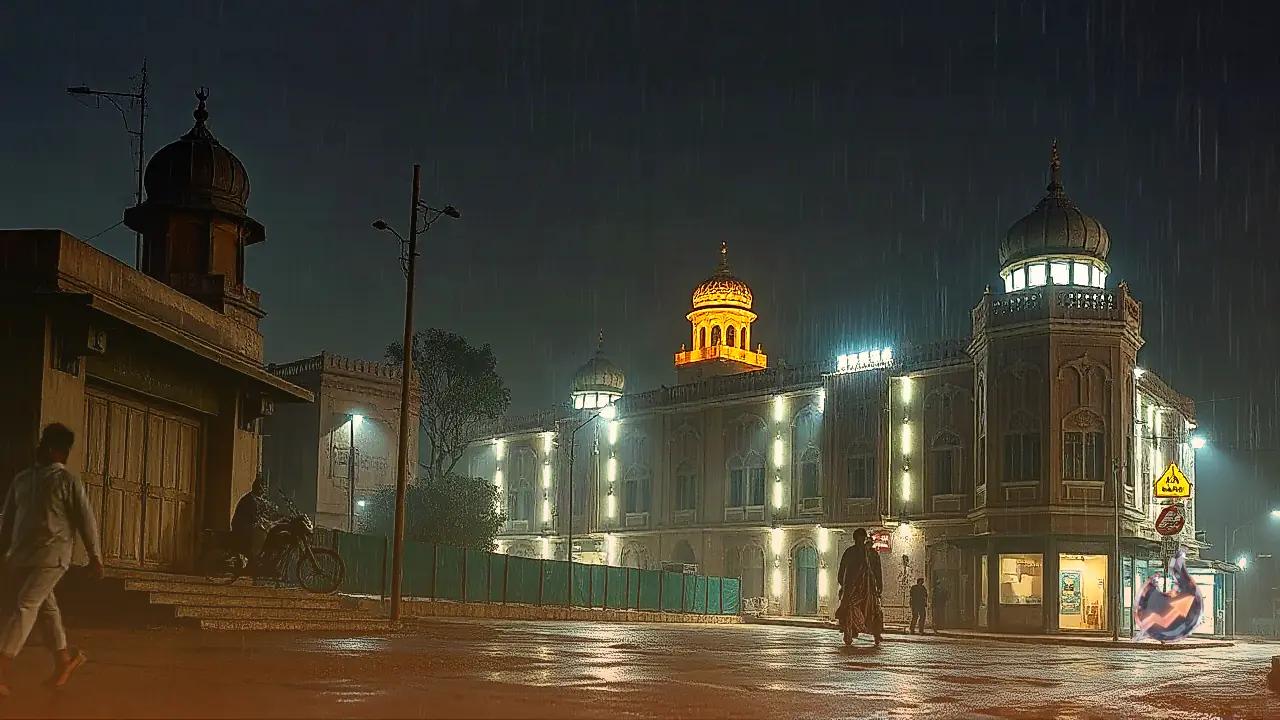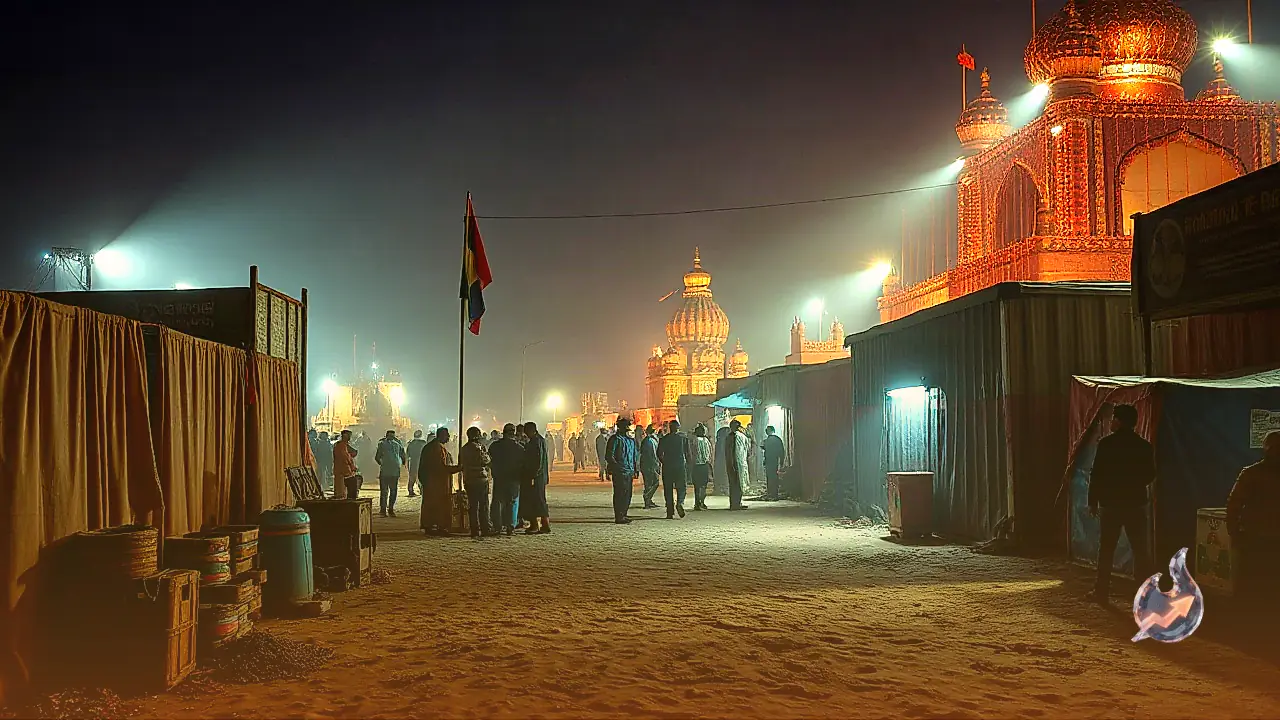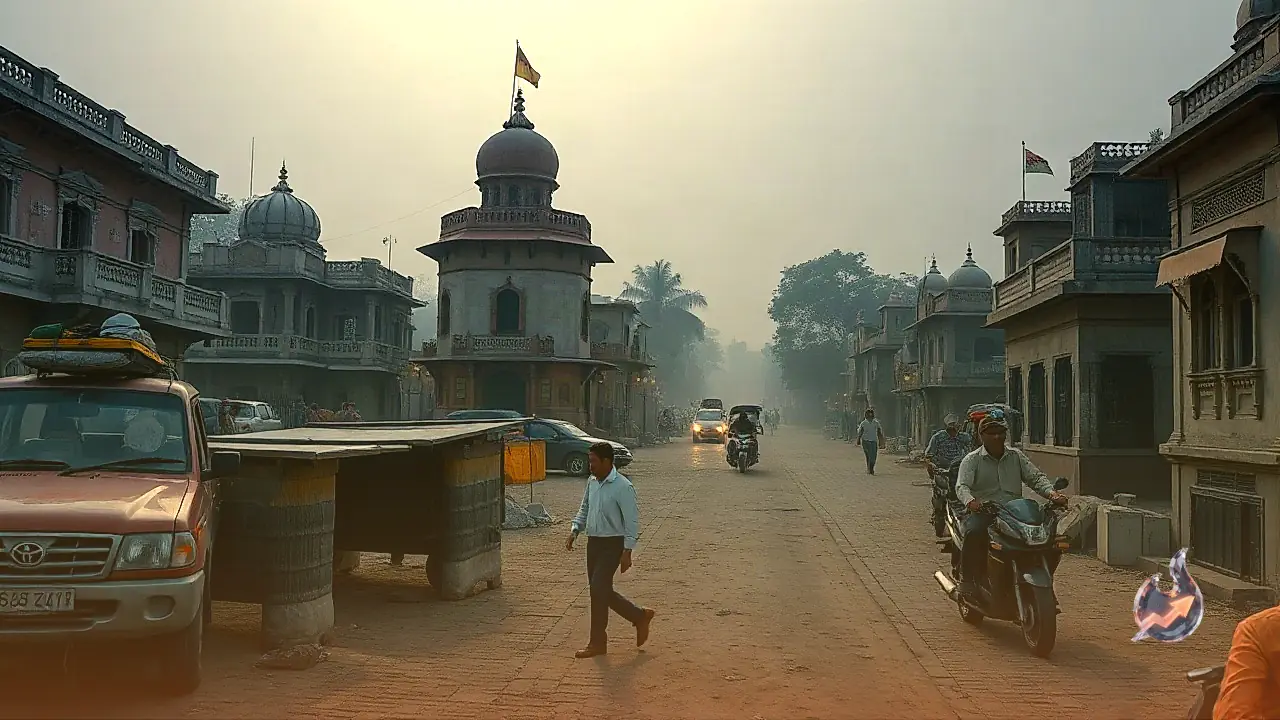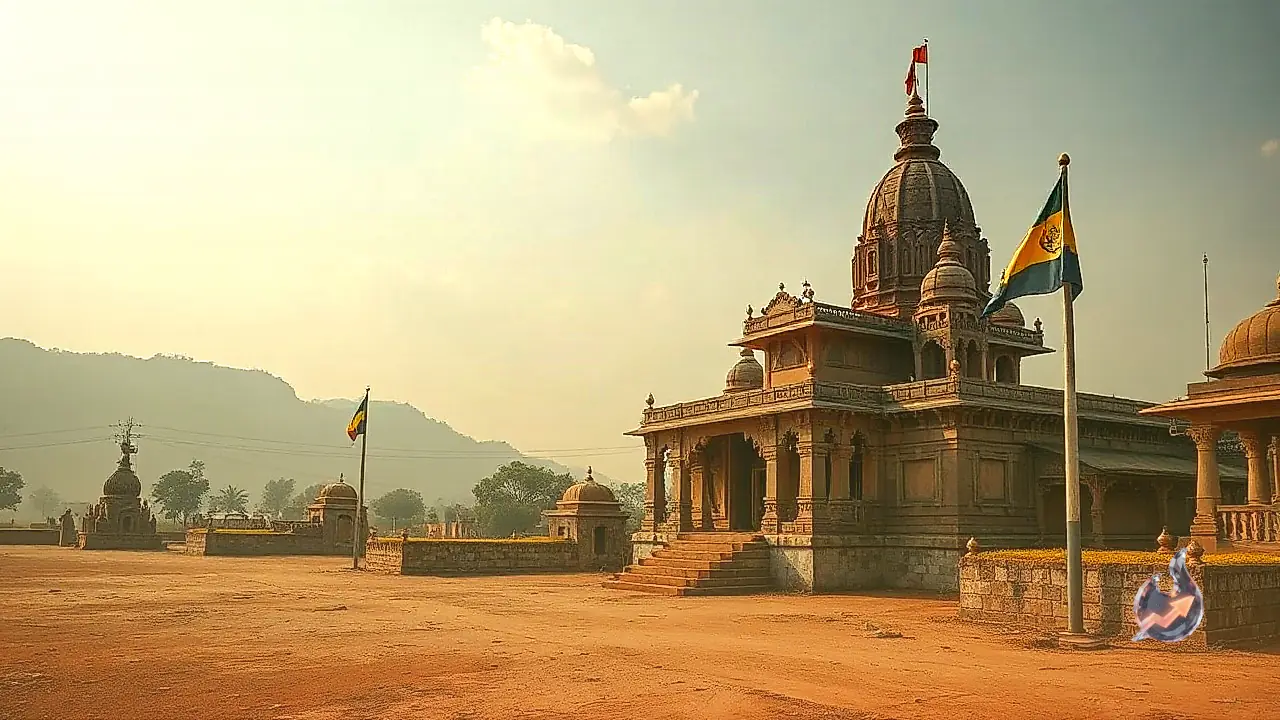

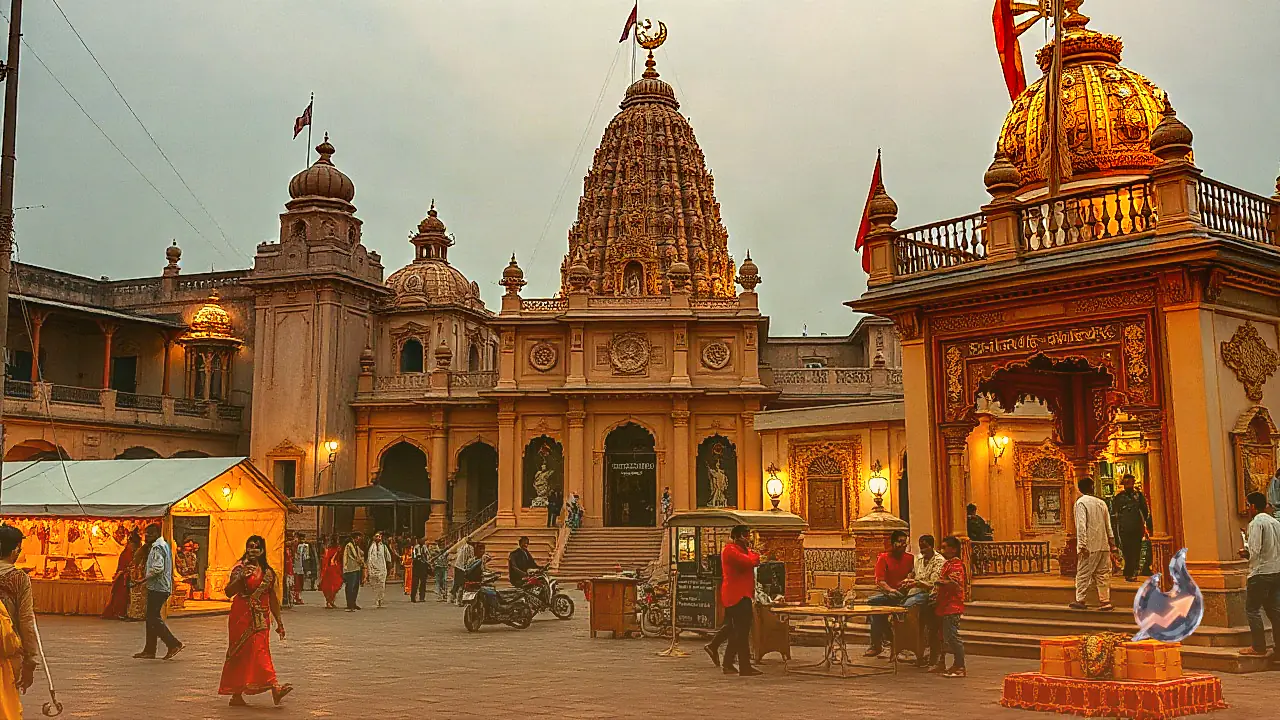

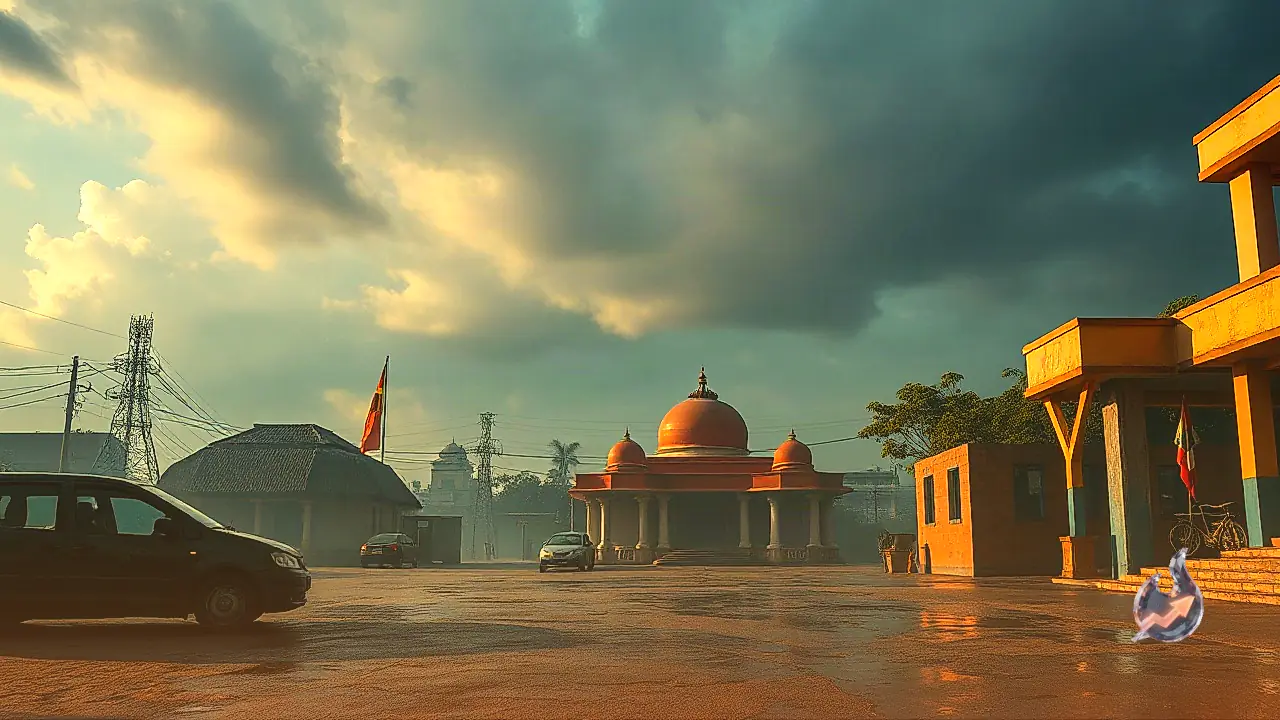
















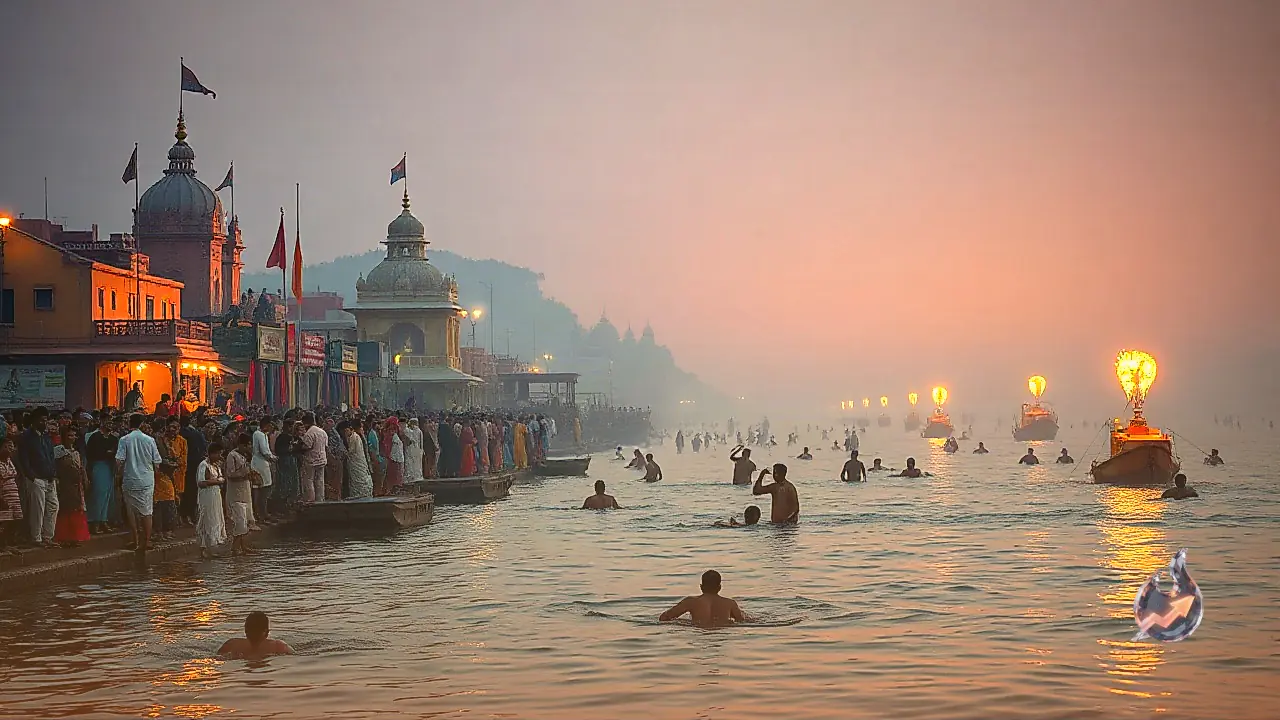

The Indian subcontinent has always been home to a highly rich and ancient heritage of fairs and festivals. These traditional events serve as much more than mere entertainment, acting as vital channels that carry deep-rooted faith, religious beliefs, and regional culture from one generation to the next. In this long line of historical celebrations, the annual Dev Chhath Mela organized in the Dholpur district of Rajasthan holds a very distinct and significant position. Held on the banks of the sacred Machkund Lake near Dholpur city, this festival keeps alive legends that are thousands of years old. On the auspicious day of Dev Chhath, the ghats of this holy water body witness a massive gathering of pilgrims, enveloping the entire area in vibrant colors of devotion, faith, and spiritual joy.
A Meeting Point for Devotees from Multiple States
According to historian Arvind Sharma, the appeal of this unique fair is not limited to the local population. Thousands of devotees travel from various parts of Rajasthan, as well as from neighboring states like Uttar Pradesh, Madhya Pradesh, Haryana, and the national capital, Delhi, to take part in this grand religious gathering. Drawn by the sanctity of Machkund, these pilgrims pay their respects to King Machkund and offer prayers along the banks of the lake, seeking peace, happiness, and prosperity for their families and loved ones.
The Legend of Dwapar Yuga: Krishna’s Strategy and the Demise of Kalyavan
The history of the Dev Chhath Mela is deeply connected to an interesting story from the Dwapar Yuga involving Lord Krishna and King Machkund. According to sacred scriptures and regional lore, after Lord Krishna defeated the tyrant Kansa, Kansa’s father-in-law, Jarasandha, launched multiple fierce attacks on Mathura. In his attempts to conquer the city, Jarasandha allied with Kalyavan, a highly powerful and seemingly invincible demon. To overcome the threat posed by Kalyavan, Lord Krishna formulated a clever strategy. He retreated from the battlefield, earning him the name Ranchhod, and lured the demon away from Mathura, leading him all the way to a quiet cave in the Machkund area of Dholpur.
Inside this cave, King Machkund was resting in a deep, undisturbed sleep. Upon entering the cave, Lord Krishna placed his yellow robe, known as the Pitambari, over the sleeping king and hid nearby. When Kalyavan arrived and saw the yellow robe, he mistook the sleeping king for Lord Krishna. Enraged, the demon aggressively pulled the robe away, waking King Machkund from his long slumber. As soon as King Machkund opened his eyes, the intense fire of his gaze, a powerful energy resulting from his divine boons, immediately reduced Kalyavan to ashes on the spot.
Purification with the Sacred Waters of 68 Pilgrimage Sites
Following the destruction of Kalyavan, local traditions state that King Machkund organized a magnificent Yajna at this very location to mark the purification of the site. It is believed that Lord Krishna himself attended this grand ceremony. To ensure the sanctity of the ritual, holy waters from 68 of the most revered pilgrimage sites across ancient India were brought to Dholpur. This event marked the beginning of the spiritual tradition of the Dev Chhath Mela. Today, saints and common citizens alike continue to visit Machkund to take a purifying dip in its holy waters. The ritual bath is followed by traditional prayers and aarti, where people pray for the well-being of their households.
Royal Patronage and Modern Social Harmony
Historian Arvind Sharma notes that this historic fair enjoyed royal patronage during the era of the Dholpur princely state. In the past, the rulers of Dholpur placed great importance on the event, providing administrative and financial support to ensure its grand celebration. During those times, the fair was not only a center of religious activities but also served as a major marketplace for rural communities to fulfill their daily requirements and trade goods. In modern times, the scale of the fair has expanded significantly. People from all sections of society and different communities participate in the festivities with equal enthusiasm, making the Dev Chhath Mela a beautiful symbol of communal harmony, mutual brotherhood, and shared cultural heritage.
A Unique Custom for Newlywed Couples
One of the most distinct traditions associated with the Dev Chhath Mela involves rituals performed by newly married couples. Families that have recently celebrated a wedding make it a point to visit the sacred site during the fair. A large number of newlyweds, particularly from the bordering state of Madhya Pradesh, travel to Machkund along with their extended families. Upon arrival, family members perform traditional prayers using wheat flour and turmeric. Following the rituals, the wedding gear of the bride and groom, including the ceremonial headgear, kalangi, and sehra, are immersed in the holy waters of the lake. Women sing traditional marriage songs, wishing the young couple a happy, prosperous, and secure married life. This grand fair is thus a beautiful blending of faith, folklore, and centuries-old social traditions.