




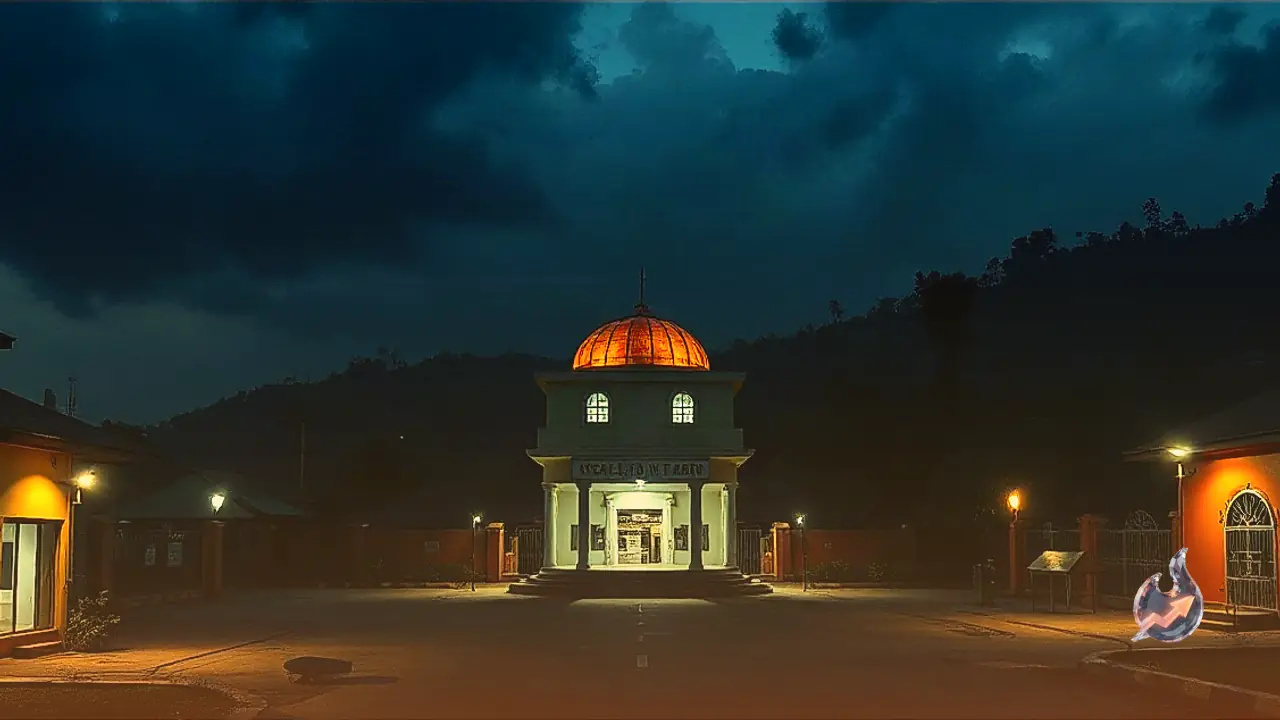














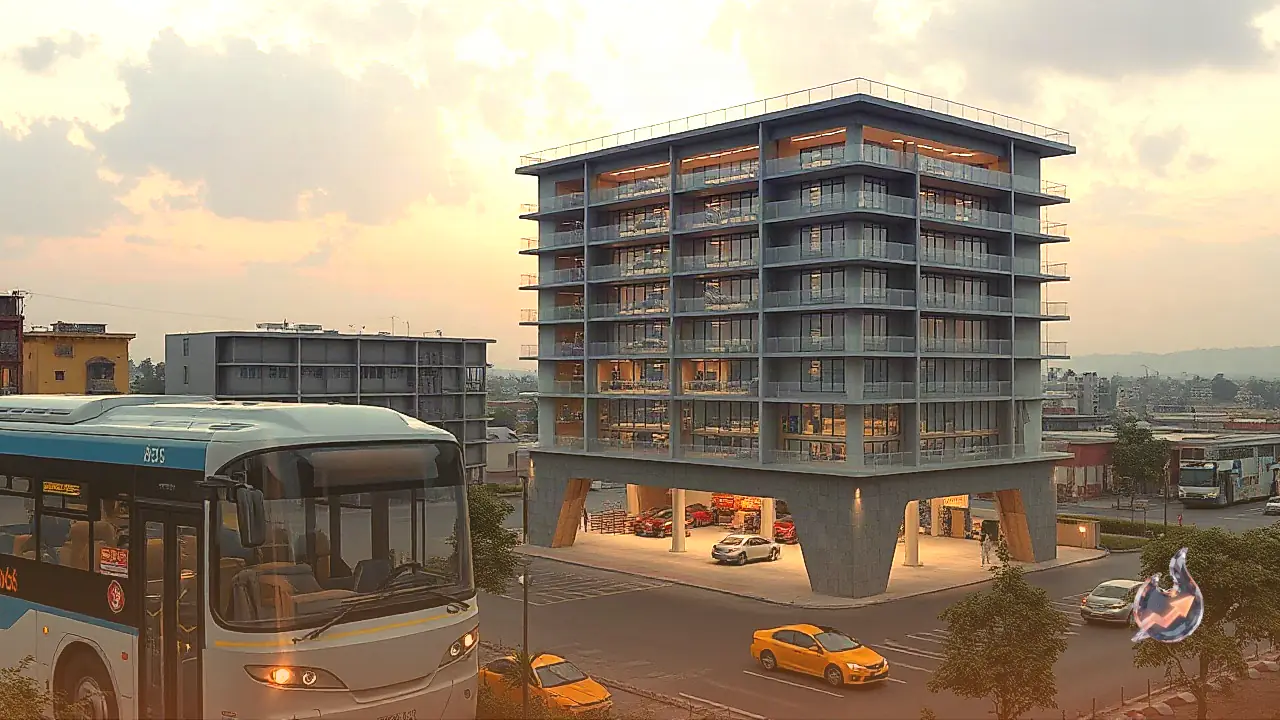

In a significant move to modernize and greenify the public transportation network in Rajasthan's capital, Jaipur is set to build its very first vertical, multi-story electric bus depot. Initiated as part of the Chief Minister's budget declaration for the fiscal year 2025-26, this pioneering project has been approved for Jaipur City Transport Services Limited, or JCTSL. The designated facility will be constructed in the revenue village of Pachar, situated close to Kalwar Road, on a reserved plot of 10,000 square meters bearing Khasra No. 1455. Official approvals have been secured for this layout, paving the way for a more robust electric fleet in the city. The decision to opt for a vertical, multi-tiered structure instead of a conventional spread-out layout represents a major evolutionary leap in the state's urban planning and spatial efficiency.
The Process of Selecting Vertical Design and Allocating Land
The journey toward selecting this vertical design and finalizing the land allotment involved extensive planning and negotiations. Originally, JCTSL had requested a sprawling 20,000 square meters of land to accommodate the massive requirements of its growing electric bus fleet. This initial request aimed to secure ample space for bus parking, daily operations, maintenance workshops, and high-capacity charging stations. In response to this demand, zone-level planning committees initially proposed a compromised allotment of 12,300 square meters. However, during a high-level committee meeting where land scarcity and future urban expansion were heavily discussed, the conversation pivoted toward exploring a vertical architecture. To maximize spatial efficiency and adapt to the future demands of a growing metropolis, the committee settled on a 10,000 square meter plot, which is exactly half of what JCTSL had originally sought.
Formal Agreement for a Multi-Story Transit Facility
To formalize this innovative design approach, the Managing Director of JCTSL sent an official written confirmation on June 29, 2026, expressing complete agreement to build a multi-story structure on the allocated plot. This critical step effectively cleared the path for the development of the project. By constructing a vertical facility within a tighter footprint, JCTSL can overcome the severe constraints of land availability while still incorporating state-of-the-art administrative and technical facilities. The layout will be strategically designed to ensure that various transit operations, ranging from parking to routine inspections, can be managed in a seamless and highly organized manner. While traditional transit depots are known for consuming massive tracts of horizontal land, this vertical facility will serve as a pioneering model for urban development joint efforts between the Jaipur Development Authority, or JDA, and transit authorities.
Advanced Amenities and Design Merits of the Vertical Depot
Within the walls of this multi-story e-bus depot, several critical services will be consolidated under a single roof. This includes secure parking decks for the electric fleet, rapid charging bays, and modern maintenance yards equipped for specialized electric vehicle diagnostics. With the fleet size of electric buses projected to grow exponentially, managing space within the facility is seen as the most critical challenge. The vertical design addresses this directly by creating a higher ratio of usable floor space relative to the physical ground footprint. This spatial efficiency ensures that if the city's electric bus count escalates in the future, JCTSL will not need to scramble for additional land; instead, the existing vertical infrastructure can scale up or be optimized to handle the extra load. The entire project is engineered to align with the unique technical demands of next-generation public transit systems.
Legal Perspectives, Zonal Plans, and Land Ownership
On the legal and administrative front, the land parcel at Khasra No. 1455 is technically situated within a rural zone according to the Jaipur Master Plan-2025 and the corresponding Zonal Development Plan. Under ordinary circumstances, constructing heavy transport infrastructure in rural zones requires special clearances. To resolve this, the Urban Development Department issued a specific directive to formally approve the land allotment for the e-bus depot. Despite the allotment, JDA will retain absolute and permanent ownership of the entire 10,000 square meters of land. This means that JCTSL is granted exclusive rights to build and operate the depot facility on the premises, while the ultimate land title remains securely in the hands of JDA.
Strengthening Rural-Urban Connectivity and Corridor Transit
Setting up the new e-bus depot in the Pachar and Kalwar Road corridor is poised to transform the socio-economic landscape of the suburban and rural areas surrounding Jaipur. The operationalization of this depot will dramatically enhance public transit linkages between outlying rural belts and the core city center. In particular, thousands of daily commuters from villages such as Jobner, Kalwar, Ramkutia, Machwa, Dharmpura, Hathoj, Govindpura, Bhambhori, and Dhankya will gain access to safe, reliable, and eco-friendly bus services. Many of these areas currently suffer from fragmented transportation options. With the depot coming online, bus frequencies will be optimized, especially along major corridors like the Kalwar-to-Chandpole route, bridging the gap between urban opportunities and rural residences.
Environmental Protection Objectives and Clean Energy Focus
Beyond improving passenger convenience, the transition to a larger electric fleet is a decisive step toward reducing Jaipur's urban air pollution and dependence on fossil fuels. Under the Central Government's ambitious PM e-Bus Scheme, cities across India are being incentivized to adopt green transit technologies. Unlike traditional diesel-powered buses, these electric units emit zero tailpipe emissions and run on clean power. Having a dedicated depot equipped with high-speed charging grids and quick-turnaround maintenance facilities will ensure that these buses remain operational with minimal downtime. The establishment of this vertical depot is thus a cornerstone in Jaipur's transition into a modern, low-carbon smart city.
Project Baseline Figures and Timeline Highlights
Looking at the broader numbers, the Central Government has allocated a total of 1,150 electric buses to the state of Rajasthan under the PM e-Bus Scheme. Out of this statewide allocation, the lion's share of 450 buses has been designated specifically for the capital city of Jaipur. The rollout of this initiative saw its first major operational milestone in August 2026, when the Chief Minister officially flagged off 16 brand-new e-buses to commence public service in the city. Now, with the securement of land in Pachar and the approval of a space-saving vertical design, Jaipur has taken another monumental step toward building the solid foundation required to support its clean, green, and modern transit future.