






















Jalore has established itself as a prominent hub for cumin cultivation, where the spice serves as a primary crop for a vast number of local farmers. However, a common challenge arises immediately after the harvest season when market prices in the mandis often drop below expectations. To avoid selling their hard-earned yield at low rates, farmers can opt to store their cumin safely for a few months and sell it when the market dynamics become more favorable. Storing cumin over a long duration is highly profitable but demands strict adherence to correct drying and storage protocols to prevent deterioration.
The Vital Process of Complete Drying
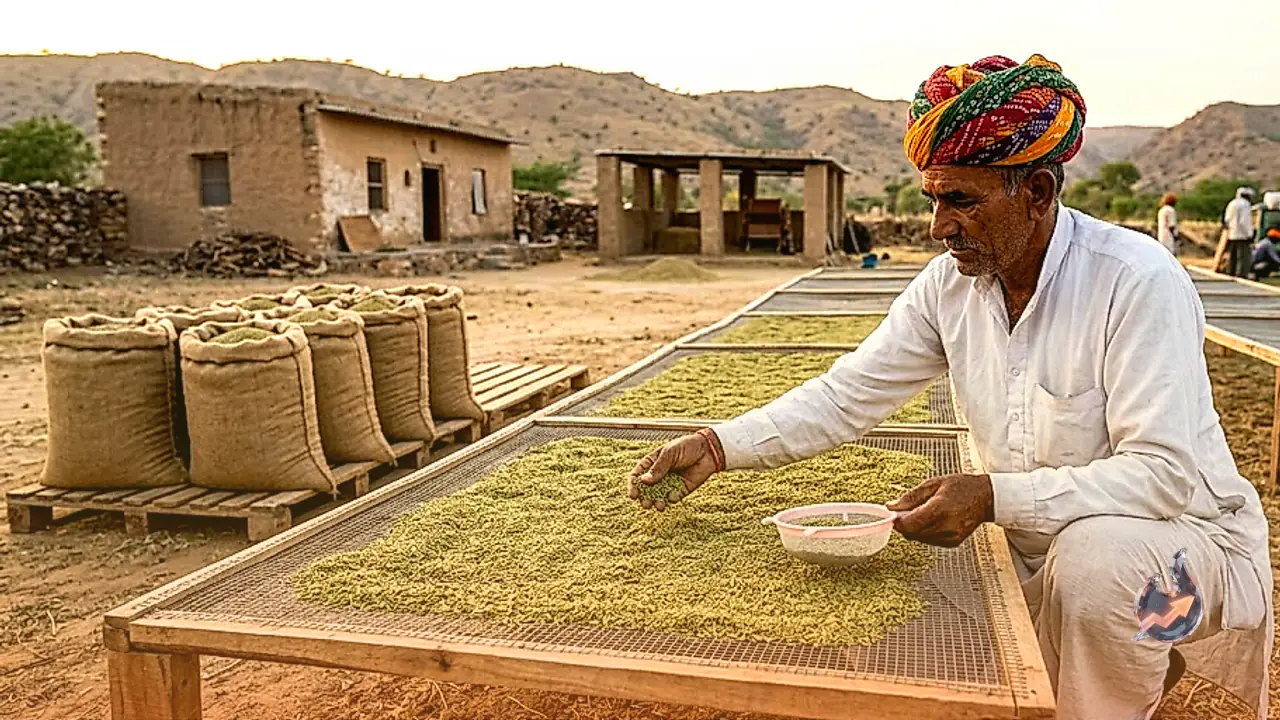
Once the harvesting and initial cleaning of cumin are completed, the primary focus must shift to moisture elimination. Even a tiny percentage of residual moisture can ruin the entire batch. Farmers must spread the cleaned cumin in a dry, well-ventilated space, away from direct soil exposure, to let it dry thoroughly. The drying process must continue until all internal moisture has evaporated. Storing partially dried cumin triggers the rapid growth of mold, leads to severe discoloration, and severely degrades the overall quality, making it unsellable in premium markets.
Selecting Safe and Sturdy Packaging
The choice of storage containers is critical to maintaining the quality of the spice over time. Cumin must be filled into clean, thoroughly dry, and robust bags or airtight containers. The packaging material must act as a barrier against external humidity, preventing ambient moisture from seeping inside. Before filling the sacks, farmers must inspect them individually to ensure they are free from dust, insect larvae, or leftover residues from previous crops. Using pristine packaging materials is a simple yet highly effective way to preserve the natural aroma and color of cumin.
Optimal Environmental Conditions in the Warehouse
Where and how the bags are placed inside the warehouse determines their shelf life. Storing cumin bags directly on concrete floors is highly discouraged because floor dampness can easily seep into the packaging. Instead, the bags should be stacked on wooden planks, plastic pallets, or elevated structures. The storage room must be clean, well-ventilated, and protected from extreme heat and dampness. During rainy spells or periods of high humidity, farmers must be extra vigilant and conduct regular checks of the storage area.
Defending Against Pests and Infestations
Insect attacks can destroy the market value of cumin within days. To prevent this, the storage facility must undergo deep cleaning before the new harvest arrives. Any old grain leftovers, agricultural waste, or previously infested materials must be completely removed from the vicinity. Regular inspections of the storage bags are necessary to look for signs of pests, webs, strange odors, or mold. If any single bag shows signs of infestation or damage, it must be isolated immediately to prevent the spread to the rest of the stock.
Strategic Stacking for Air Circulation
The physical arrangement of the bags inside the storage room plays a major role in preservation. Packing cumin bags directly against the walls must be avoided. Instead, leaving a distinct gap between the walls and the stacks ensures continuous air circulation and makes regular inspection much easier. Heavy vertical stacking should also be avoided, as excessive pressure can damage the delicate seeds. Continuous monitoring allows farmers to spot early signs of dampness or fungal growth and take quick corrective measures to save their produce.