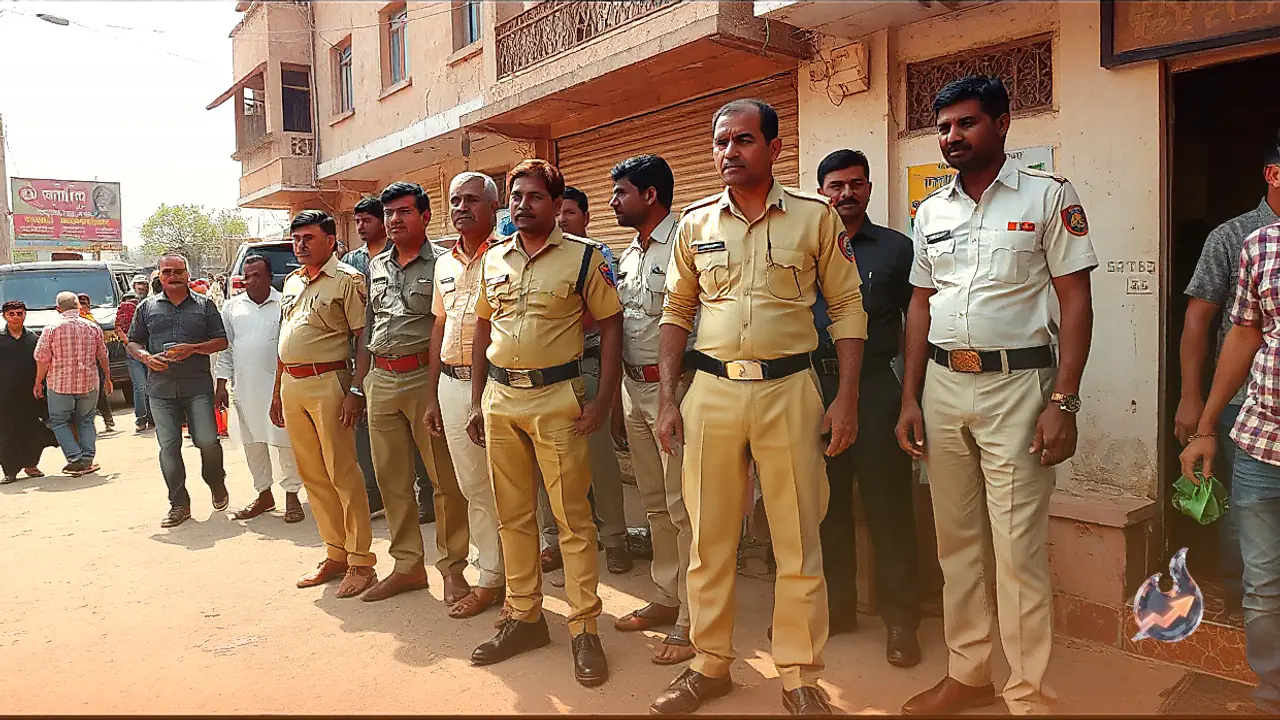

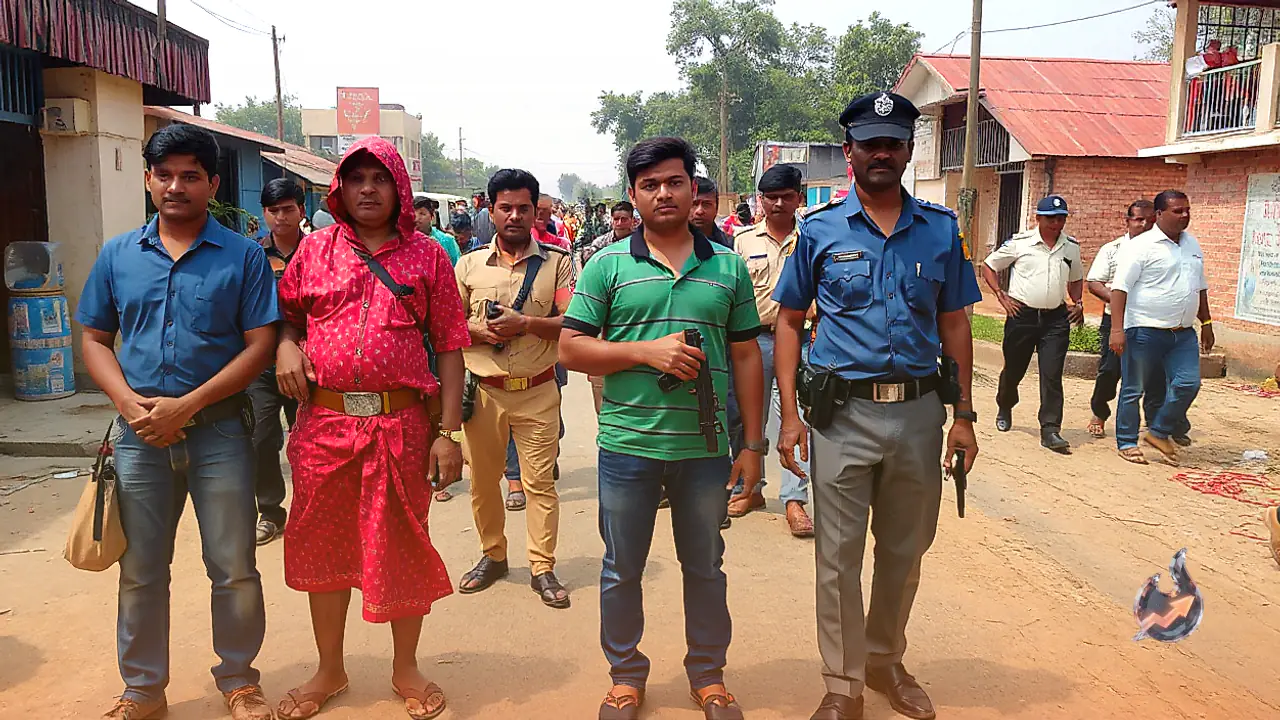















In the Surajgarh area of Jhunjhunu district, the activists of the Gauseva Samiti have emerged as a vital lifeline for stray, sick, and road-accident-injured cattle. Whenever a helpless animal is reported to be suffering in pain, these volunteers drop their personal work immediately to rush to the spot. Bringing injured livestock safely to the hospital, arranging proper treatment through veterinary doctors, and providing continuous care until full recovery has become a part of their daily routine. Operating for nearly 10 years, this service has not only given a fresh lease of life to destitute cattle but has also engaged local citizens in this noble humanitarian cause. Inspired by the unwavering dedication of these volunteers, generous philanthropists and donors have contributed lakhs of rupees in financial aid to the cow hospital, expanding crucial facilities ranging from medical treatment to fodder, water, and shelter.
Modern Facilities Established at the Cow Hospital in Chanakyapuri
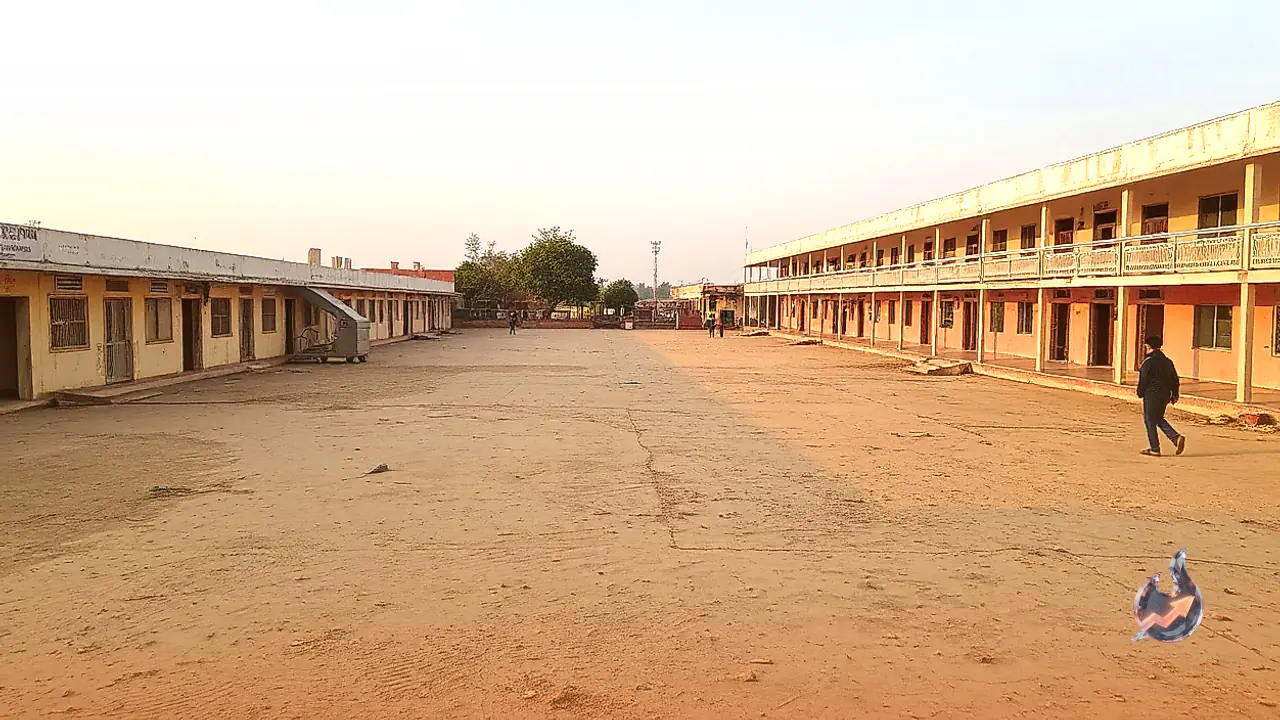
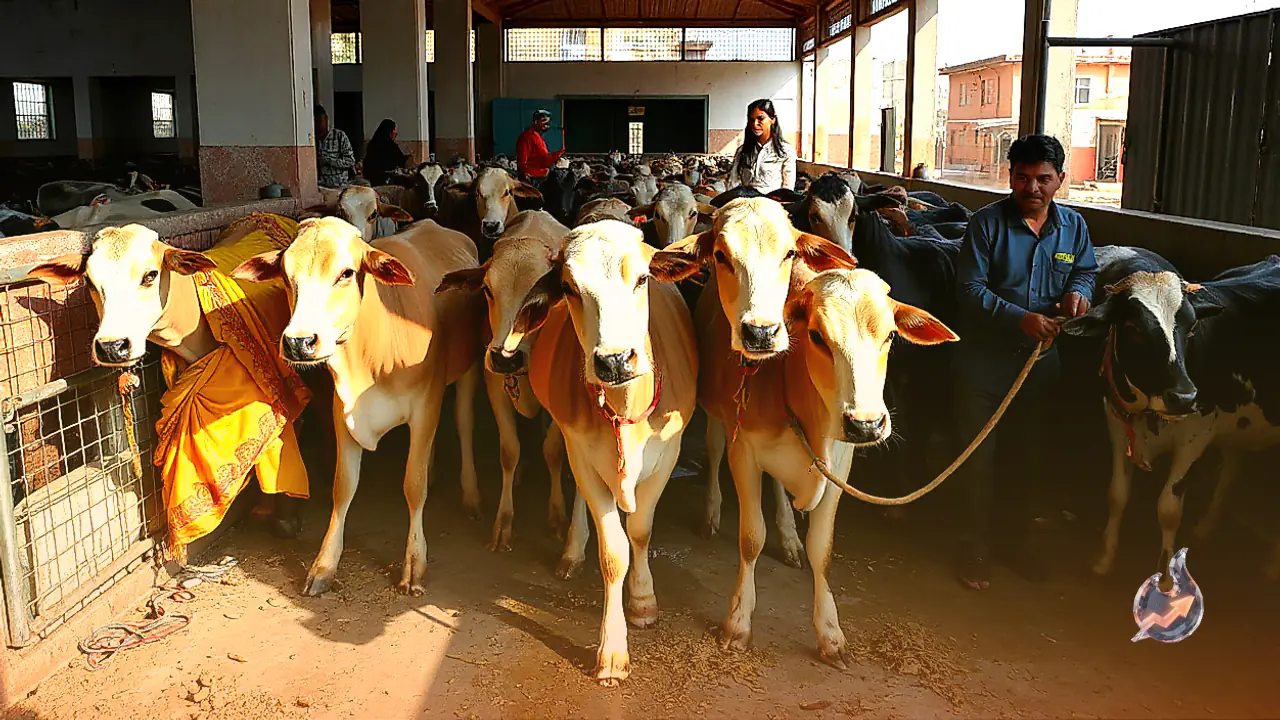
Managed by the Gauseva Samiti in Chanakyapuri, Surajgarh, this cow hospital today serves as a major hub for the care and treatment of sick and injured cattle. Operations are run smoothly through the generous cooperation of the general public and donors. Sick cattle and those injured in road accidents are brought to the facility to receive treatment aided by qualified veterinarians. Once recovered, the cattle are released back into an open environment, while severely injured animals unable to walk are retained at the facility for ongoing care. At present, around 25 to 30 cattle are under medical treatment and observation at the hospital.
A Distinct Identity Forged During the Lumpy Skin Disease Outbreak
The dedication of the committee members towards animal welfare was prominently displayed when the Lumpy skin disease outbreak struck cattle populations. During the infection period, the committee established a separate quarantine center to care for and treat sick cattle. Isolated from healthy animals, infected livestock received targeted treatment and nursing care at this dedicated facility. The concerted efforts of the committee successfully saved the lives of numerous cattle. Witnessing the tireless round-the-clock service of the volunteers during that difficult phase, donors stepped forward to offer assistance. Contributions poured in, with some helping construct buildings, others providing water coolers to beat the heat, and several offering financial aid for fodder and medical treatments. Gradually, community support became the foundational pillar strengthening the operations of the cow hospital.
Philanthropic Contributions Built Medical Rooms and Fodder Sheds
The advanced facilities visible at the cow hospital today are the result of years of sustained public support and donor participation. Gopal Barasia constructed a medical room at a cost of two lakh rupees and a restroom facility for one lakh rupees. To ease the transport of injured or sick cattle from accident sites to the hospital, a lift system costing two lakh rupees was installed in a pickup vehicle. Ramdhari Mittal, a Burhanpur expatriate, funded the construction of a fodder shed worth three lakh rupees to ensure a stable supply of nutrition for the cattle. Mahesh Ranasaria from Jhunjhunu established the Sri Krishna Gau Mandir at a cost of four lakh rupees. Mangilal Mittal, an expatriate based in Kolkata, sponsored a solar-powered borewell worth two and a half lakh rupees. Additionally, an operation theater was built with the collaborative support of Delhi-based expatriates Mahesh Shah, Suresh Jhunjhunwala, and Sanjay Didwania. Committee patron Sajjan Agarwal funded a drinking water kiosk equipped with a water cooler at a cost of one lakh rupees. A dedicated storage room was also constructed through community funding to streamline hospital management.
Efforts to upgrade essential infrastructure for cattle care at the hospital remain ongoing. Recently, boundary walls were heightened, and the length of tin sheds was increased through collective public donations. The objective is to provide comfortable housing and protection for the resident cattle. Donors have not restricted their contributions to financial aid alone; they have stepped in to supply buildings, equipment, and other necessary amenities as required. Through these concerted steps, facilities covering medical treatment, fodder, water, and animal welfare have steadily been strengthened.
Volunteers Rush to the Scene Upon Receiving Information
For the committee members, serving cattle is not restricted to any specific time or occasion. Day or night, upon receiving news of a sick or injured animal, volunteers make every effort to drop their work and arrive at the location. When necessary, cattle are transported to the hospital via pickup trucks, followed by diagnosis and treatment supported by veterinary doctors. People associated with the committee continue to contribute actively to this service mission. The greatest satisfaction for the volunteers is witnessing a sick or injured animal recover its health. Committee members note that the constant support they receive from the general public and donors serves as continuous motivation. When society stands together, securing necessary arrangements for the care and treatment of needy cattle becomes much easier.
A Shining Example of Service, Dedication, and Community Support
This cow hospital in Surajgarh demonstrates how welfare initiatives can be successfully advanced through community participation. For roughly 10 years, committee members have engaged in rescuing and treating destitute cattle, while donors have fortified the effort according to their means. From constructing buildings and donating coolers to building fodder sheds and organizing medical facilities, all these efforts share a single overarching goal: ensuring timely assistance reaches sick, injured, and helpless cattle.