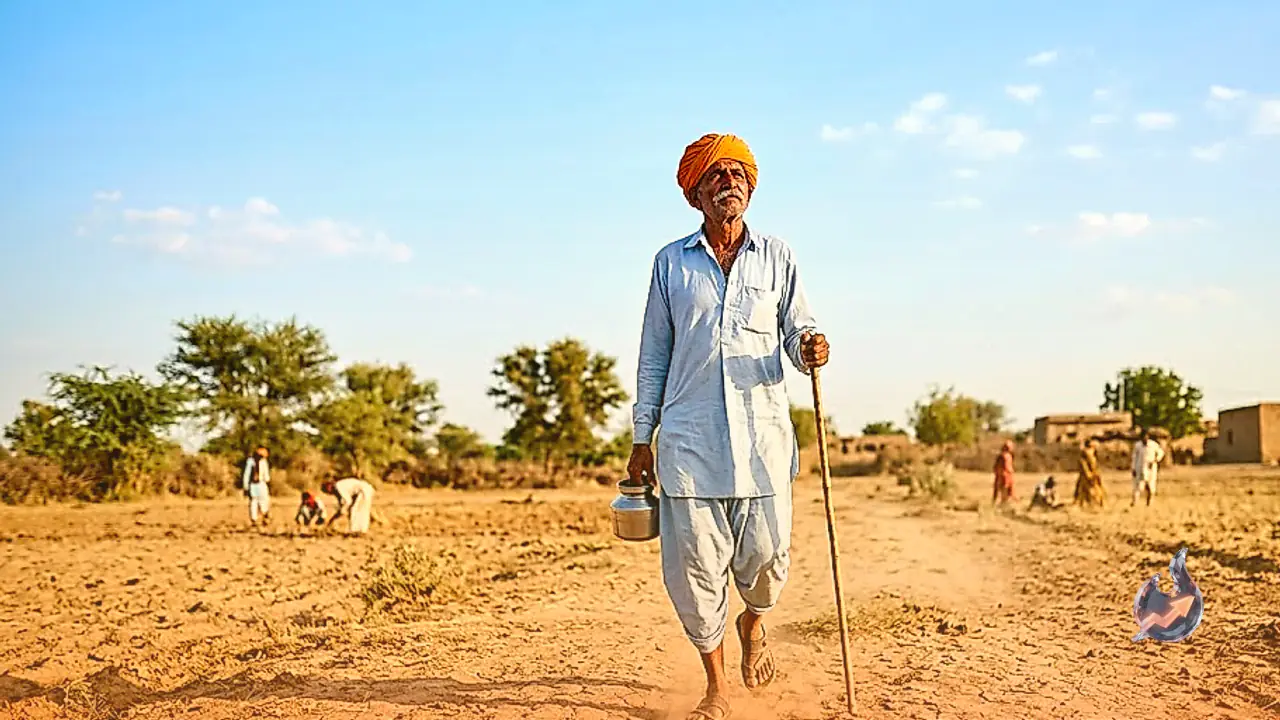























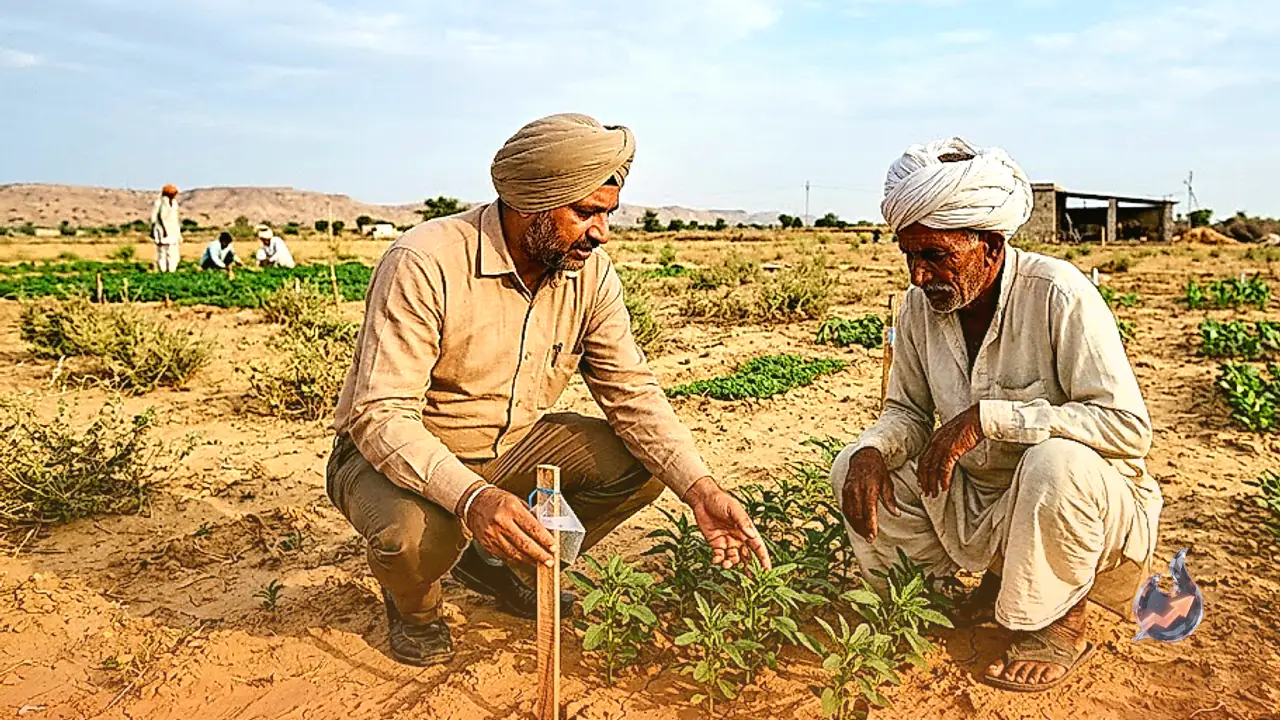

In Western Rajasthan, particularly in districts like Pali, the prolonged absence of adequate monsoon rainfall towards the end of August has triggered severe concerns among the farming community. The lack of timely showers has left vast agricultural tracts unsown, putting the livelihood of local cultivators at risk. Amidst this impending drought situation, scientists at Agriculture University Jodhpur have introduced a crucial agricultural intervention. Through intensive research, expert agronomists have developed specialized short duration and drought tolerant crop varieties for pearl millet, green gram, sesame, and cluster bean. These newly researched seed lines require minimal moisture to mature. If late August brings even modest rainfall across the region, farmers can sow these seeds to safeguard their fields against complete seasonal failure.
Monsoon Deficit Triggers Sowing Crisis Across Western Rajasthan
Agriculture in the arid and semi-arid terrain of Western Rajasthan relies heavily on seasonal precipitation. As the final week of August progresses, the deficit in rainfall has stalled land preparation and seed sowing across several agricultural belts. With soil moisture levels depleting rapidly, farmers have been waiting anxiously for rain to avoid major financial setbacks. Addressing these erratic weather patterns, researchers at Agriculture University Jodhpur have focused their scientific efforts on developing climate resilient crop strains. Their primary objective has been to create crop varieties that withstand prolonged dry spells and complete their vegetative cycle within a compressed timeframe compared to standard commercial seeds.
Advanced Crop Strains Engineered For Reduced Water Consumption
The research department at Agriculture University Jodhpur has finalized two to three distinct short duration varieties for pearl millet (bajra), green gram (moong), sesame (til), and cluster bean (guar). The university administration is actively working to make these seeds accessible to as many farmers as possible. Sowing traditional crop varieties late in the monsoon season carries significant risk, as those plants require sustained irrigation over a longer growing cycle. In contrast, the newly released varieties mature rapidly, allowing farmers to harvest their yield efficiently even when overall rainfall remains below average. This approach aims to protect agricultural output and stabilize farm incomes despite adverse climate conditions.
Institutional Guidance And Advisory From University Leadership
Evaluating the regional weather scenario, Prof. Veerendra Singh Jaitawat, Vice Chancellor of Agriculture University Jodhpur, pointed out that the lack of sufficient rainfall by late August has left large areas of arable land uncultivated. He explained that university scientists anticipated such weather anomalies and focused on developing drought resistant crop technologies. The two to three new strains developed for bajra, moong, til, and guar demand significantly less water and reach harvesting stage quickly. These seeds are being distributed to farming communities. Prof. Veerendra Singh Jaitawat emphasized that if rainfall occurs during the closing days of August, farmers can immediately sow these short duration crops to recover from initial delays and achieve a successful harvest.