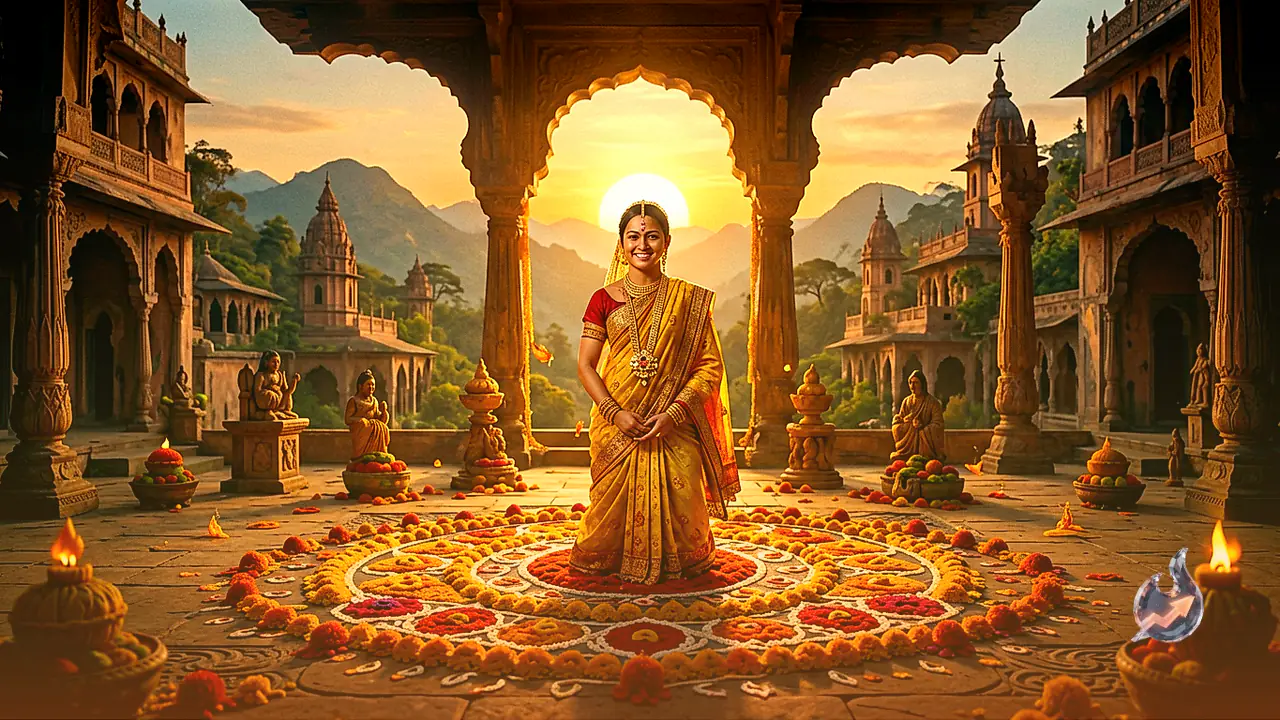


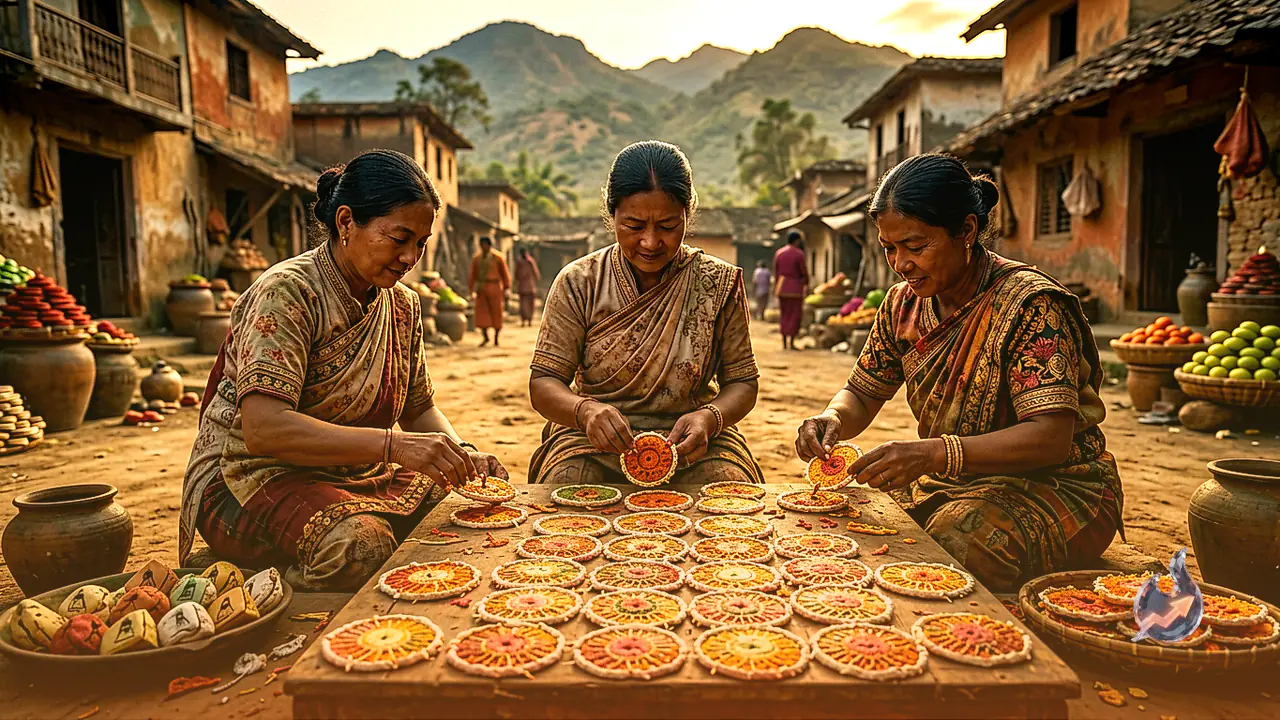















The festival of Rakshabandhan celebrates the enduring bond of love and protection between brothers and sisters, but in the Palamu district of Jharkhand, this annual occasion has evolved into a vital source of livelihood. As the festival approaches, local markets are witnessing a surge in demand for decorative threads and wristbands. Capitalizing on this seasonal momentum, rural women associated with Sakhi Mandals across Palamu are transforming traditional craft skills into self-employment. By handcrafting vibrant rakhis to adorn brothers' wrists, these group members are creating financial independence for themselves, with their crafted items gaining traction both within local stalls and in neighbouring markets.
Large-Scale Crafting Initiative Across Three Blocks
Handicraft operations are currently underway in three designated blocks of Palamu district, where female members of self-help groups are diligently engaged in production. The collective has set an ambitious target of manufacturing approximately 40,000 handcrafted rakhis during the current festival season. In Pandav block alone, a team of 10 women has joined forces to produce around 10,000 units. These artisans have been working on the project for nearly one month. To ensure high aesthetic appeal, the workers utilize a variety of decorative raw materials, including silk threads, polished pearls, sacred Swastika emblems, and ornamental embellishments, creating a wide range of distinct patterns and designs.
Production Costs, Pricing Structures, and Earning Potential
Sharing details regarding the economic model, Sunita Devi, a member associated with Sakhi Mandal, highlighted how this initiative serves as an accessible earning platform for women. She explained that assembling a single rakhi requires only about two to three minutes of manual work, incurring a modest production cost of roughly 4 to 5 rupees per piece. In terms of commercial distribution, these handcrafted items fetch approximately 10 rupees per unit in wholesale markets, while retail buyers purchase them at prices ranging between 15 and 20 rupees each.
Retail Stalls and Empowering the Rural Household Economy
According to Sunita Devi, the group has already completed the production of roughly 10,000 to 15,000 rakhis. To facilitate direct sales to consumers, dedicated exhibition stalls are being established at strategic locations across various parts of Palamu district. Given the heightened commercial demand during the festive period, the women anticipate generating substantial household revenue. Crucially, this enterprise requires no heavy capital investments or complex infrastructure, allowing women to work conveniently from their homes or community group centres. By linking local talent with seasonal market opportunities, the women of Palamu are effectively boosting their family incomes while strengthening the cultural essence of Rakshabandhan.