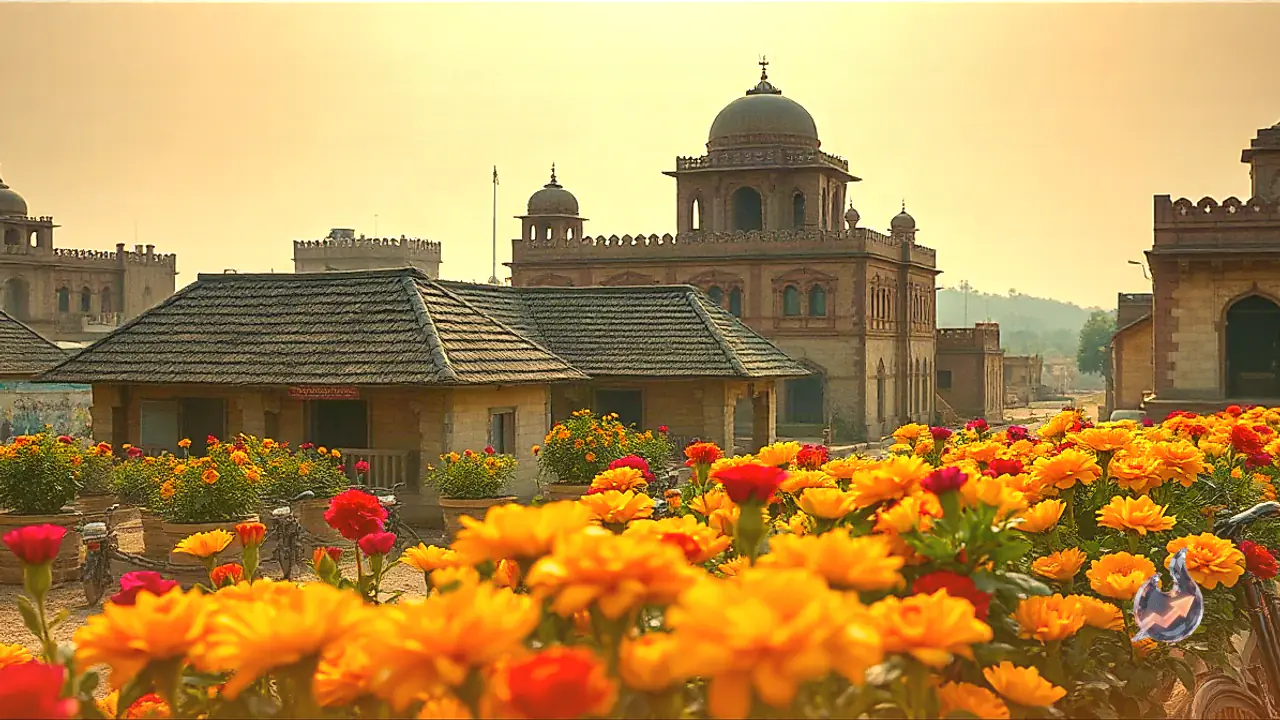





















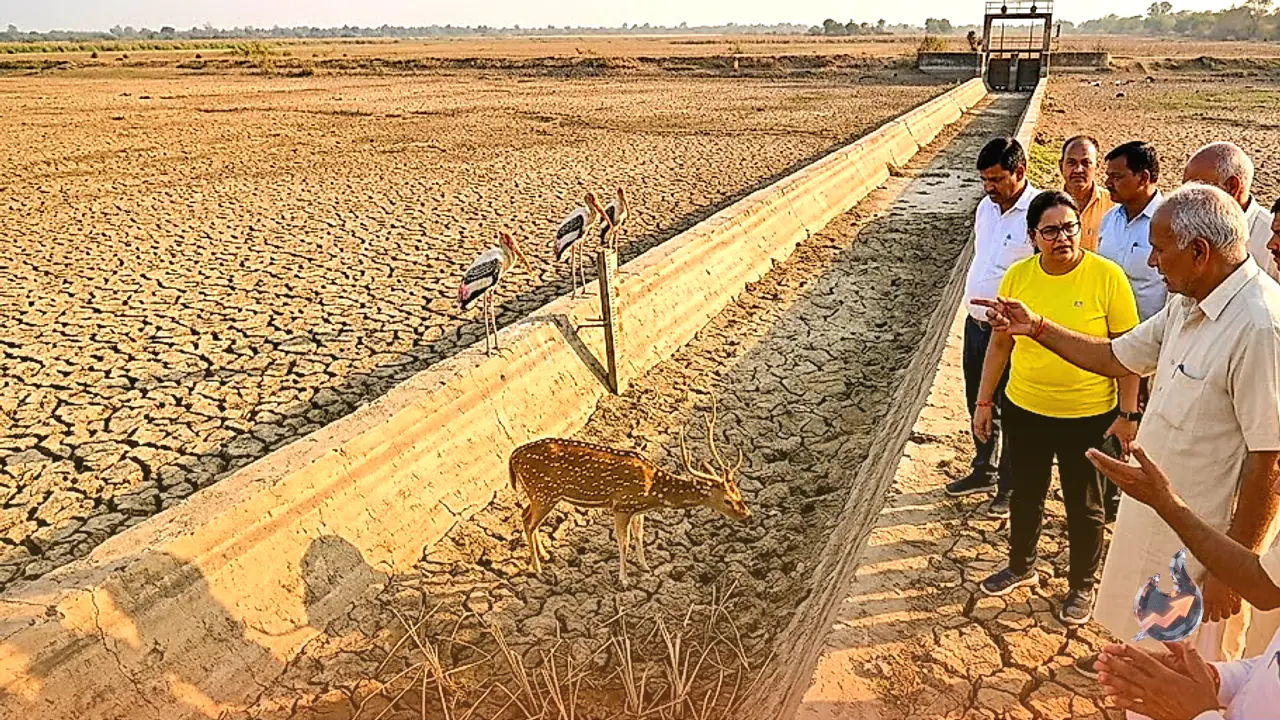

The world-renowned Keoladeo National Park, located in Bharatpur, is currently grappling with a severe and deepening water crisis. Widely recognized as a UNESCO World Heritage Site, the sanctuary usually attracts thousands of domestic and international tourists, alongside avid nature lovers, every year. However, despite the passing of the critical month of July, the park is suffering from an acute shortage of water. The life-giving water from the Panchna Dam, which typically arrives by the second or third week of July every year, has yet to reach the park. This prolonged delay has put the entire ecosystem and the natural habitat of the sanctuary at severe risk.
Threat to a World Heritage Ecosystem
Keoladeo National Park operates as a veritable paradise for bird enthusiasts globally. According to nature guides working closely with the sanctuary, the park serves as a crucial shelter for more than 375 distinct bird species. During the winter season, thousands of migratory birds travel from distant countries to make this park their temporary home. Adequate water levels are absolutely essential for these birds to nest, feed, and breed. With the water sources currently drying up rapidly, the natural environment is sustaining deep ecological damage. If the water shortage continues, it is highly likely to disrupt the arrival patterns of migratory birds later this year, threatening the park's fundamental identity.
Direct Impact on Avian and Aquatic Life
To sustain its delicate environmental balance, Keoladeo requires an estimated 550 MCFT of water annually. This massive requirement is traditionally fulfilled by the Panchna Dam. Due to the failure of this primary supply route this season, the growth of aquatic vegetation and the breeding cycles of local fish populations have been severely stunted. Fish and aqua vegetation form the primary food source for the myriad bird species inhabiting the region. The shrinking of this vital food supply has created an immediate survival crisis not just for the birds, but also for other wildlife relying on the wetland ecosystem.
Inadequate Alternative Measures
In light of the massive shortage, local authorities have attempted to implement a stopgap measure. Periodic water supplies of approximately 3 MCFT are being directed to the park from the Chambal river. However, when compared to the park's standard requirement of 550 MCFT, this alternative supply is proving to be entirely inadequate. This nominal volume has failed to improve the overall water level of the wetland lakes and is insufficient to recreate the thriving aquatic environment necessary for the survival of the wildlife.
Livelihoods of Locals Hanging in the Balance
The significance of Keoladeo National Park extends far beyond its environmental and ecological value; it acts as the primary economic engine for thousands of families residing in Bharatpur and its neighboring villages. Nature guides, registered rickshaw pullers, and local vendors rely entirely on the bustling tourist activity generated by the park. If the water crisis leads to a decline in the park's vibrancy and a subsequent drop in tourist footfall, the livelihoods of these individuals will be directly destroyed. For many of these workers, the winter tourist season is their only major source of annual income, which is now heavily jeopardized.
Demands for a Permanent Government Solution
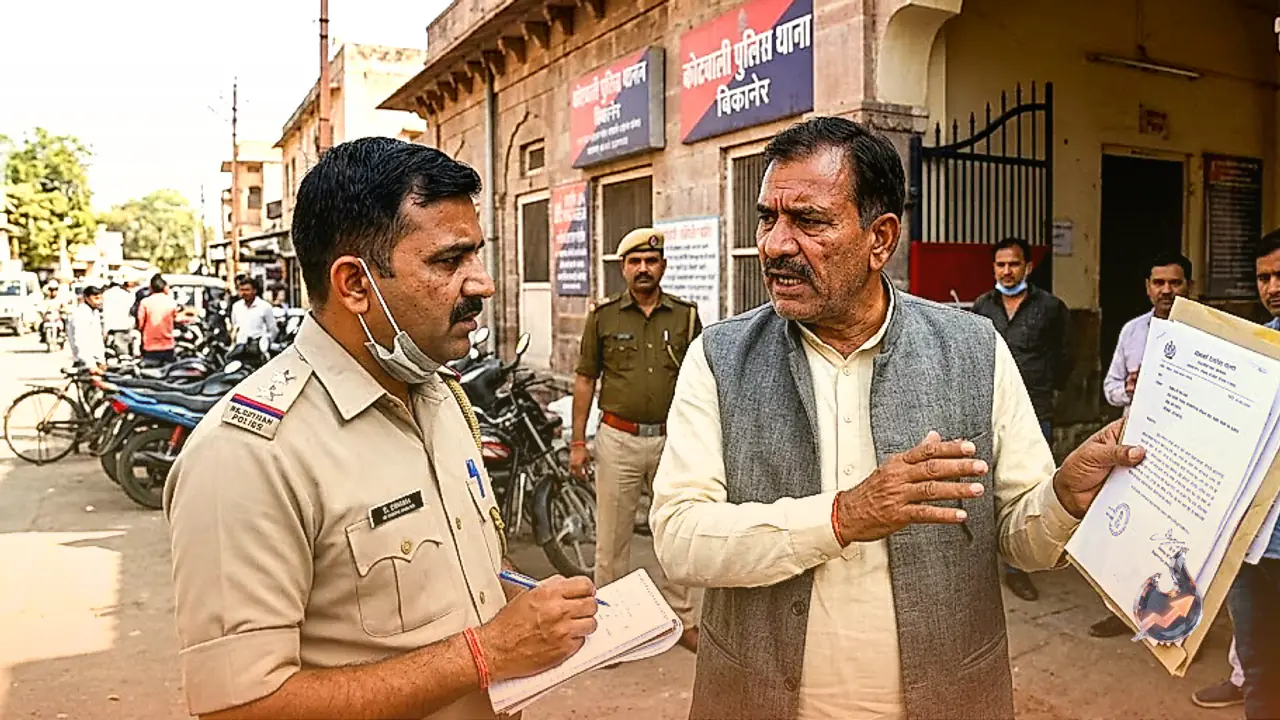
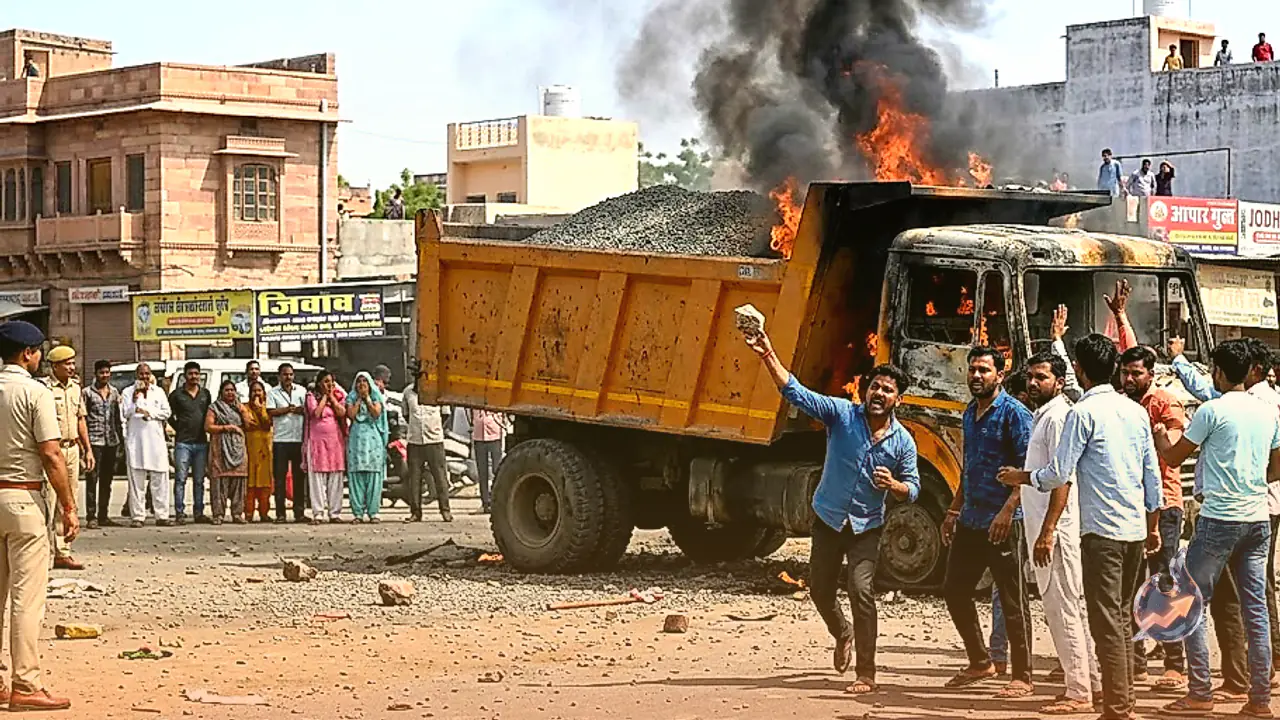
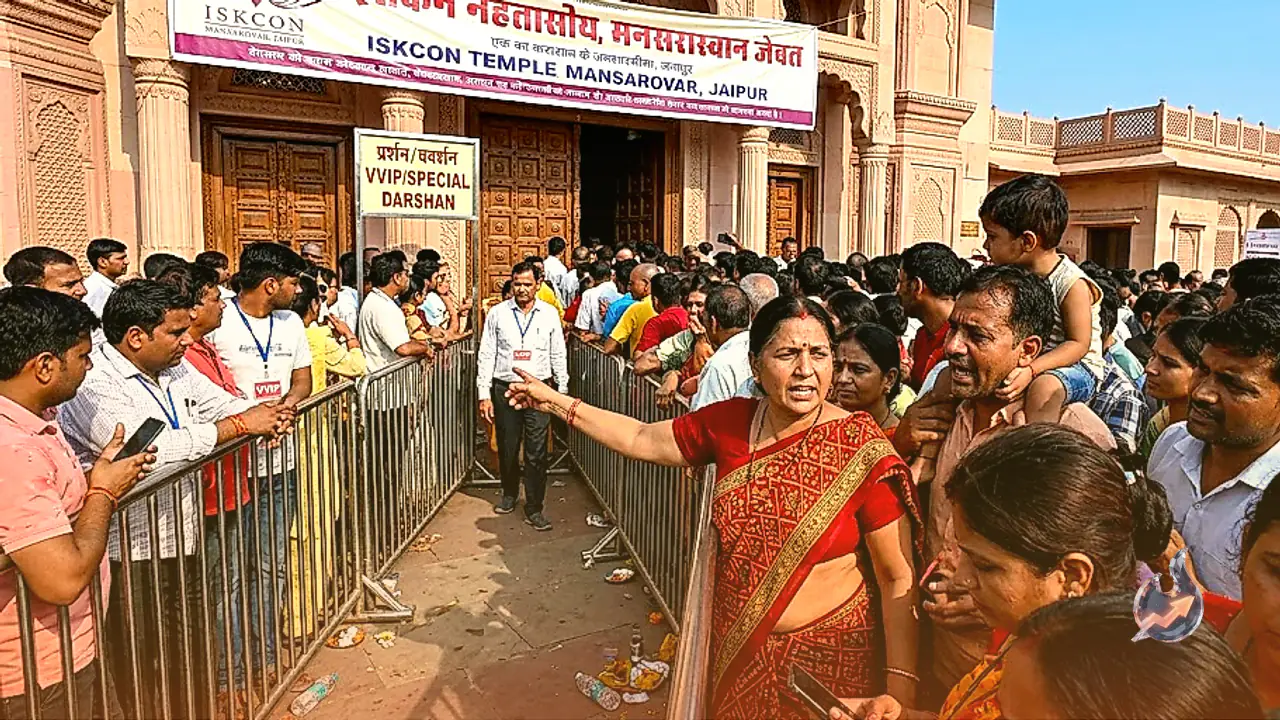
Recognizing the gravity of the unfolding disaster, frustration among the local populace has begun to boil over. Nature guides, rickshaw pullers, environmental organizations, nature lovers, and residents from surrounding villages recently gathered in large numbers at the main gate of the park to raise their voices against the government's inaction. They have made it clear that without a concrete and permanent solution in the immediate future, Keoladeo's world-class reputation will be permanently tarnished. The demonstrators have urgently demanded that the government immediately release water from the Panchna Dam and formulate a long-term, sustainable water management plan to protect both this invaluable heritage site and the local economy that depends on it.