























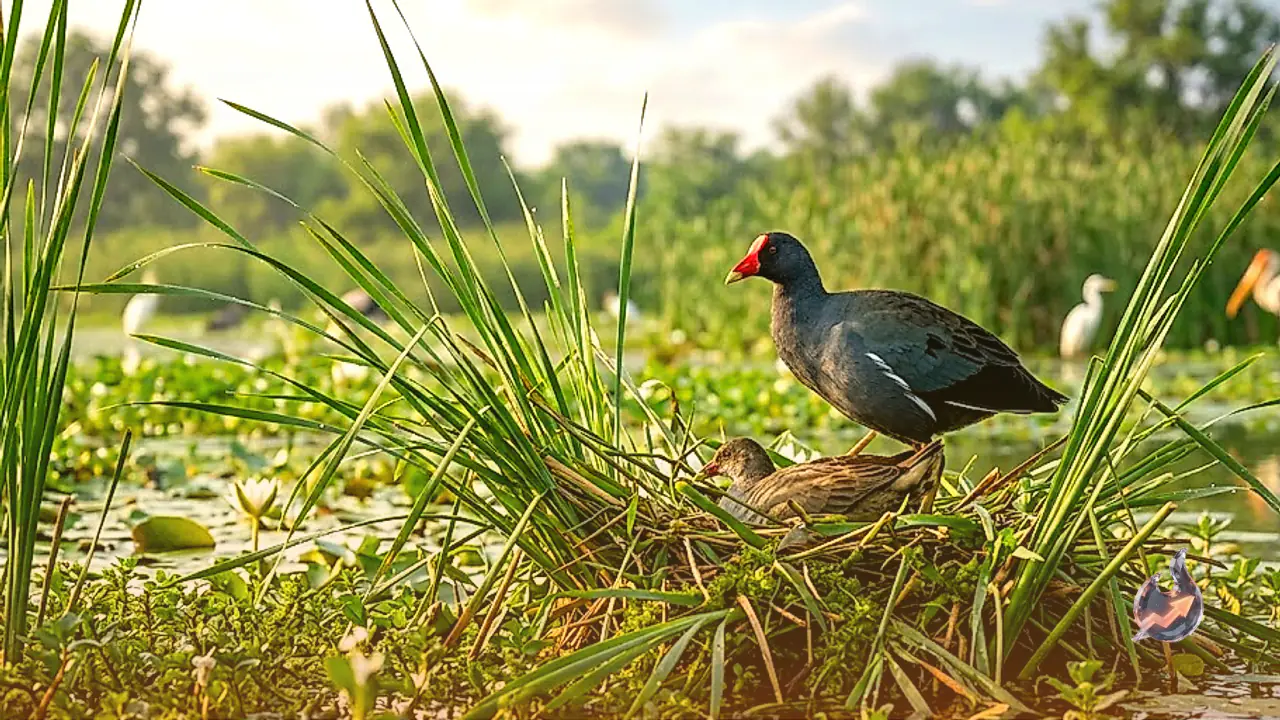

Keoladeo National Park in Bharatpur is witnessing a vibrant transformation this monsoon as its crucial wetland ecosystem shows significant signs of revival. This ecological recovery has brought a delightful surprise for birdwatchers and conservationists, with the rare watercock bird being spotted in remarkably high numbers. The presence of this elusive species serves as a direct indicator of the improved health and biological diversity of the sanctuary's water bodies.
A Shy Asian Species Finds a Safe Haven
The watercock, a highly secretive bird native to South and Southeast Asia, is notoriously selective about its surroundings. These birds typically seek out calm, undisturbed water bodies surrounded by thick, marshy vegetation. Because they require pristine water conditions, an abundant supply of food, and a highly secure environment, their nesting choices are incredibly precise. This monsoon, multiple pairs of watercocks have been observed together in the wetlands of the park, sparking immense joy among environmentalists who view this as a testament to the sanctuary's reviving habitat.
Breakthrough Breeding Success in Sapan Mori
According to a seasoned nature guide from the Ghana region, these migratory birds traditionally arrive at the sanctuary around June or July, aligning with the onset of the monsoon rains. In previous years, their presence was extremely sparse, with observers noting only one or two isolated pairs throughout the entire season. However, a significant shift has been recorded recently. Having observed these birds closely for the past four to five years, the guide noted that this year marks the very first time the watercocks have successfully bred inside the park. The birds have primarily established their territory around the Sapan Mori area, where the combination of deep, dense grass cover and reliable water levels offers them the perfect sanctuary.
Distinctive Features and Ecological Outlook
Distinguished by its vibrant red bill and structural resemblance to the domestic cock family, the watercock stands out among other wetland avian species. In terms of behavior, it closely mirrors the white-breasted waterhen. These seasonal visitors typically populate the Bharatpur wetlands through August and September before embarking on their return journey. The growing population and successful breeding of the watercock clearly demonstrate that the ecological balance of Keoladeo National Park is growing stronger. This positive environmental shift has created a wave of enthusiasm among forest officials, local guides, tourists, and wildlife photographers alike.