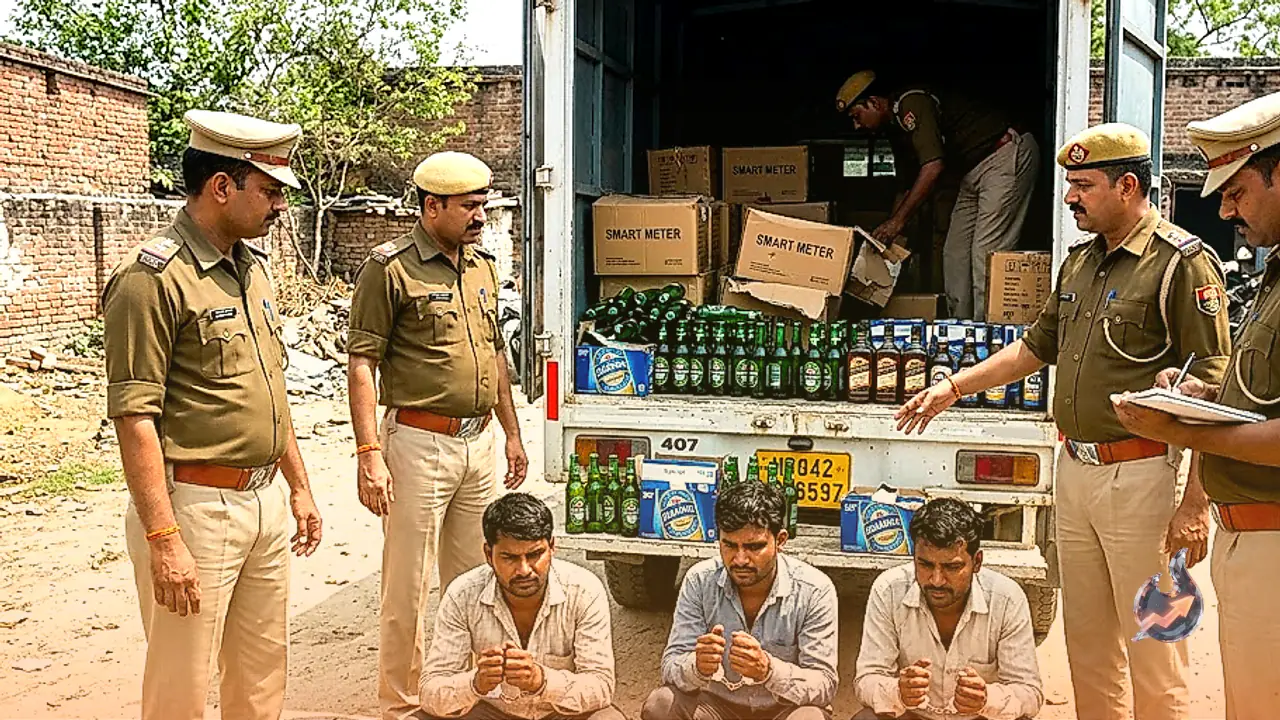





















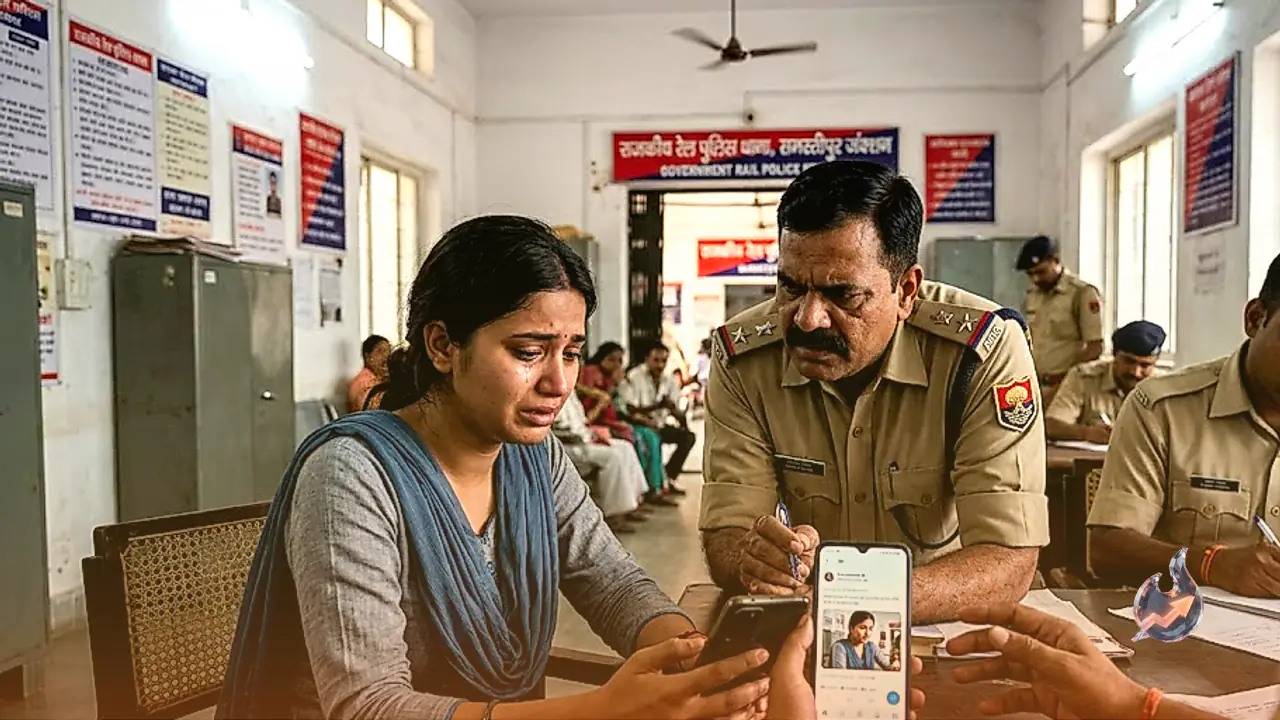

The rash and unchecked actions of the police in Samastipur have triggered an intense debate over civil liberties and the misuse of authority. Following a seizure of 75 liters of illicit liquor aboard the Swatantrata Senani Express, the local rail police chose to bypass fundamental legal norms. Instead of conducting a professional, confidential investigation, they instantly published the photograph of a young woman named Neha Jha on social media, framing her as if she were a major drug kingpin. However, a local court has recently granted her bail, and initial inquiries indicate that the contraband was loaded in Haryana, whereas Neha Jha had boarded the train far away in Varanasi, Uttar Pradesh. This hasty move by the police has not only devastated an individual's reputation but has also exposed a worrying trend where the police prioritize online sensationalism over due process of law.
Unpacking the Investigation: High-Handedness and Major Loopholes
The details of the case reveal significant discrepancies in the police's swift conclusions. The contraband, which consisted of Haryana-made liquor, was reportedly loaded onto the Swatantrata Senani Express in Haryana. Meanwhile, Neha Jha, a resident of the Singhia region in Samastipur, had boarded the train from Varanasi in Uttar Pradesh. Without establishing any solid technical link, and without waiting for a comprehensive probe into the liquor supply chain, the Samastipur Rail Police hastened to release her photographs online. This rush to claim credit and present a "solved case" to the public overshadowed the basic requirement of identifying the actual suppliers and distributors of the illegal consignment. By focusing entirely on a soft target, the law enforcement agency allowed the real perpetrators behind the syndicate to remain in the shadows.
The Legal Implications: Violations of the Bharatiya Sakshya Adhiniyam and Constitutional Rights
From a legal perspective, the actions of the Samastipur police constitute a direct violation of established criminal procedure and human rights guidelines. A fundamental pillar of criminal investigation is the Test Identification Parade (TIP), which allows witnesses to identify a suspect under controlled conditions. Under the provisions of the Bharatiya Sakshya Adhiniyam 2023, if the police disclose the suspect's identity or publish their photograph before the TIP and trial, the legal validity of the identification process is completely compromised. In court, the prosecution's case is severely weakened because the defense can easily argue that the witnesses were influenced by the publicly circulated images. Furthermore, this act directly infringes upon Article 21 of the Indian Constitution, which guarantees every citizen the Right to Dignity and the Right to Privacy. By conducting what can only be described as a "trial by police" on social media, the authorities violated the constitutional presumption of innocence until proven guilty.
Publicity Stunts vs. Systemic Pressure of the Prohibition Law
The root of such high-handed policing often lies in the intense administrative pressure to enforce Bihar's strict prohibition laws. With constant scrutiny over the flow of illegal alcohol into the state, police departments are frequently pushed to showcase immediate results. In this bid to garner quick appreciation and project an image of swift action, basic legal safeguards are routinely cast aside. In Neha Jha's case, the police appeared to have acted with deep prejudice, leveraging her family background to build a narrative of guilt. Instead of executing a meticulous, intelligence-led operation to dismantle interstate liquor networks, the police opted for a shortcut that yielded social media traction but failed the test of legal scrutiny.
The Irreversible Damage of Digital Defamation and the Need for Accountability
In today's interconnected digital landscape, the consequences of premature media trials are devastating and permanent. Once an individual's name and face are broadcast across social media platforms with the label of a smuggler, the social stigma remains long after they are acquitted by a court of law. The internet does not forget, and the damage to Neha Jha's social standing and mental peace is virtually irreversible. For this grave lapse in professional policing, the Samastipur Rail Police and the specific investigating officers must be held directly accountable. There is an urgent need for administrative and legal action against those who authorized the release of the photographs without following due process, serving as a reminder that the badge does not grant the authority to trample upon a citizen's self-respect.