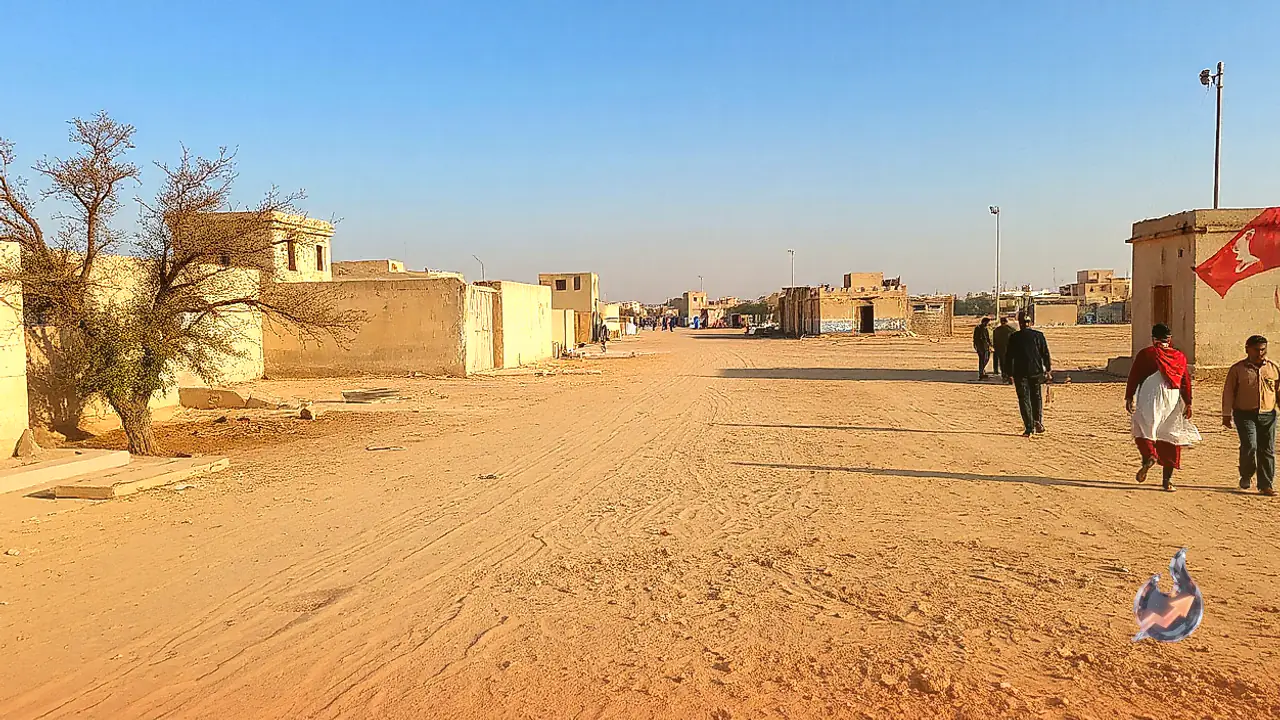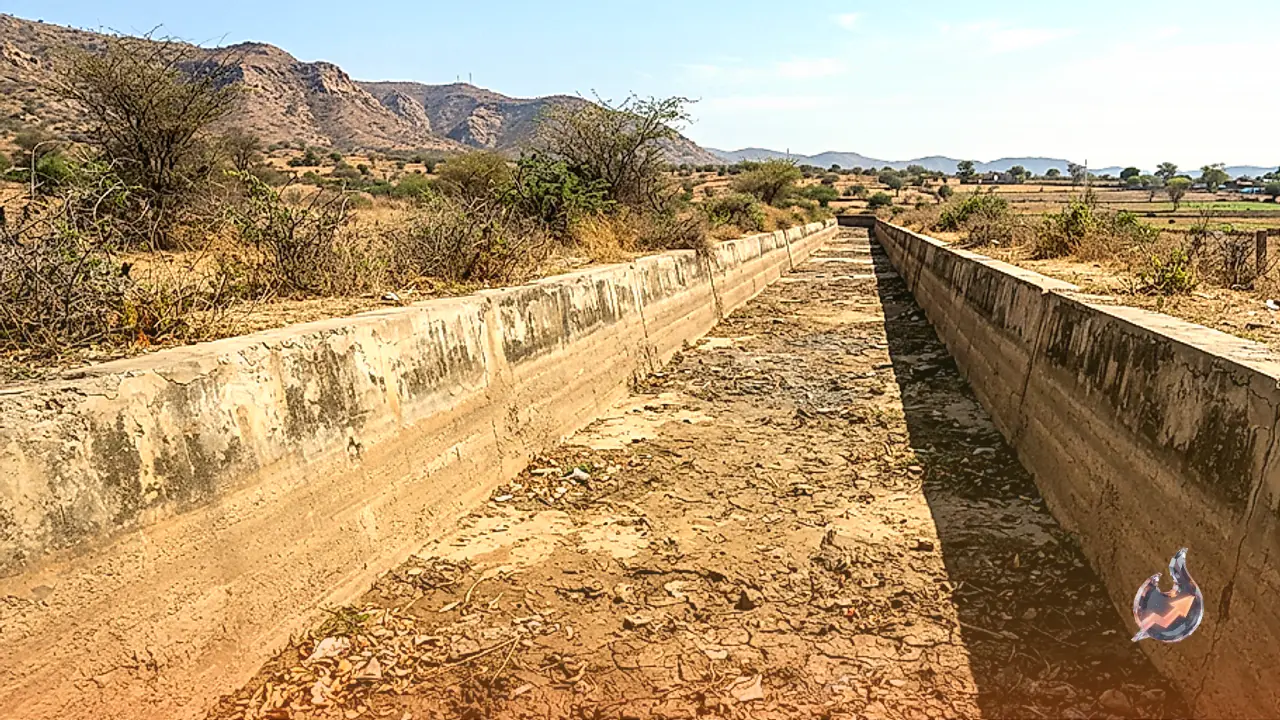

Sirohi district is currently witnessing the severe agricultural fallout of deficient rainfall, which has begun to directly impact the irrigation of Rabi crops. While farmers traditionally receive the first round of irrigation water from the district's largest West Banas Dam right after Diwali every year, the canals remain dry long after the festival has passed. Water inflow into the reservoir this season has hit record lows, severely undermining the farming community's expectations of securing timely water for their fields.
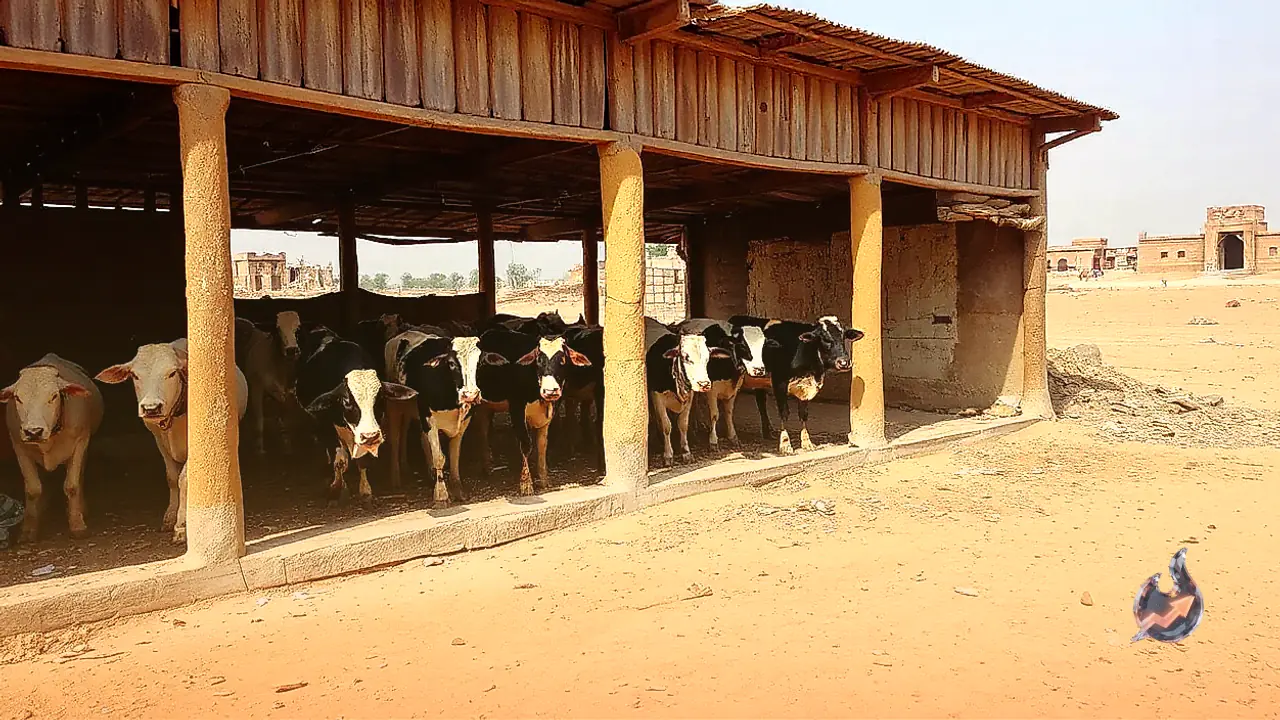
An on-ground assessment revealed that the failure of canal water to reach the command area could heavily damage wheat production and trigger a severe shortage of fodder for livestock. Manoharसिंह राव, a former sarpanch and farmer from Karoli village, explained that water is generally released into the canals for Rabi crops during the first or second week of November, with farmers receiving three to four irrigation turns depending on overall water availability. The reservoir boasts a total storage capacity of 1,380 MCFT with a gauge level of 24 feet, providing irrigation to approximately 7,952 hectares of agricultural land spread across 36 villages in the Pindwara and Abu Road tehsils.
Extensive Canal Network and Reach
The dam features two primary canals designed to distribute water across vast agricultural tracts. The right main canal spans roughly 34.74 kilometers, traversing the Pindwara region to deliver water all the way to Dunkakar village in Abu Road's Kyaria and Redwakala areas. Meanwhile, the left main canal measures between 21.64 and 22.32 kilometers in length, catering to Goliya and surrounding settlements. Branching out from these two main arteries are five smaller distributaries, with three serving villages in Pindwara and two extending into the Abu Road tehsil.
Water Distribution Protocols and Committee Decisions
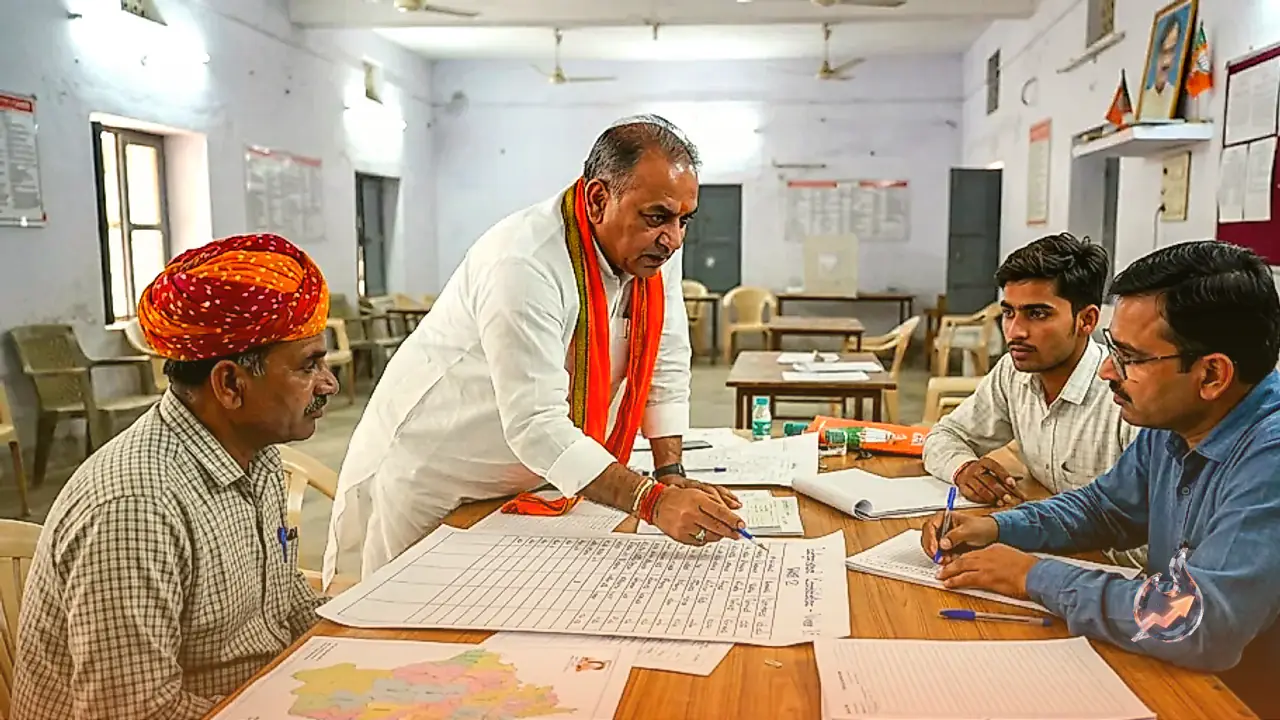
The schedule for opening the canal gates and the exact number of irrigation turns are finalized during a meeting of the Water Users Association and Distribution Committee held under the chairmanship of the District Collector between October and November. To ensure equitable distribution, water is occasionally released from the tail end towards the head end. However, this season's exceptionally low water inflow has created an unusually challenging scenario for managing agricultural irrigation.
Growing Anxiety Among Farmers and Crop Vulnerability
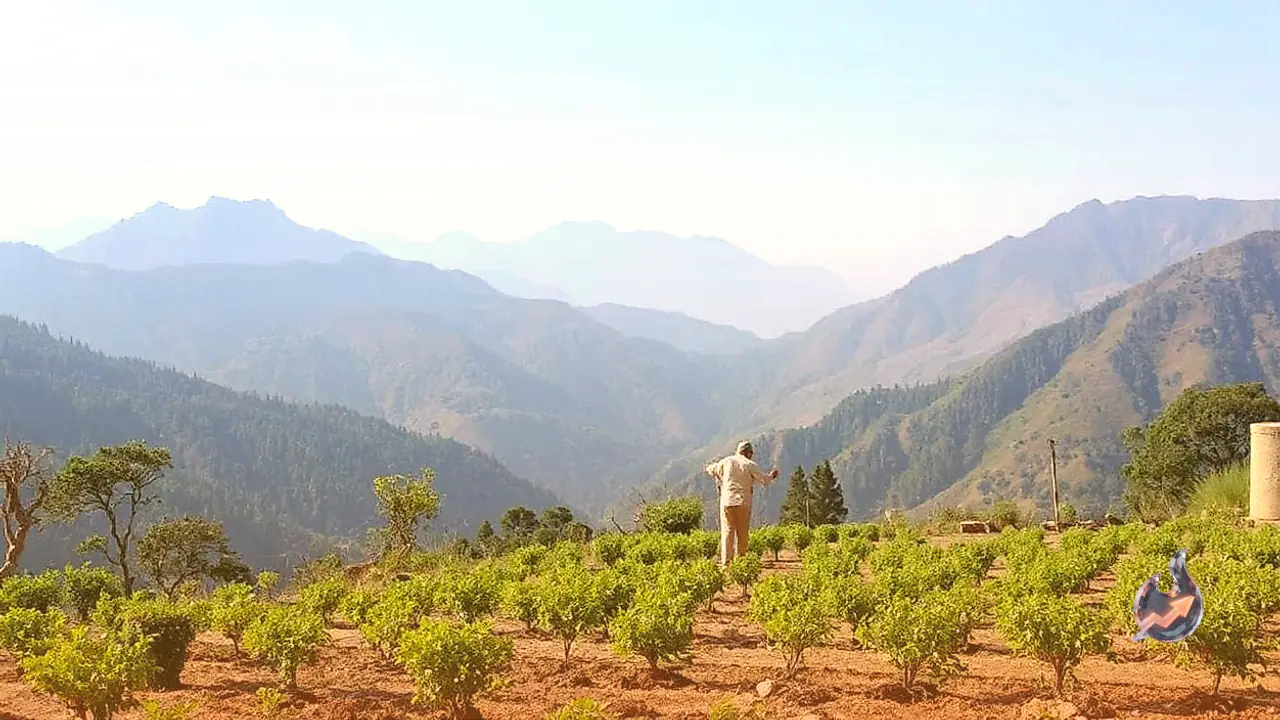
Having anticipated water releases immediately following Diwali, farmers are growing increasingly anxious as they await their first scheduled irrigation turn. All eyes are now on the district administration to see how much water can be allocated from the remaining reservoir reserves and when relief will finally reach the parched fields. Farming operations in the vicinity of these canals rely almost entirely on this water source to nurture seasonal crops such as fennel, castor seed, and wheat. The ongoing delay is already taking a heavy toll on crop development, while also threatening to starve livestock of essential fodder, prompting local farmers to demand that the district be officially declared drought-hit.