






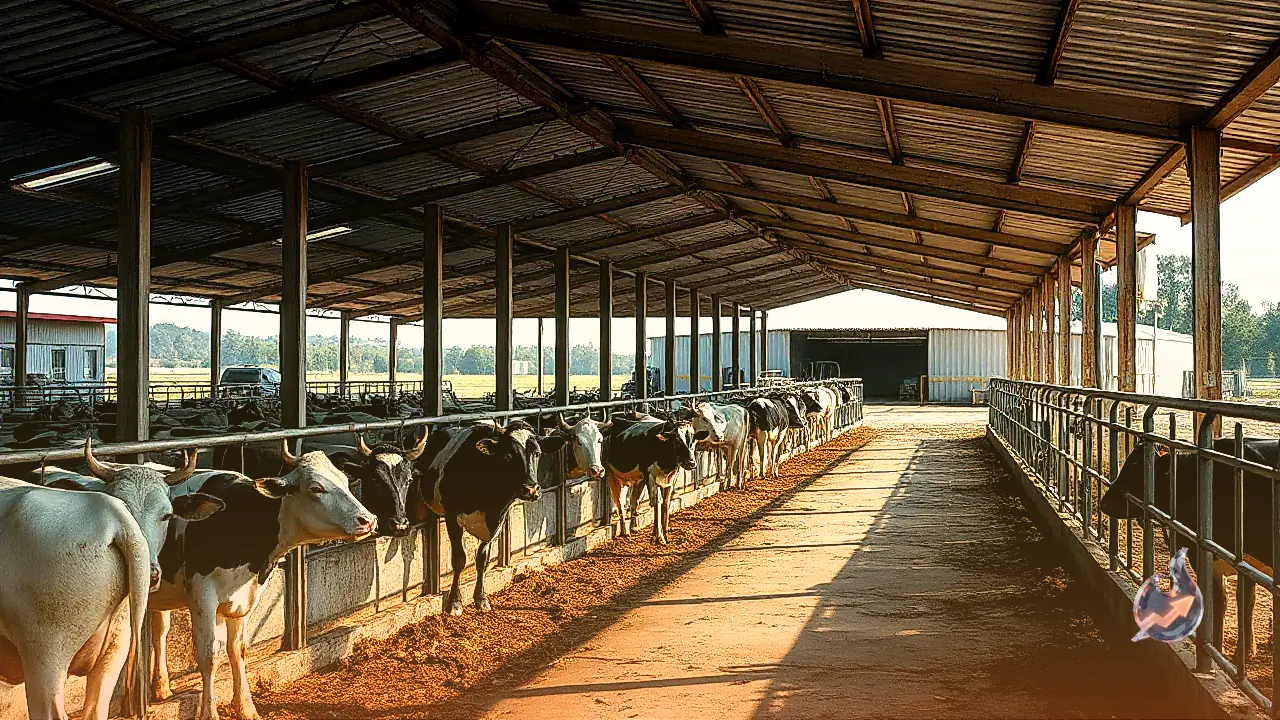
















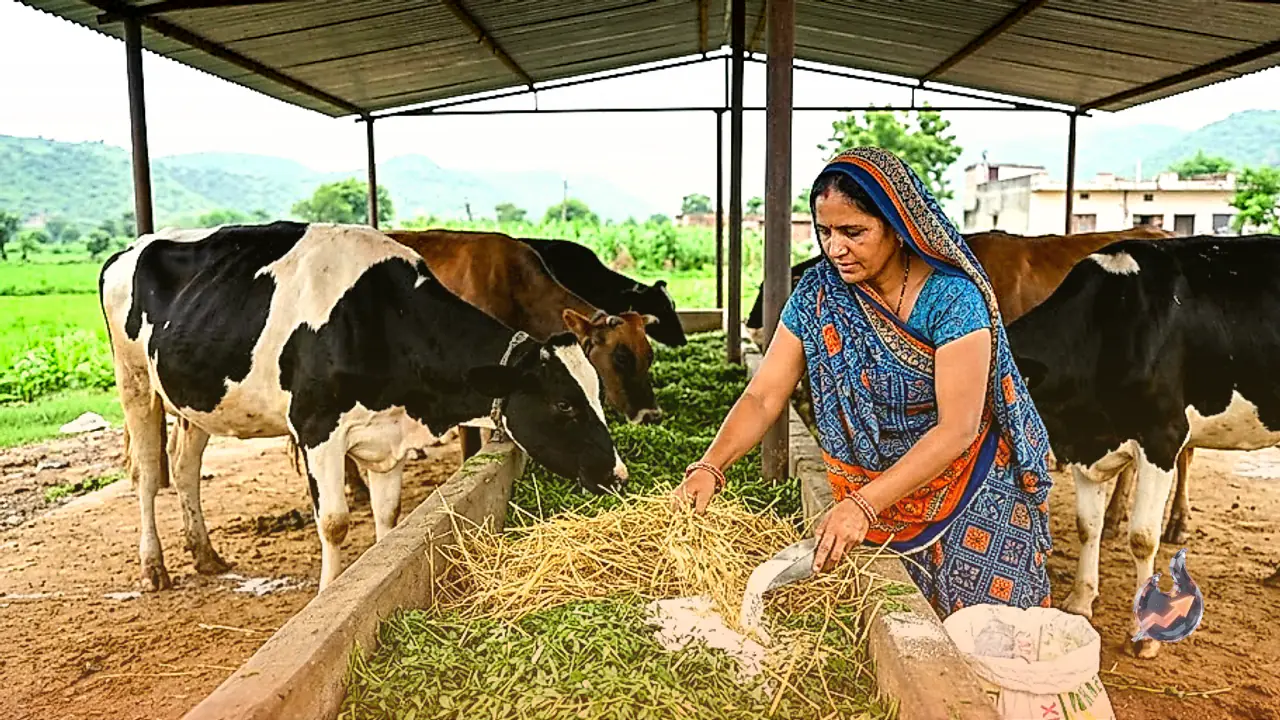

While the arrival of the monsoon brings lush green pastures and abundant fodder for livestock, it also demands heightened vigilance regarding the daily diet of dairy cattle. To offset the rising costs of commercial feed grains, many dairy farmers tend to feed excessive amounts of leguminous green fodder to their animals during the rainy season. However, livestock experts warn that feeding unbalanced green fodder can severely damage the digestive system of cows and buffaloes, leading to a noticeable drop in both milk yield and quality.
Excess Leguminous Fodder and Digestive Risks
According to experts at the Krishi Vigyan Kendra in Udaipur, green fodder harvested during the monsoon contains exceptionally high moisture levels compared to other seasons. When cattle consume large quantities of this moisture-laden fodder, their digestive tract struggles to process it effectively. This imbalance increases the risk of severe stomach disorders, including diarrhea, indigestion, and bloat (afra). Consequently, any seasonal adjustment to an animal's daily diet must be executed with careful planning rather than sudden changes.
Managing Fat and SNF Depletion in Monsoon Milk
During the rainy months, dairy farmers frequently observe a decline in the fat and Solids-Not-Fat (SNF) parameters of cow and buffalo milk. In an attempt to maintain milk standards, farmers often turn to leguminous green fodder due to its high protein content. While legumes are indeed rich in vital proteins, experts stress that they must only be administered in strictly controlled proportions. Overfeeding leguminous fodder upsets the stomach of milch animals, ultimately causing a decline in both milk quality and overall yield.
Strategic Feeding Techniques: The Role of Dry Fodder
To maintain optimal digestive health, experts recommend a specific order of feeding. Dairy animals should always be given a measured quantity of dry fodder and balanced feed mix before being offered green fodder. The dry fodder absorbs the excess moisture present in green forage, stabilizing the digestive system. Even if cattle are sent out for open pasture grazing, feeding them dry fodder beforehand prevents them from overeating fresh green grass on an empty stomach, keeping their metabolic health intact.
Customized Diets Based on Age, Weight, and Milk Yield
Veterinarians emphasize that an animal's dietary requirement depends directly on its age, body weight, and daily milk production capacity. Balanced nutrition is equally essential for non-milking cattle to sustain their physical strength. Making drastic modifications to livestock feed without professional advice can lead to severe health complications. Maintaining a strict equilibrium between green fodder, dry roughage, and mineral supplements remains the cornerstone of effective livestock management.
Emergency Response and First Aid for Bloat
If an animal develops bloat, flatulence, or severe diarrhea after consuming excessive green fodder, a veterinarian should be consulted immediately. As an emergency home remedy for large cattle experiencing bloat, experts note that a limited quantity of turpentine oil mixed with mustard oil is sometimes administered. However, this remedy must strictly be carried out under the direct guidance of a certified veterinary doctor. Timely medical intervention ensures rapid recovery for the animal and minimizes financial losses related to reduced milk production.