





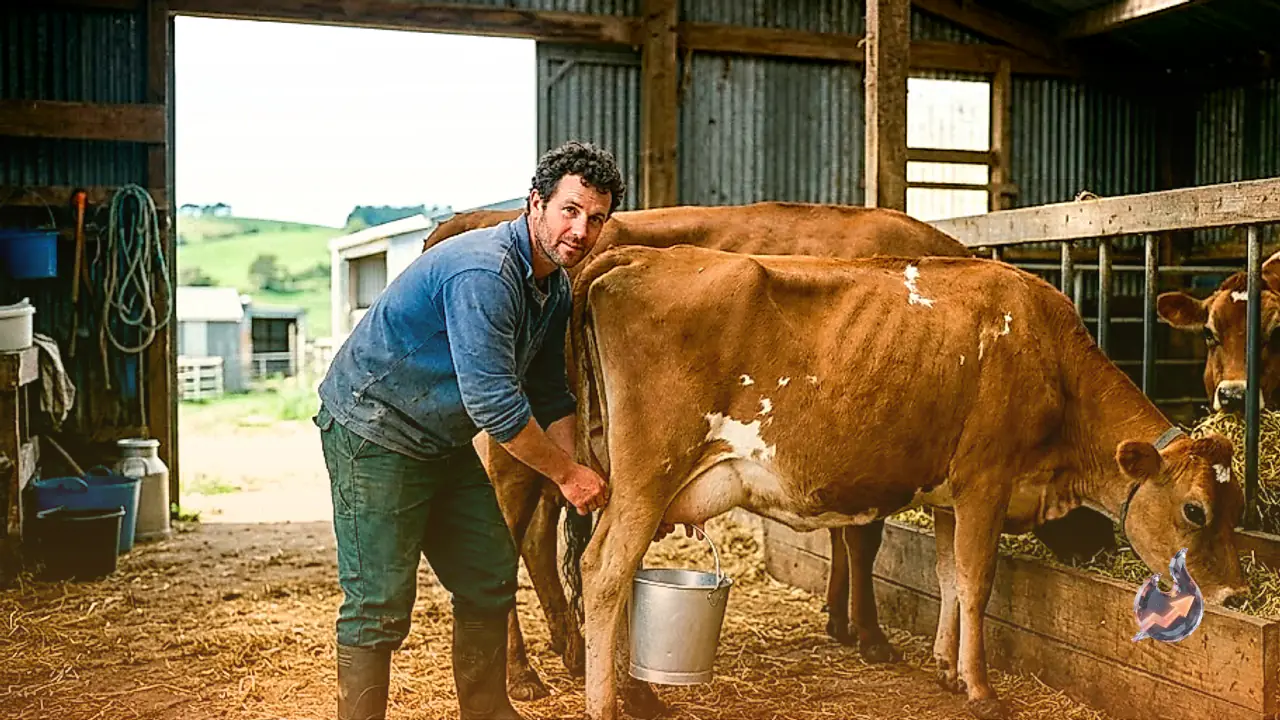
















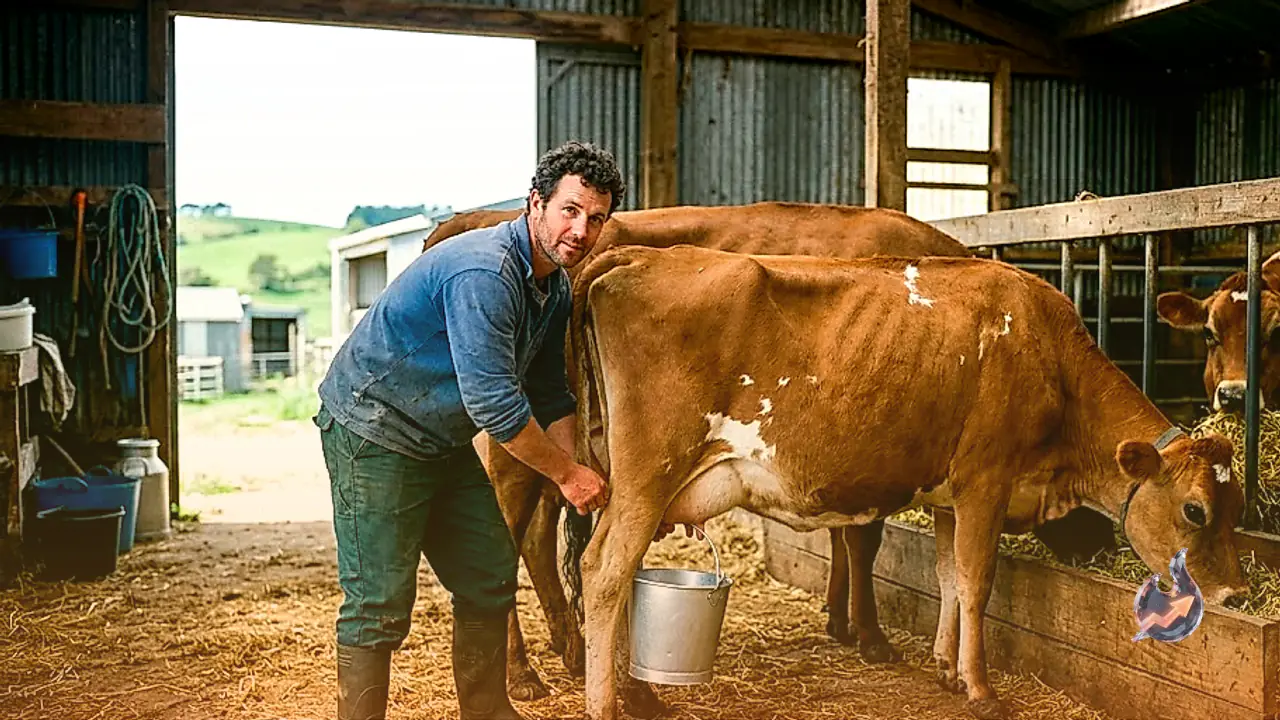

Animal husbandry can prove to be an excellent and reliable source of income for farmers living in rural and remote areas. At a time when rural youth often face limited employment opportunities, starting a small-scale dairy business by raising cows, buffaloes, or goats can be a remarkably sound step. There is absolutely no need for a massive shop or heavy initial capital to get this venture off the ground. Farmers can comfortably begin their journey with just 2 to 4 milking animals to test the waters. However, before purchasing any livestock, it is vital to carefully consider essential factors such as the local market for selling milk, the availability of fodder, and the overall health of the animals. Furthermore, authorities and various government bodies offer targeted assistance to livestock owners through multiple beneficial schemes, including animal insurance, the Kisan Credit Card, breed improvement initiatives, and dairy infrastructure development funds.
Understanding the Market and Milk Sales
Before launching a dairy enterprise, a farmer must have a clear understanding of where and at what price the produced milk can be successfully sold. If there is a dependable local market nearby consisting of local milk collection centres, tea stalls, sweet shops, or the option to supply milk directly to households, selling milk becomes remarkably hassle-free. Securing this kind of local market ensures a smooth and continuous supply of milk, paving the way for regular daily income and keeping the business financially stable without cash flow bottlenecks.
Ensuring Proper Fodder Management
Making comprehensive arrangements for animal feed before starting a dairy business is an absolute necessity. Having a regular supply of green fodder, dry fodder, and balanced cattle feed according to the nutritional needs of the animals keeps their health in prime condition and ensures that milk production remains unaffected. If the farmer owns agricultural land, cultivating green fodder directly on their own farm can drastically reduce the heavy expenses associated with purchasing feed from the open market. Better feed quality directly translates to healthier cattle and more consistent yields.
Breed Selection and Animal Healthcare
The selection of the right animal breed plays a profoundly critical role in the success of any dairy venture. Purchasing healthy and high-yielding milking animals helps maintain optimal dairy output. While buying cattle, one must thoroughly inspect the animal's age, physical health, daily milking capacity, and past milk production records. Additionally, ensuring timely vaccination of the livestock and providing prompt medical treatment upon the onset of any illness is mandatory. Taking these proactive steps keeps the animals disease-free and minimizes potential financial losses in the dairy business.
Expanding the Business Through Experience
After starting on a modest scale with just a handful of animals, farmers can gradually increase the size of their herd as their operational experience grows over time. If a reliable market for milk sales is secured, adequate fodder supplies are maintained, and proper attention is paid to livestock health, animal husbandry can easily transform into a steady livelihood for the entire household. Through correct planning, dedication, hard work, and efficient management, a dairy enterprise initiated on a small scale in a rural village can eventually evolve into a large and highly profitable commercial business.