
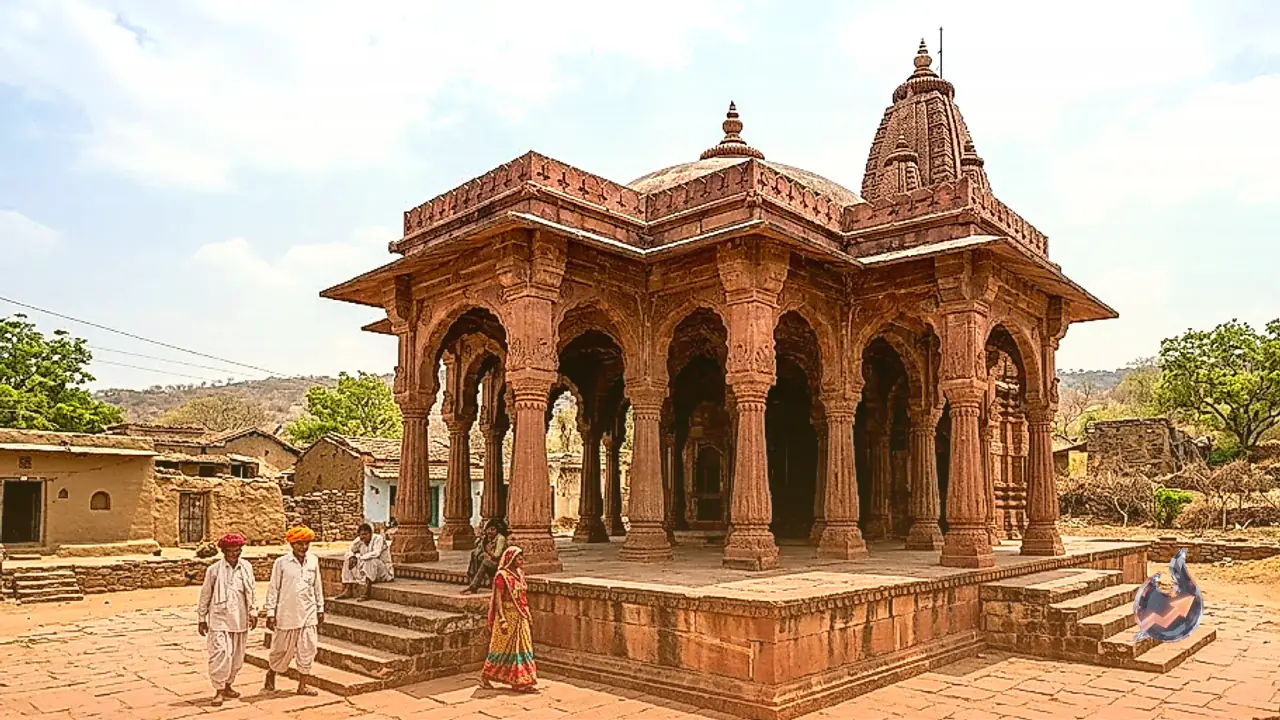
















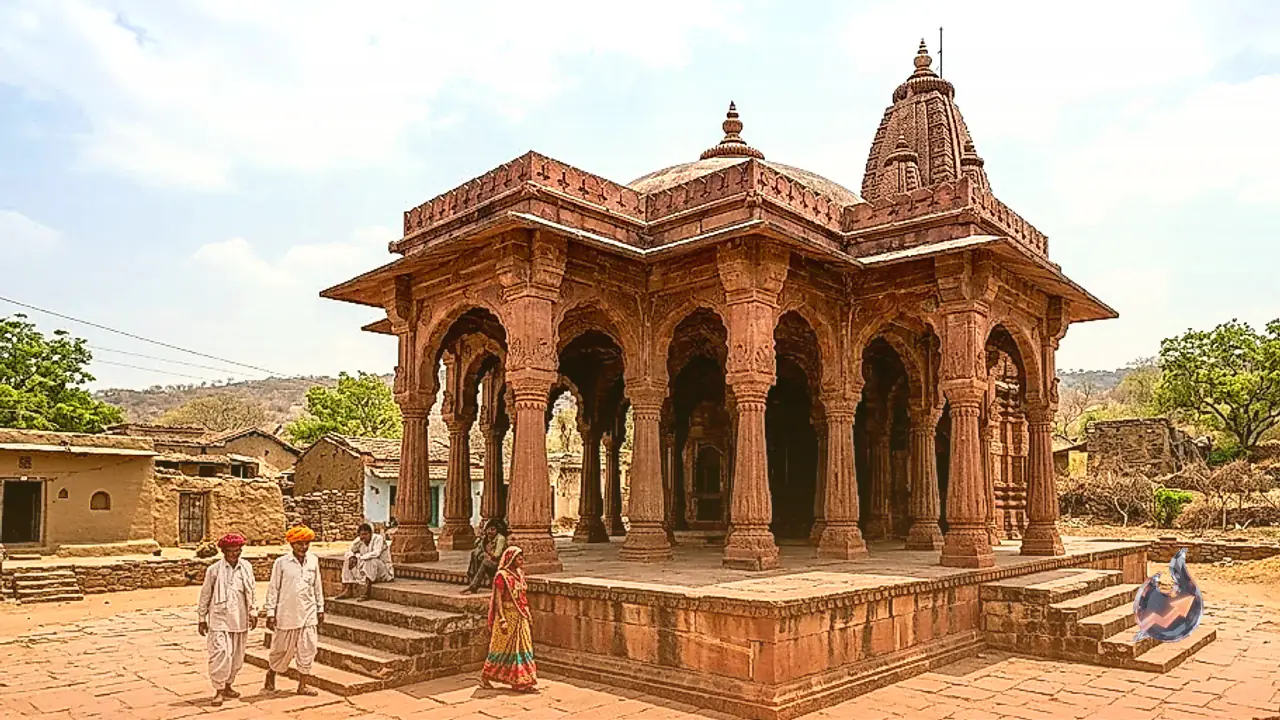

Rajasthan's Karauli district houses a remarkable convergence of ancient architecture and spiritual heritage that remains relatively unknown to many travelers. Situated roughly 30 kilometers away from Karauli in the heart of Bhankri village, a nearly 500-year-old temple dedicated to Maharishi Ved Vyas preserves its historical identity and religious legacy to this day. Local residents affectionately refer to this sacred shrine as the 'Bada Mandir'.
Constructed approximately five centuries ago by the Vyas families of the village, locals regard this sanctuary as the sole temple dedicated to Maharishi Ved Vyas within the state of Rajasthan. Tradition holds that Maharishi Ved Vyas systematized the Vedas, making them accessible and comprehensible to the general public. His revered name is intrinsically tied to major Hindu scriptures including the Mahabharata and the Srimad Bhagavata. Consequently, visiting the Bhankri temple for darshan and the recitation of Vedic mantras carries profound spiritual significance for devotees.
According to local resident Janardan Upadhyay, the establishment of the shrine dates back about 500 years through the collective efforts of the village Vyas community. The temple sanctum houses an approximately 3-foot-tall asthadhatu idol of Maharishi Ved Vyas. In addition, an idol of Sankat Mochan Hanuman serves as another major focal point of devotion for visiting pilgrims. Worshippers travel from nearby regions as well as distant cities to seek blessings from both divine statues.
Pilgrims arrive at the ancient sanctuary not only from adjacent villages but also from distant urban centers including Jaipur, Delhi, and Alwar. Temple priest Radheshyam Sharma explains that devotees harbor deep faith regarding the worship and darshan of Maharishi Ved Vyas at the site. Believers hold that reciting Vedic verses within the temple helps alleviate hardships and fulfills heartfelt prayers.
The most distinctive feature of the shrine lies in its unique architectural style. The entire building rests securely upon 16 sturdy pillars. Its construction incorporates large and heavy blocks of red stone. According to local accounts, stone blocks measuring roughly 7 to 8 inches in thickness were fitted together to erect the temple without using any mortar, lime, or cement. Despite enduring centuries of weathering, this ancient structural engineering continues to captivate visitors.
Beyond ordinary days, special worship ceremonies take place at the temple on full moon nights and major festivals. The priest notes that offerings presented to Maharishi Ved Vyas include kheer-poori, halwa, ladoos, and panchamewa. Rituals are conducted morning and evening accompanied by traditional bell ringing. The resonant chanting of mantras creates a deeply devotional atmosphere throughout the temple grounds all day long.
The enduring structural integrity of the nearly five-hundred-year-old temple remains a source of wonder for observers. Built using traditional techniques, the sanctuary maintains its original form largely intact despite the passage of centuries. The sophisticated masonry and sturdy stone usage stand as a testament to ancient architectural skill and craftsmanship.