



















Mulching Technique Cuts Irrigation Water Use by 50 Percent and Lowers Farming CostsRajasthan
17 Sept 2026, 1:03 pm (6 hours ago)· 0

Mulching Technique Cuts Irrigation Water Use by 50 Percent and Lowers Farming Costs

Modern farming turns to mulching technology to conserve up to 50 percent of irrigation water and eliminate unwanted weeds while significantly reducing manual labor costs.

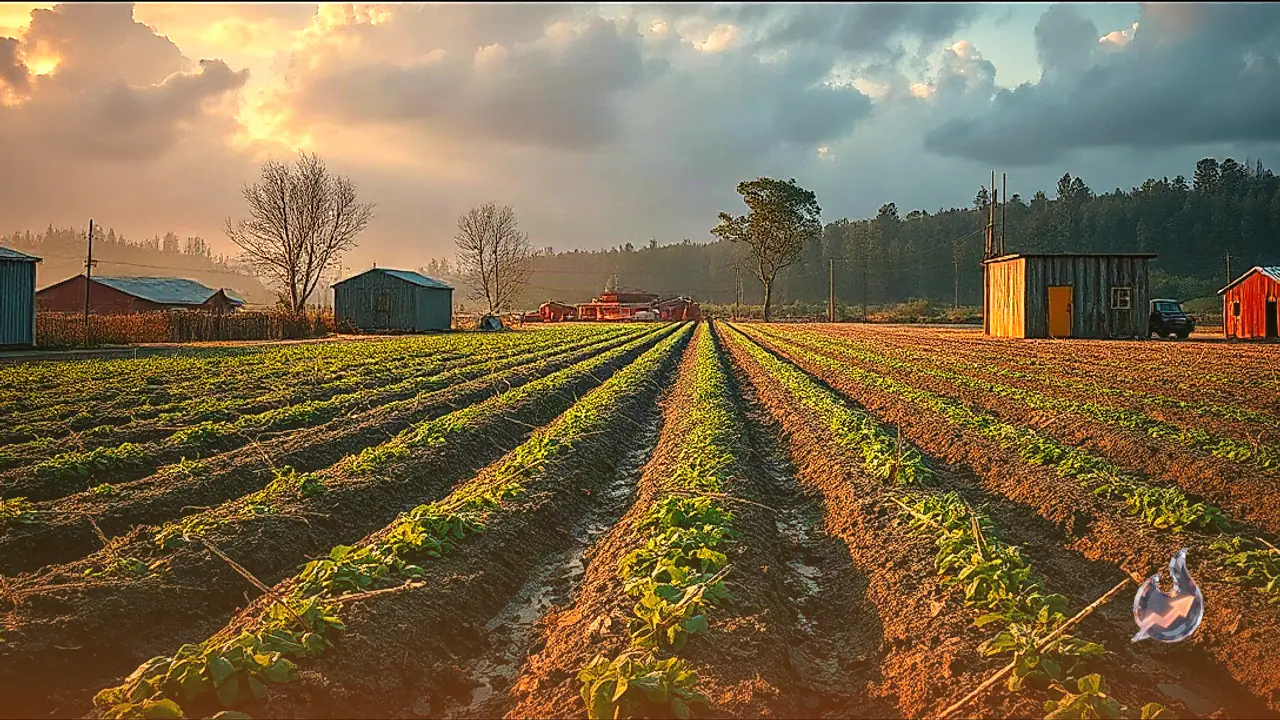
Modern agricultural practices are increasingly shifting toward techniques that minimize input costs while optimizing overall crop yields. Among these methods, mulching has emerged as a highly effective approach for sustainable crop management. This technique involves covering the soil surface around the bases of growing plants using organic materials like straw and dry leaves, or synthetic plastic sheets. Covering the root zone shields the subterranean system from environmental stressors and biological hazards.

Substantial Reductions in Irrigation and Costs

The primary operational benefit of implementing mulching lies in its remarkable capacity for water conservation. By keeping the topsoil covered, direct exposure to sunlight is minimized, significantly reducing the rate of moisture evaporation. As a result, the soil maintains optimal moisture levels for extended periods, reducing the frequency of required watering cycles. Studies indicate that irrigation water requirements can be reduced by 30 to 50 percent, allowing farmers to trim pumping costs and lower overall operational expenses.

Also read

Effective Weed Suppression and Lower Labour Expense

Mulching serves as a strong physical barrier against the growth of unwanted weeds across fields. When protective sheets cover the soil, sunlight is prevented from reaching weed seeds, inhibiting their germination and active growth. Consequently, the reliance on repetitive manual weeding and hoeing is greatly diminished, providing farmers with direct savings on labor wages. Furthermore, this barrier offers secondary protection by minimizing exposure to soil-borne pests and fungal infections that often damage vulnerable crops.

Soil Health Preservation and Thermal Protection

Maintaining soil quality and regulating root zone temperatures are critical outcomes of proper mulching. The protective layer stabilizes soil temperatures across seasons, protecting delicate roots from severe frost during winter months and shielding them from extreme heatwaves during summer. In addition, the underlying soil remains soft and uncompacted, creating ideal conditions for root expansion and nutrient absorption. During periods of heavy rainfall, the layer also acts as an erosion control mechanism, preventing valuable topsoil from washing away.

Maximized Benefits for Vegetable Cultivation

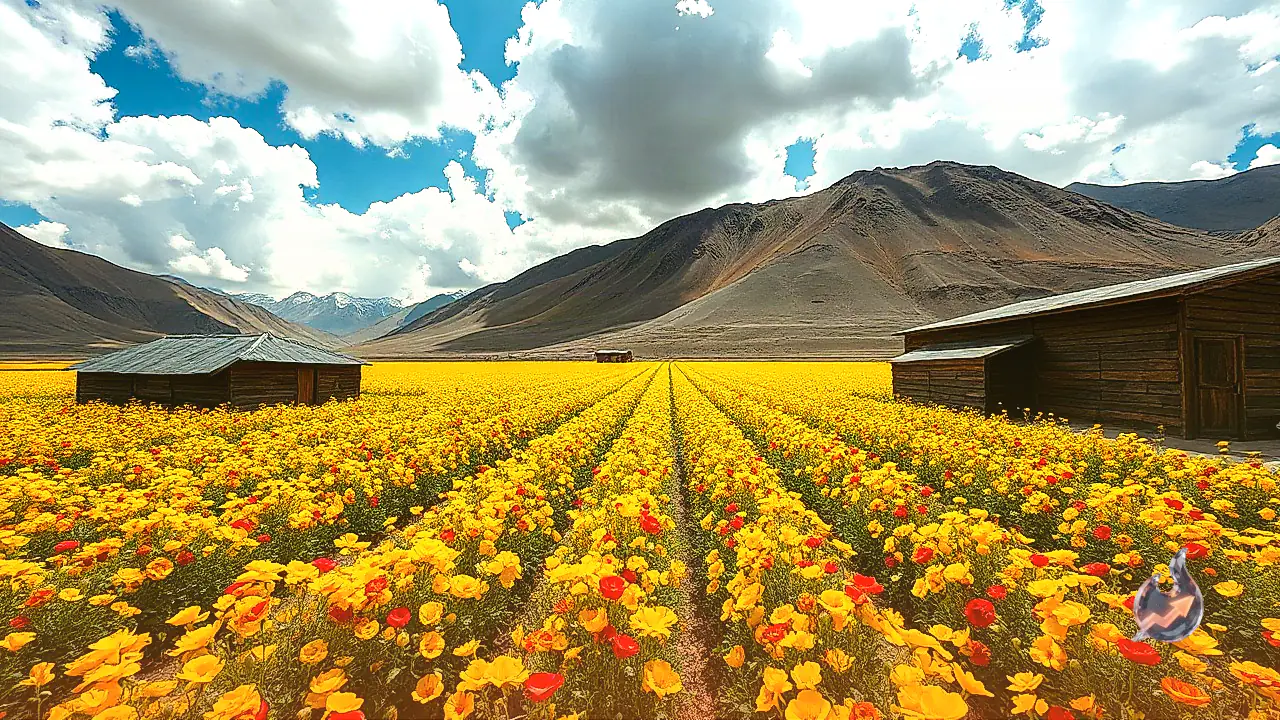
While various agricultural domains benefit from mulching, vegetable production records particularly high efficiency gains. High-value crops such as tomatoes, chillies, muskmelons, and watermelons show improved growth under mulched conditions due to optimized moisture and reduced weed competition. Lower input costs combined with healthier plant development lead to better product quality and elevated harvest volumes. In regions experiencing groundwater scarcity, adopting mulching provides an essential pathway to maintaining agricultural productivity while using resources responsibly.


Questions & Answers

What is the mulching technique in agriculture?
Mulching involves covering the soil around crop roots with organic materials like straw and dry leaves, or with plastic sheets.
How much irrigation water can be saved using mulching?
Using mulching can reduce irrigation water consumption by approximately 30 to 50 percent.
Does mulching help control weeds?
Yes, by blocking sunlight from reaching the soil, it prevents unwanted weeds from growing and reduces manual labor costs.
Which crops benefit the most from mulching?
Mulching is particularly beneficial for vegetable crops such as tomatoes, chillies, watermelons, and muskmelons.

Comments 4

Ravikash Gupta@ravikash·3h ago

Input costs and water scarcity represent two of the biggest financial risks in Indian agriculture, directly impacting rural economics and agri-tech startup valuations. Adopting practices that cut irrigation water usage by up to 50% and lower labor expenses significantly strengthens farmers' operating margins, providing a much-needed financial equilibrium for sustainable agricultural investments and micro-economic growth.

Arjun Mehta@arjun-mehta·3h ago

Input costs and the water crisis represent two of the greatest financial risks in Indian agriculture, directly impacting the rural economy and the valuations of agri-tech startups. Achieving up to 50 percent water savings and reduced labor costs through techniques like mulching not only strengthens farmer margins but also provides a new financial equilibrium for sustainable investment and the micro-economy in the agricultural sector. From a policy perspective, integrating such resource-conservation methods into large-scale government frameworks can help manage fiscal pressures while rendering farming structurally viable over the long term.

Karan Malhotra@karan-malhotra·5h ago

In agrarian regions, water scarcity frequently triggers local disputes, legal litigations, and law and order issues among farming communities. By cutting groundwater demand, modern methods like mulching not only lower cultivation costs but can also significantly mitigate inter-farmer conflicts over irrigation sharing. Ensuring proper legal safeguards and transparent administration for such agricultural initiatives will be crucial in preventing resource-based rural unrest and public safety challenges in the long run.

Rohan Verma@rohan-verma·5h ago

I completely agree with Karan's analysis. In regions like Bundelkhand and parts of Western UP, disputes over irrigation schedules and tubewell access frequently escalate into governance and law-and-order challenges for local authorities. If the agriculture department ensures transparent distribution of mulching incentives and kits to smallholders via Direct Benefit Transfer (DBT), it will not only reduce groundwater extraction but also curb resource-driven conflicts in rural communities. Robust policy execution at the grass-roots level is vital for turning this agricultural practice into a tool for social stability.

Citizen journalism

Become a TrendKia journalist

Voice of the people

Share news, photos and videos from your area with TrendKia and let your voice reach the nation. Every citizen a journalist.

Join now
CH 01 LIVE
TrendKia TV ON AIR