





















Agricultural activities in India remain highly dependent on weather patterns, presenting significant challenges to farmers who rely on traditional open-field methods. In Deoghar, a substantial portion of the population continues to depend heavily on farming to sustain their livelihoods. While some cultivators adhere to traditional staples such as paddy and wheat, an increasing number of farmers are turning to vegetable cultivation as a viable way to enhance their financial earnings. However, the unpredictability of nature remains the biggest obstacle in this pursuit, with sudden changes in weather threatening to destroy entire crops and wipe out hard-earned investments.
The Vulnerability of Open Field Vegetable Cultivation
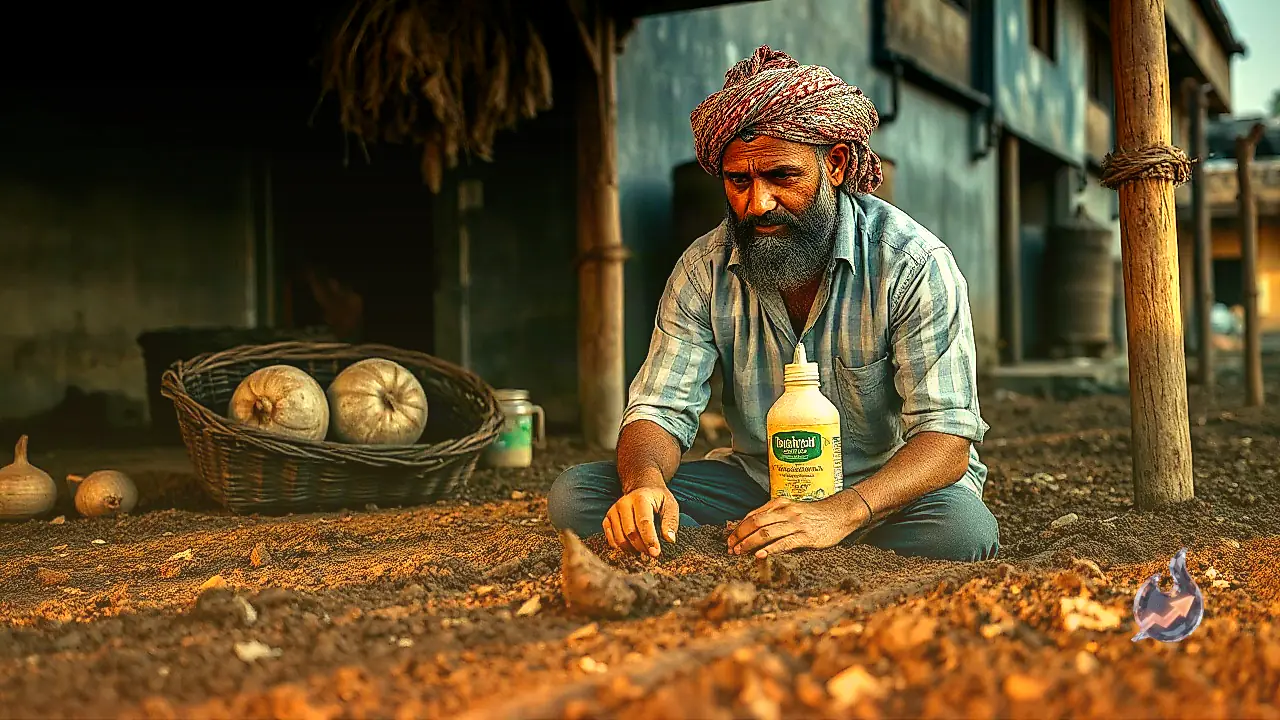
Cultivating crops in open fields leaves them completely exposed to environmental hazards. Vakil Yadav, a local farmer and agricultural professional based in Deoghar, points out that open-field cultivation of delicate crops like vegetables is highly risky when weather patterns fluctuate suddenly. Unseasonal rainfall can cause waterlogging in the fields, leading to root rot and the complete decay of vegetable plants. On the other hand, prolonged dry spells and drought-like situations can dehydrate the soil, severely stunting plant growth. Additionally, extreme sunlight, sudden hailstorms, and rapid fluctuations in temperature can easily devastate mature crops, leaving farmers with immense financial losses and no return on their labor or seed costs.
Understanding the Role of Polyhouses, Greenhouses, and Shade Nets
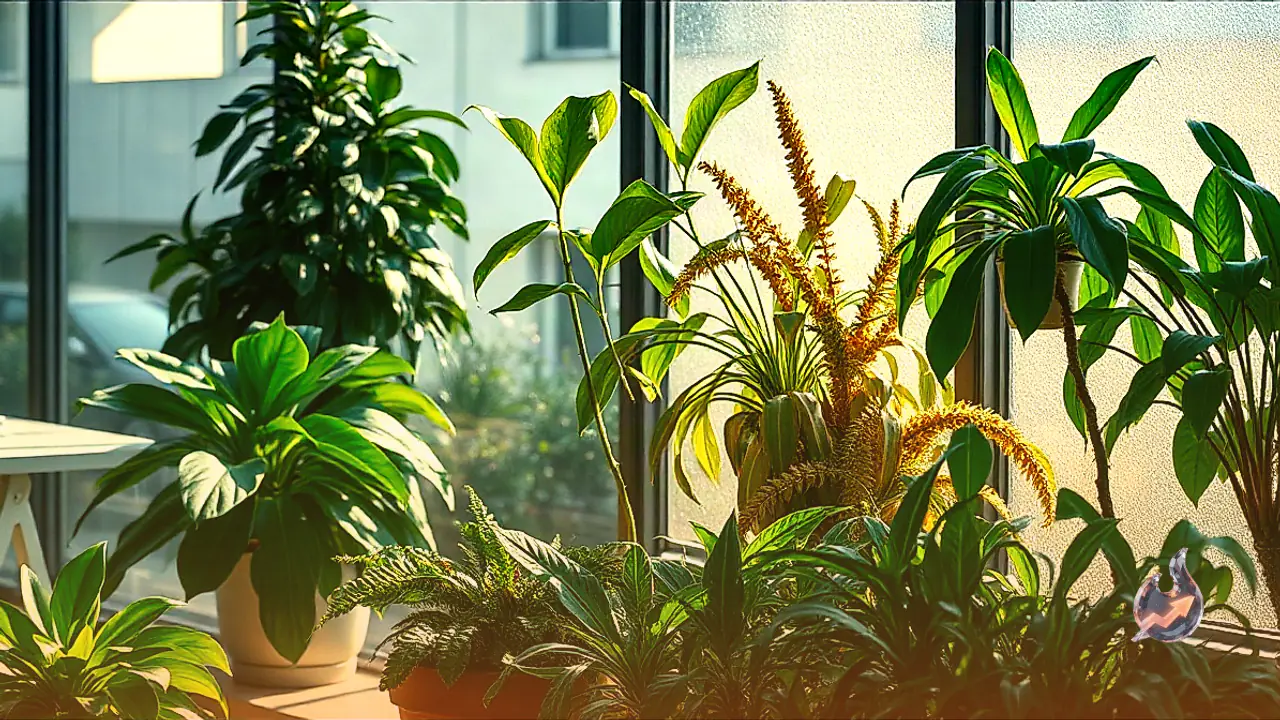
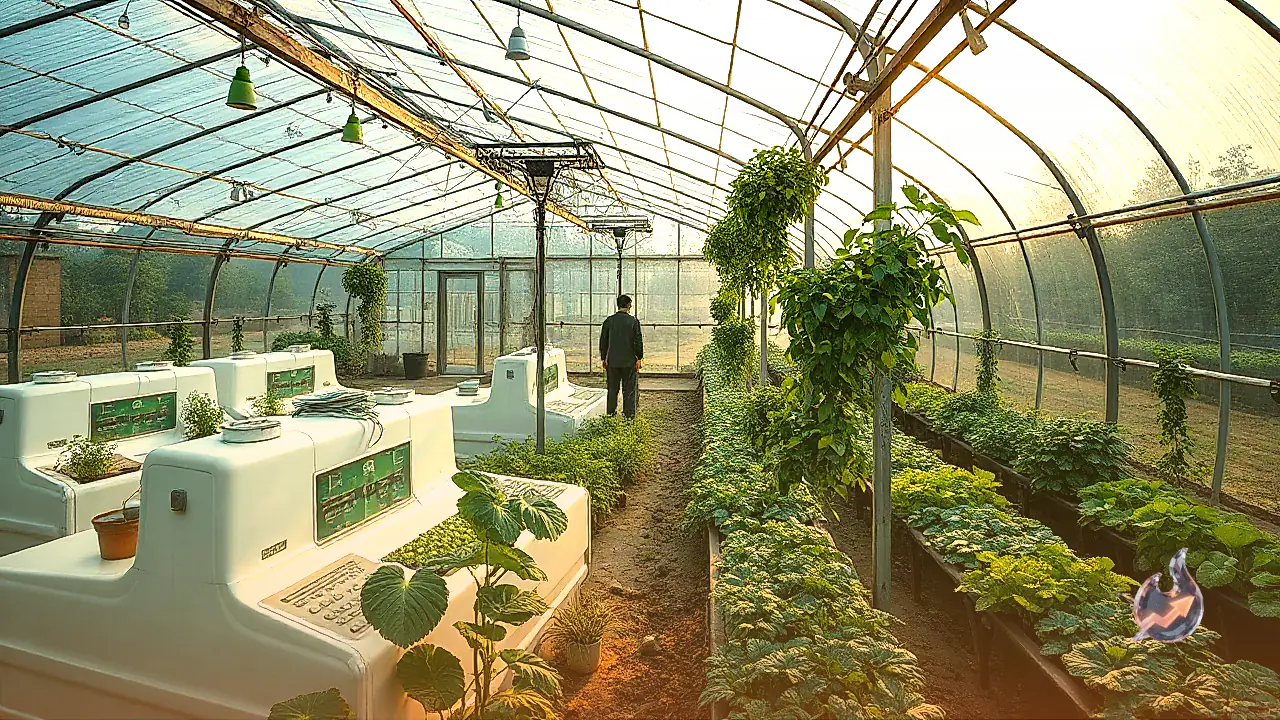
To mitigate these persistent climatic challenges, modern agricultural structures such as polyhouses, greenhouses, and shade nets are emerging as highly effective alternatives. These setups allow farmers to move away from complete reliance on seasonal conditions and manage their crops in a controlled environment. Vakil Yadav explains that a polyhouse acts as a physical shield, protecting crops from external weather hazards like heavy winds, torrential rains, and frost. Similarly, a greenhouse plays a critical role in regulating internal temperatures, creating a stable and optimal microclimate that accelerates plant growth and improves crop quality. Shade nets are equally valuable, especially for sensitive plants, as they diffuse harsh sunlight and protect the crops from excessive heat during the peak summer months.
Substantial Government Support and Subsidies for Farmers
Adopting these modern farming structures requires an initial financial investment that might seem daunting to average farmers. Recognizing this barrier, the government has introduced supportive schemes to encourage the adoption of protective cultivation techniques. Under these initiatives, farmers can receive significant financial assistance, with subsidies ranging from 50 percent up to 80 percent of the total installation costs. This means that farmers do not have to bear the financial burden of setting up polyhouses or greenhouses entirely on their own. Interested cultivators can approach their local Horticulture Department, Agriculture Department, or Cooperative Department to obtain detailed information regarding eligibility criteria, available subsidy structures, and the step-by-step application process.
Transitioning Toward Year-Round Production and Financial Security
By shifting from vulnerable open fields to these protected structures, farmers can transition toward more stable and organized agricultural practices. This modern approach enables year-round vegetable production, allowing farmers to cultivate off-season crops that command higher prices in the local market. Reducing dependency on natural rainfall and ambient temperatures ensures a consistent supply of produce, thereby stabilizing agricultural income. Ultimately, integrating polyhouses, greenhouses, and shade nets into traditional farming systems empowers cultivators in Deoghar to secure their livelihoods, minimize crop damage, and significantly boost their overall profits.