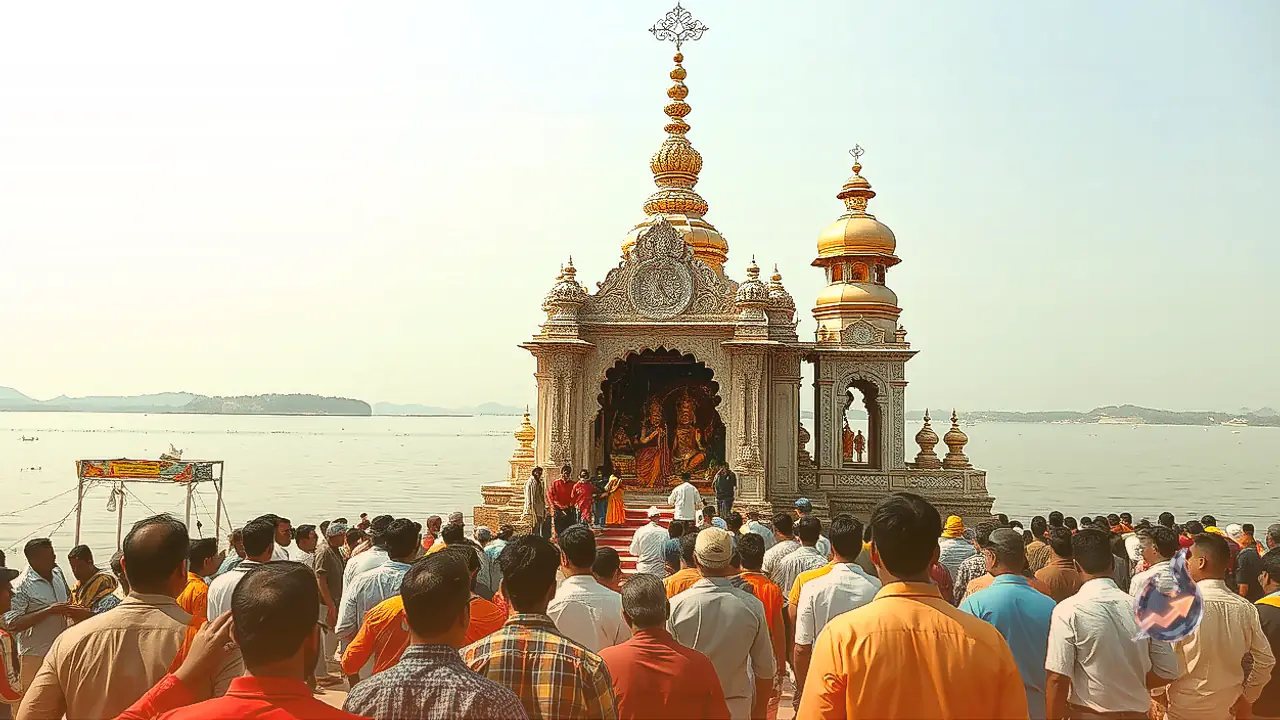
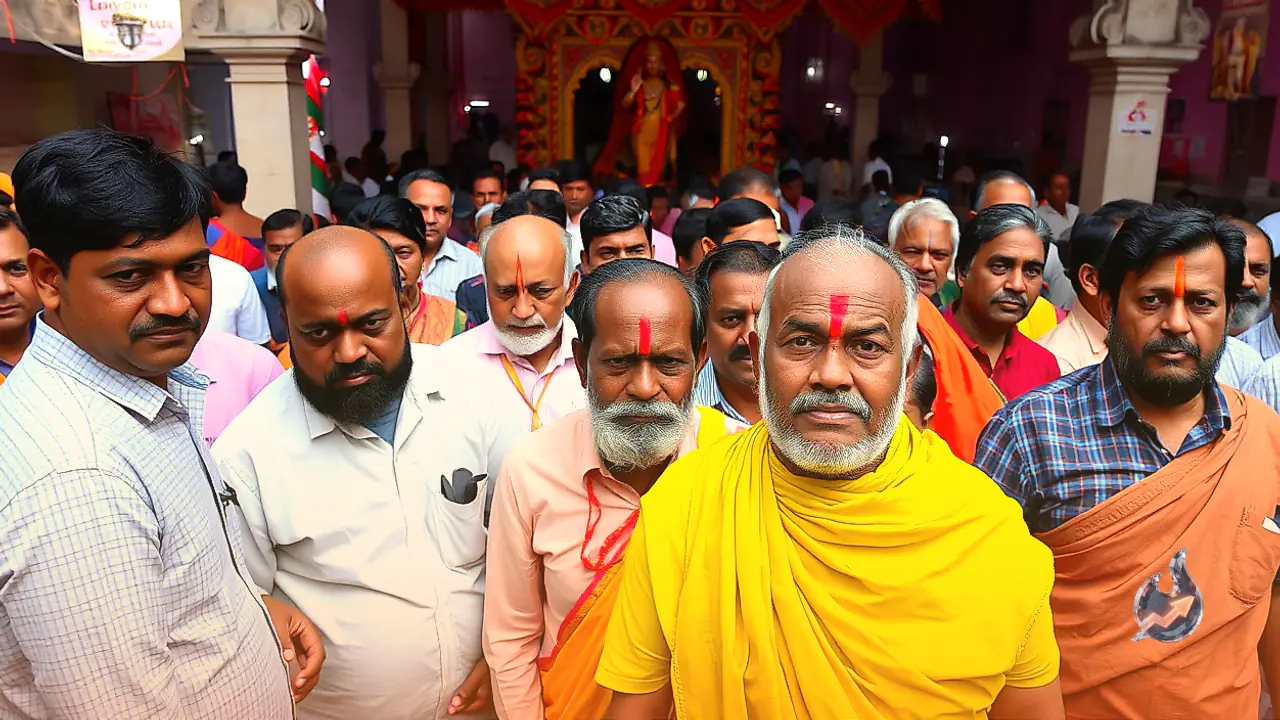


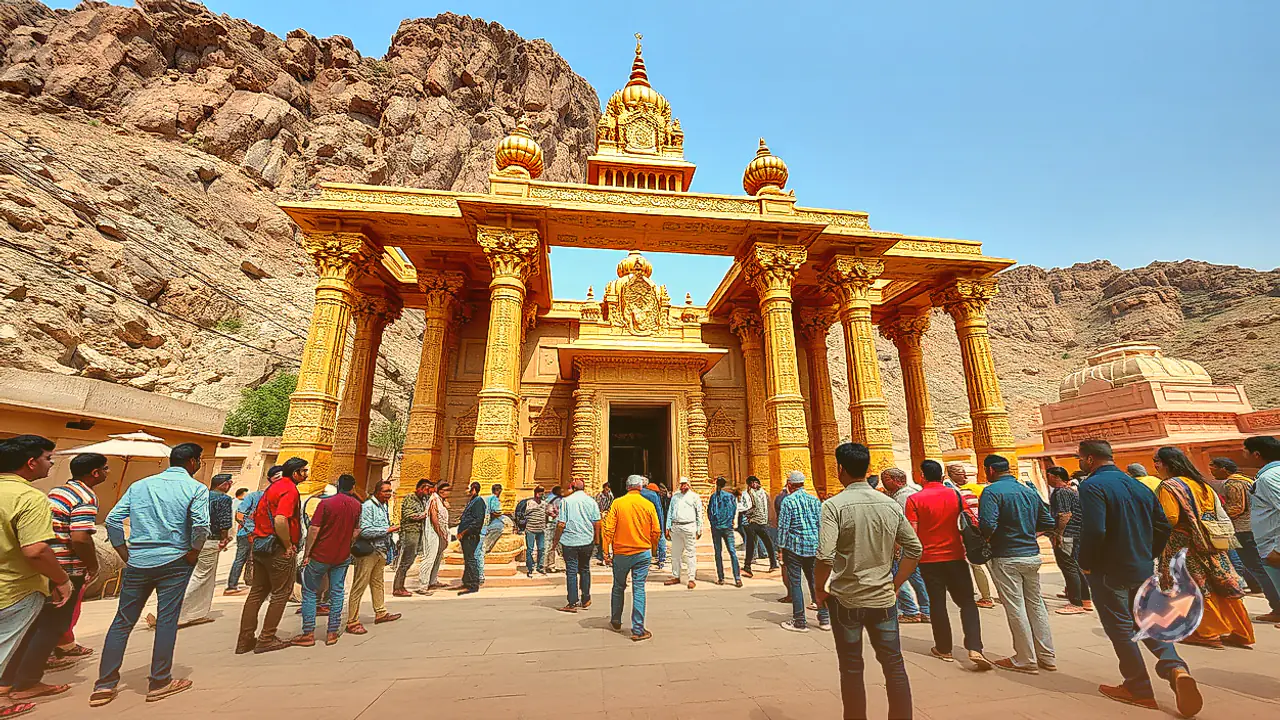














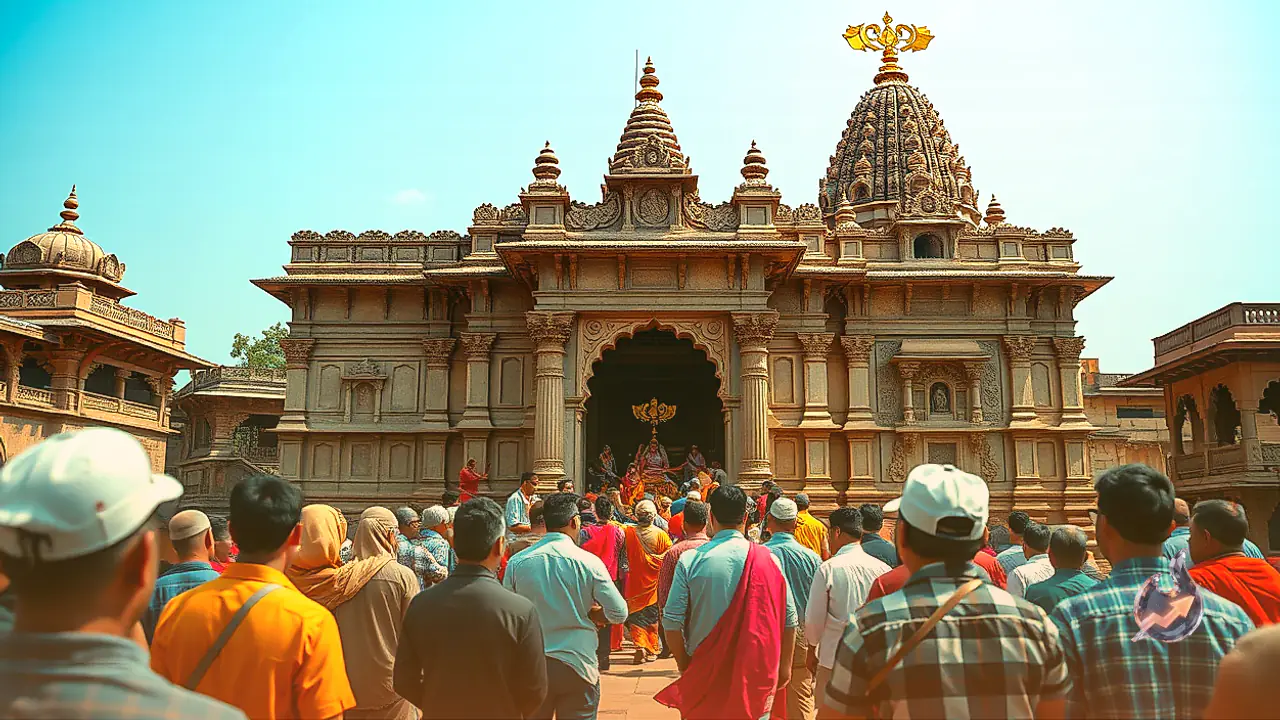

The historic Lohagarh Fort in Bharatpur, Rajasthan, has long commanded widespread renown across India for its unconquered defenses and formidable military architecture. Yet the legacy of this fortress extends far beyond its ramparts and deep trenches, intertwined deeply with several sacred sanctuaries linked directly to the royal household and the traditional beliefs surrounding the fort’s defense. Among these venerated landmarks is a nearly 300-year-old shrine situated in the Chauburja locality of Bharatpur, commonly revered as the Twin Ganesha Temple. The defining feature of this ancient sanctuary is the presence of two distinct idols of Lord Ganesha enshrined side by side within the sanctum, an arrangement that has earned the site distinct spiritual prominence both within India and overseas.
Dual Idols Regarded as an Impenetrable Shield for Lohagarh
According to long-standing religious customs and community lore, the twin sacred figures hold an exceptional place in the region's spiritual history. Local residents and observers of the city’s heritage look upon these adjoining deities as an invulnerable shield protecting the unconquered ramparts of Lohagarh Fort. The temple priest explains that during the princely era, whenever the royal rulers and state troops mobilized for military expeditions or armed conflicts, stopping at this shrine prior to entering the battlefield was an indispensable practice. Before heading into active warfare, commanders and soldiers routinely gathered here to pay homage and seek divine benevolence.
Faith in Victorious Campaigns and Battlefield Protection
Underpinning this ritual was the deep-seated conviction that securing the benevolence of Lord Ganesha, the remover of obstacles, virtually guaranteed triumph while securing the safe conduct of the troops. Through this enduring military and spiritual tradition, the Twin Ganesha shrine became inextricably tied to the political trajectory of Lohagarh and the martial customs of Bharatpur's royal lineage. Although the physical environs of the fort and the surrounding urban landscape have evolved considerably across subsequent centuries, the reverence commanded by this shrine has endured without diminution.
A Confluence of Historic Lore and Modern Devotion
In modern times, the temple attracts not only neighbourhood residents but also numerous devotees and travelers arriving in Bharatpur from distant regions. Pilgrims bow before the dual statues to petition for household peace, individual success, and protection from life's adversities. Representing an unbroken tradition spanning over three centuries, the shrine preserves a vital living link to the martial narrative of Lohagarh. For the inhabitants of the historic city, this sacred compound remains far more than an ordinary house of prayer, serving as a lasting symbol of the fortress’s legendary resilience and enduring spiritual conviction.