















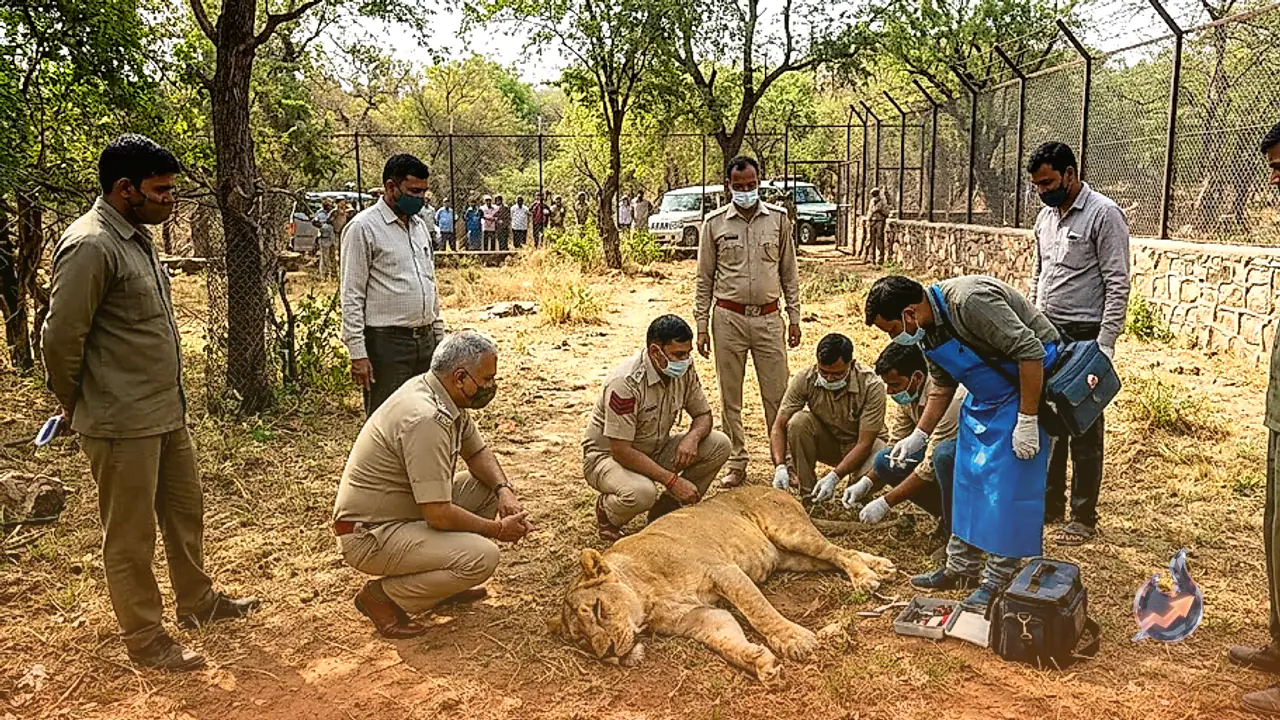

The Machia Biological Park in Jodhpur suffered a major loss on Friday morning following the death of its lone 14-year-old lioness. Her passing brings an end to a vibrant chapter in the reserve's wildlife history, leaving staff and wildlife enthusiasts deeply saddened. Following standard protocols, a panel of senior veterinary doctors carried out a formal post-mortem examination, after which her final rites were performed within the Machia forest block. Deputy Conservator of Forests (Wildlife) Udaram Siyol stated that the big cat had originally been relocated to Jodhpur on March 18, 2016, from the renowned Sakkarbaug Zoological Garden in Junagadh, Gujarat.
A Central Pillar in Wildlife Conservation
During her tenure at the safari, the lioness made substantial contributions to local conservation efforts and captive breeding programs in Rajasthan. She successfully gave birth to three healthy cubs named Riyaz, Kailash, and Lakshmi, whose arrivals significantly raised visitor excitement and brought renewed energy to the facility. A notable detail of her legacy is that the solitary male lion currently housed at the Machia Biological Park is her own offspring, cementing her direct lineage within the sanctuary.
Post-Mortem Conducted Under Multi-Agency Oversight
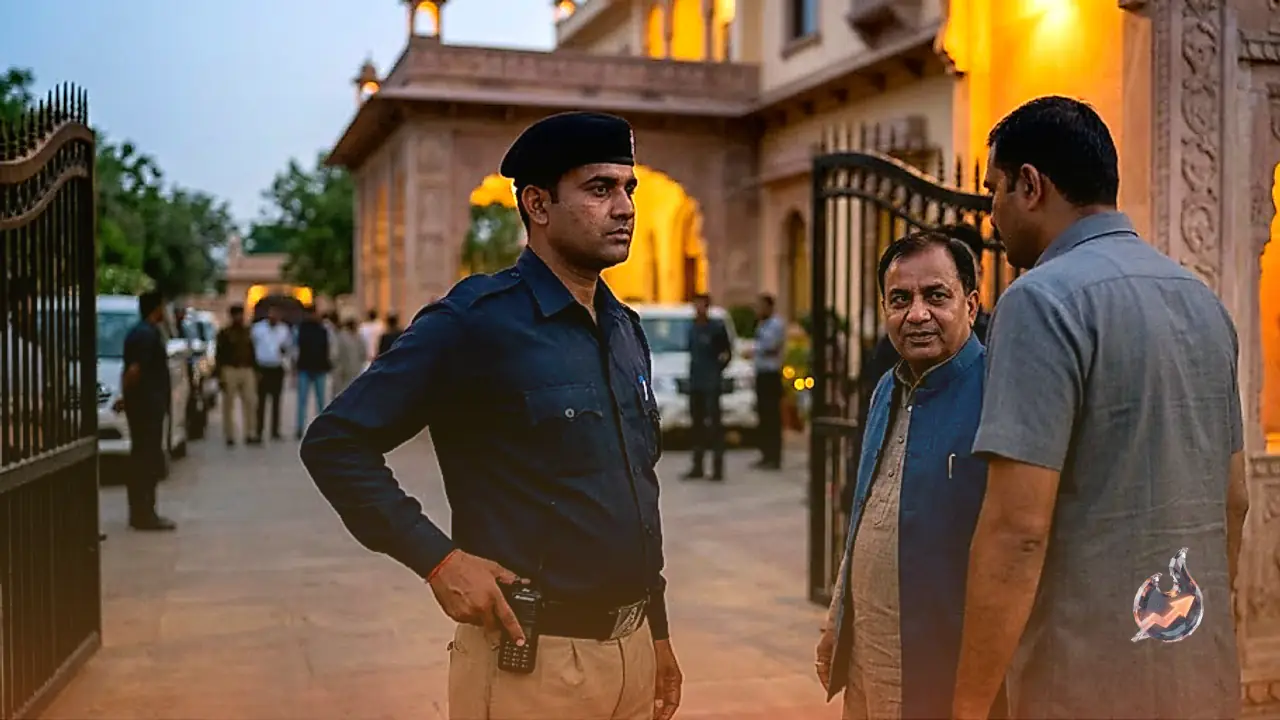
To adhere strictly to wildlife regulations, the autopsy and cremation procedures were conducted in the presence of representatives from multiple government wings. Alongside senior veterinary medical professionals, the Deputy Conservator of Forests, Assistant Conservator of Forests, and the local Range Forest Officer were on site to direct proceedings. The process was formally documented in the presence of an Assistant Sub-Inspector (ASI) representing the police department and a Revenue Inspector (RI) from the revenue department, ensuring full administrative compliance before the remains were consigned to the flames.
Loss of a Major Visitor Attraction
For regular visitors and animal lovers, the lioness represented the central highlight of the park for many years. Her absence creates a distinct void in the sanctuary's daily visitor experience, as her enclosure was traditionally the most frequented spot on the circuit. Without a breeding female on the premises, the park cannot expect the arrival of new cubs in the immediate future. Forest authorities are expected to initiate efforts to procure another female lion from an affiliated facility, which would eventually allow Machia to resume its breeding program and rebuild its pride.