






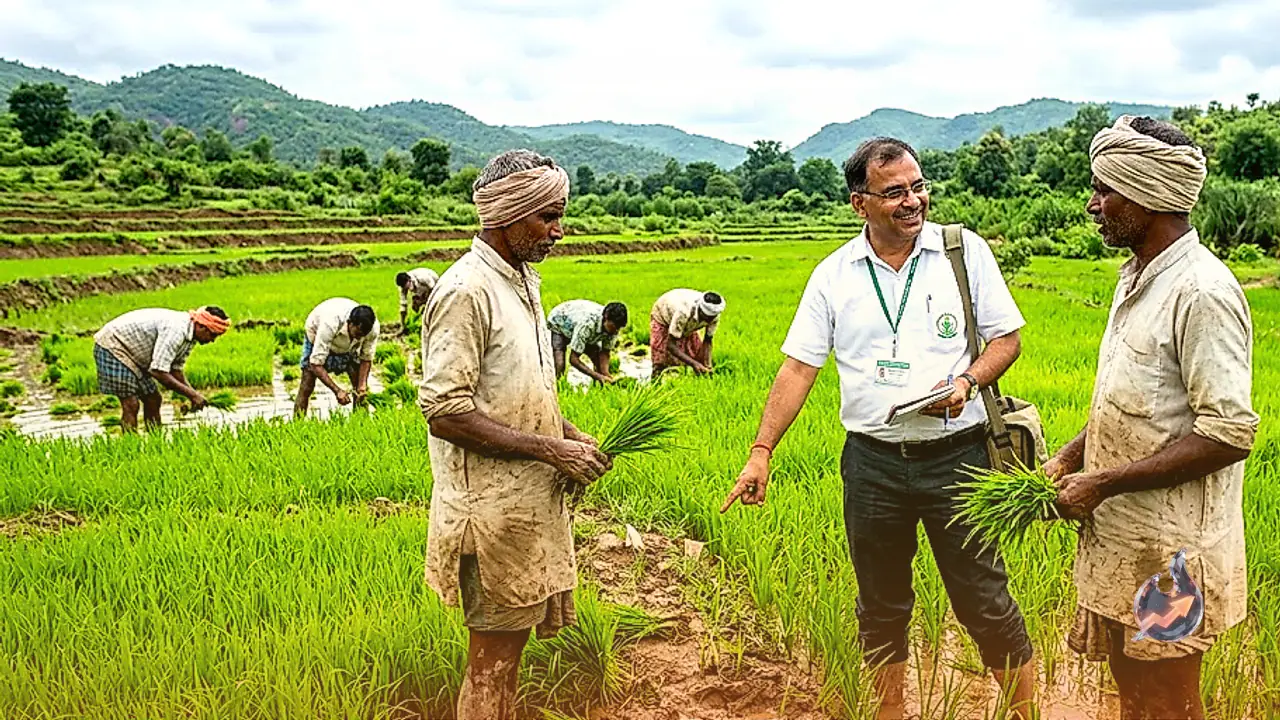














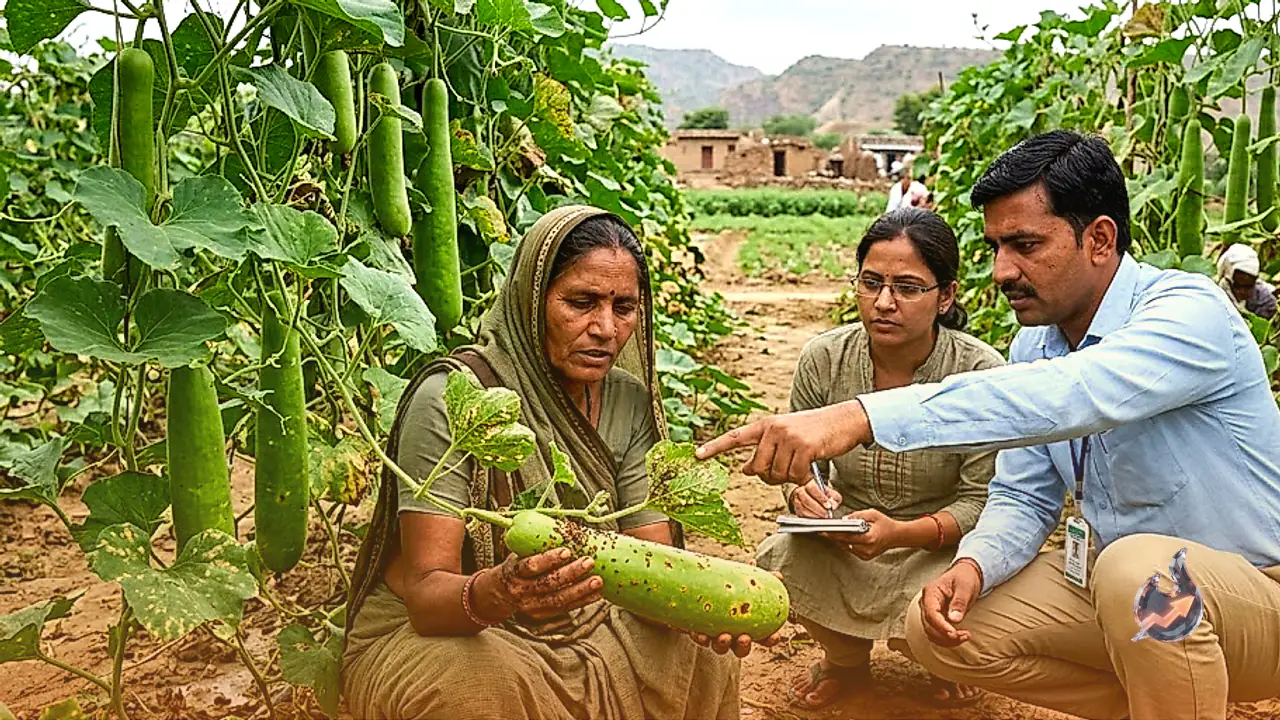

Agricultural operations in the Udaipur district of Rajasthan face new challenges as the monsoon rains slow down. Following the decrease in rainfall, changing weather patterns have heightened the vulnerability of standing vegetable crops to pest infestations and diseases. In many parts of Udaipur, farmers currently have their bottle gourd crops nearing harvest stage. Safeguarding the yield at this critical juncture has become a priority for local cultivators. In response, experts at the Agriculture Center in Udaipur city have issued an advisory urging farmers to maintain strict vigil over their fields. Agricultural specialists emphasize that continuous field monitoring can significantly mitigate crop loss and protect farmers from heavy financial setbacks.
Regular Field Inspection and Early Symptom Detection
According to agricultural scientists, routine inspection of fields serves as the first line of defense against pest attacks on bottle gourd crops. Farmers are advised to examine their fields during the early morning or evening hours, paying close attention to leaves, young shoots, and developing vines. Early signs of pest infestation or disease onset include visible holes in leaves, white or yellow spots across the foliage, or curling of leaf edges. When such symptoms are identified, farmers should immediately mark the affected plants and seek guidance from agricultural experts to apply appropriate remedies before the infestation spreads further.
Managing Fruit Fly Damage and Proper Disposal of Infected Crops
Fruit fly infestation represents a severe threat to bottle gourd cultivation during this transitional weather phase. This pest primarily targets young and developing gourds, piercing the outer skin and causing the fruit to rot internally. Internal decay severely impairs crop quality and drastically reduces total yield. Agricultural experts have warned farmers against leaving decayed or damaged fruits lying in the field. Infected gourds must be removed promptly and destroyed outside the cultivated area, either by burying or burning them, to break the pest's reproduction cycle.
Field Hygiene, Sunlight Exposure, and Irrigation Management
Maintaining overall cleanliness within and around the field is essential for preventing pest proliferation. Experts stress that farmers should eliminate unwanted weeds and clear fallen debris continuously. Keeping the surroundings clean removes potential breeding grounds and shelters for harmful insects. Furthermore, proper spacing between vines must be maintained to ensure adequate airflow and sunlight penetration throughout the canopy. Farmers are also instructed to manage irrigation carefully, applying water strictly as needed and preventing waterlogging, as standing water fosters root rot and fungal infections.
Judicious Use of Pesticides and Pre-Harvest Interval Safeguards
The advisory strongly cautions against the indiscriminate use of chemical sprays upon spotting insects. Farmers should avoid spraying pesticides without accurate identification of the pest type and infestation severity. Control measures, whether biological or chemical, must be selected based on expert recommendations and applied strictly in prescribed doses. Crucially, when bottle gourds are close to the harvesting stage, farmers must observe the required waiting period between pesticide application and picking to prevent chemical residues on harvested produce.
Timely Action Prevents Major Agricultural Losses
Agricultural experts note that weather changes following the abatement of rains create favorable conditions for pest activity. Rather than waiting passively for harvest time, growers must remain proactive through daily crop surveillance. Early detection simplifies pest management and shields farmers from catastrophic crop failures. Farmers encountering unusual crop conditions are encouraged to consult their nearest agriculture center or extension officer before taking remedial action.