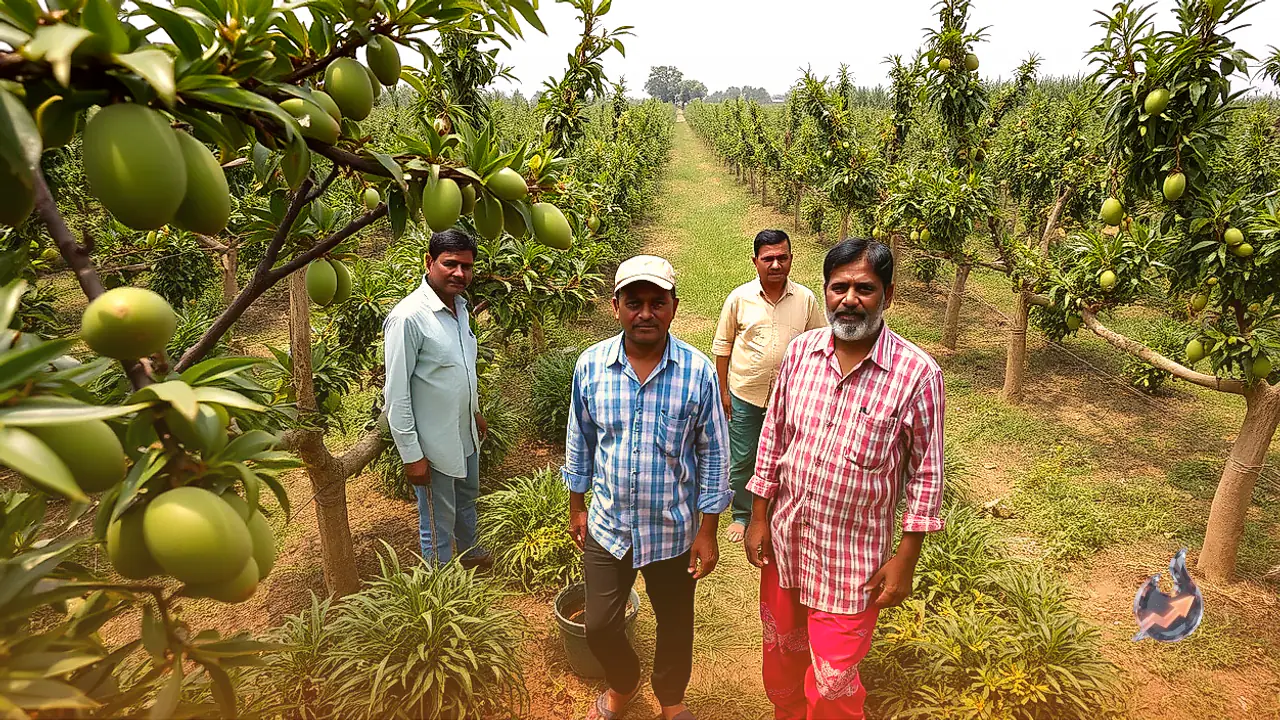






















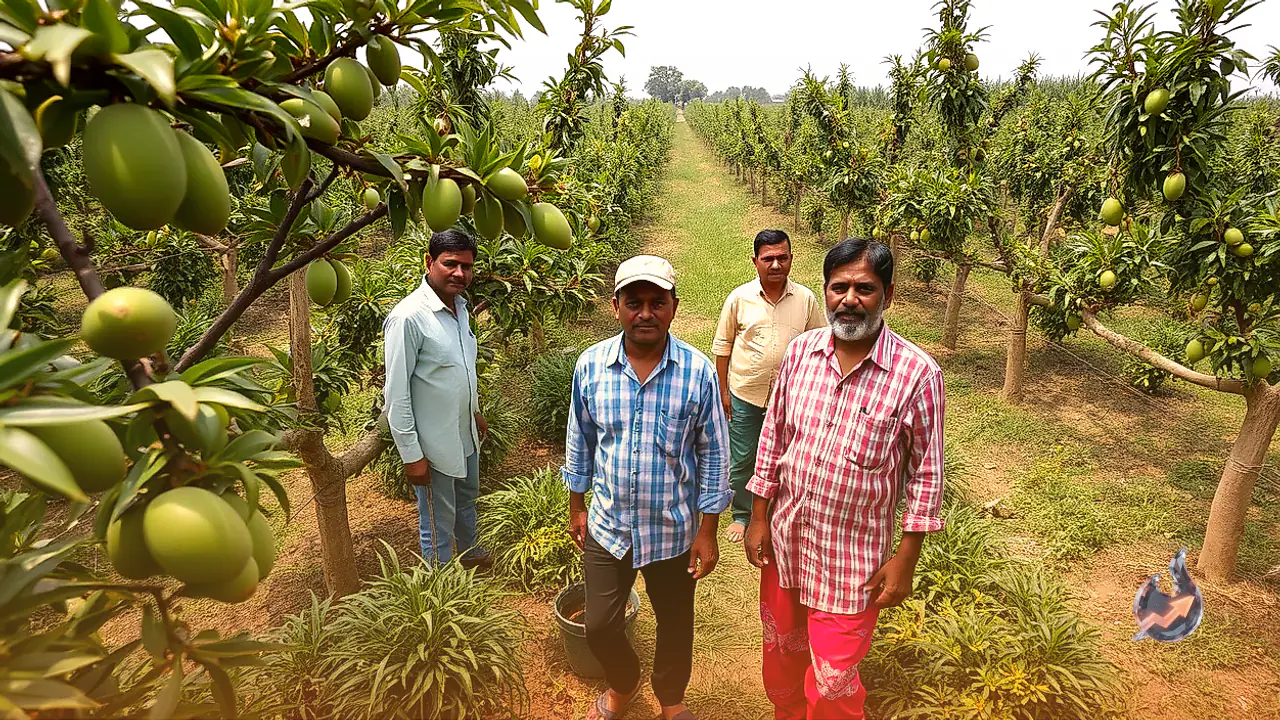

In Nagaur, the conclusion of the rainy season and the completion of the mango harvest mark a crucial turning point for orchard management. The steps taken during this post-monsoon period form the bedrock for next season's flowering and fruit formation. By proactively attending to nutrition, orchard hygiene, moisture levels, and tree structure, growers can ensure vigorous vegetative growth and set the stage for a bountiful crop in the coming year.
Guarding Tree Trunks Against Moisture-Induced Fungal Growth
High moisture levels lingering on tree trunks after persistent rains significantly increase the risk of fungal infections and other bark ailments. Orchard owners must conduct thorough and regular inspections of tree trunks. Should any signs of rotting, discoloration, dark spots, or unusual textures appear on the bark, immediate consultation with agricultural experts is advised.
To build a protective barrier, growers often apply paste mixtures based on slaked lime or copper sulphate as directed by specialists. Adhering strictly to prescribed chemical ratios is vital, as excessive or incorrect chemical concentrations can burn or damage the delicate bark tissue. Care must also be exercised during application to ensure the protective wash does not splash onto the foliage or exposed root systems.
Ensuring Effective Drainage and Regulated Irrigation
Water stagnation inside mango orchards after heavy rains is a primary cause of root rot and destructive soil-borne infections. Cultivators must ensure that drainage pathways across the field are unobstructed and capable of moving excess moisture away from tree bases rapidly.
Subsequent irrigation schedules must be adjusted based on existing soil moisture, ambient weather conditions, and the age of the trees. Orchardists should avoid excessive watering when the ground retains sufficient natural moisture, as maintaining balanced soil aeration is essential for robust root health.
Soil Testing and Balanced Nutritional Supplementation
Gardening expert Hemlata notes that providing balanced nutrition is vital for preserving tree health and boosting structural growth after harvest. Growers are advised to conduct formal soil tests to ascertain the precise nutritional deficiencies of their land before applying any fertilizers. Incorporating well-decomposed farmyard manure or vermicompost significantly enriches the organic texture and microflora of the soil.
If soil analysis reveals shortages of essential nutrients such as zinc, boron, magnesium, or potash, these should be supplemented in specific doses recommended by agricultural authorities. After applying organic or inorganic nutrients around the drip line, the material should be properly covered with topsoil, followed by a light watering to facilitate nutrient uptake.
Systematic Pruning of Weak and Diseased Branches
A comprehensive assessment of the canopy is essential once the rains subside. Growers should systematically prune away branches that are dry, cracked, diseased, or rubbing against adjacent limbs. Branches hanging too close to the ground should also be trimmed to elevate the canopy.
Opening up the inner canopy allows vital sunlight and circulating air to reach the interior foliage, which discourages pathogens while invigorating new bud growth. Pruning tasks must always be carried out using clean, sharp, and sanitized tools to prevent mechanical injury and pathogen spread across cut surfaces.
Comprehensive Care and Orchard Sanitation
Overall orchard cleanliness, systematic runoff management, balanced soil enrichment, and vigilance against early pest or disease outbreaks remain indispensable for every grower. By addressing these foundational requirements promptly after the monsoon, farmers can protect tree vitality and secure a productive, high-yielding harvest in the upcoming season.