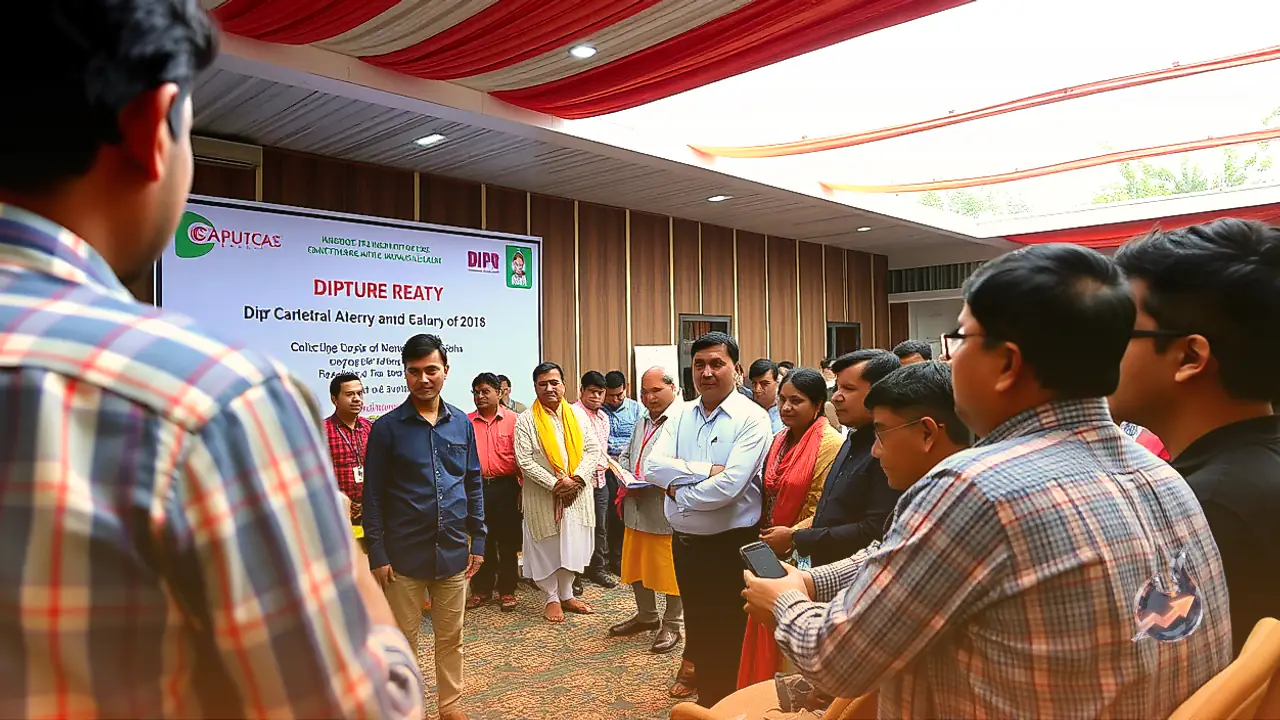



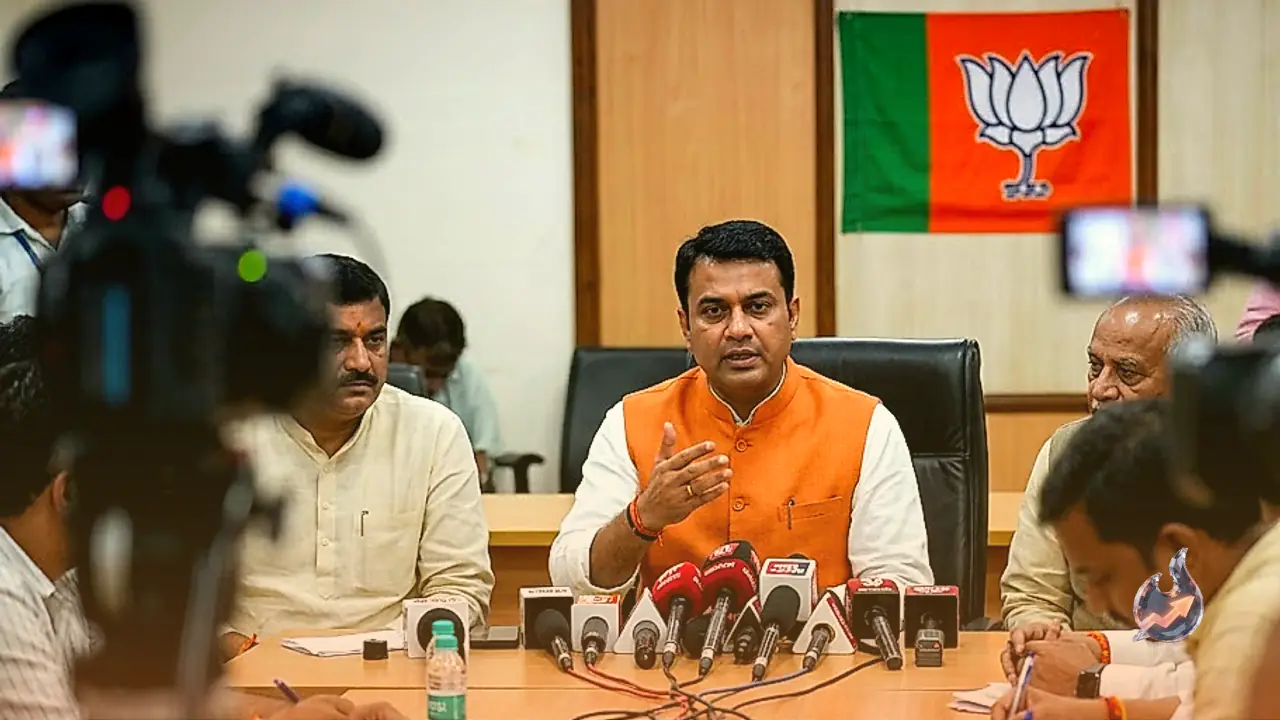
















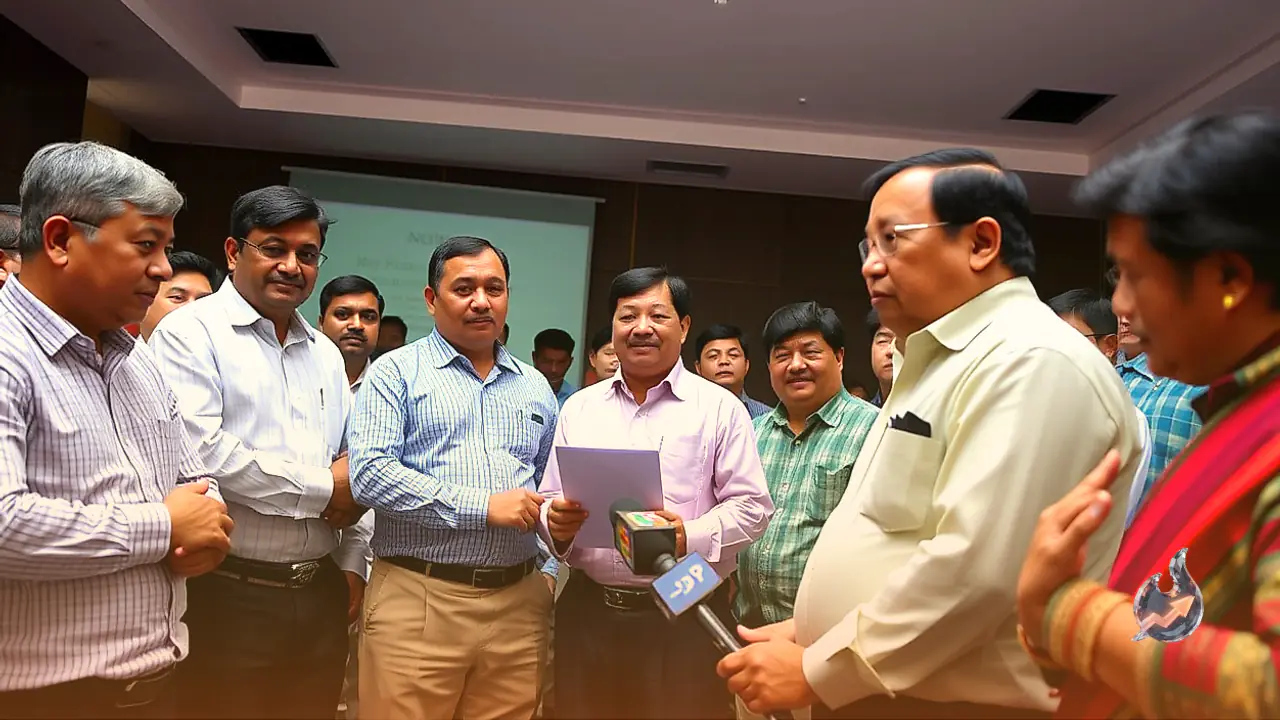

A comprehensive set of resolutions aimed at modernising public communication, streamlining internal coordination, and building stronger ties with news organisations was formally adopted at the second annual gathering of the Meghalaya Directorate of Information and Public Relations in Shillong. Centred on the theme of building a responsive, connected, and future-ready information service, the DIPR Conclave 2026 at the State Guest House brought departmental administrators and media professionals together to design a more resilient framework for official news delivery.
Combating Misinformation Through Factual Communication
Serving as chief guest at the event, Information and Public Relations Minister Lahkmen Rymbui underlined the significance of maintaining open and cordial ties between administrative bodies and print publications. He observed that timely public access to verified facts remains the strongest safeguard enabling citizens to separate truth from false claims. Urging departmental officers to tap into innovative formats for public communication, he pointed out that the administration possesses the tools and resources necessary to enhance outreach across the state. Rymbui also drew attention to the powerful role social platforms play in shaping public perception, urging greater vigilance regarding everyday news consumption.
Five Key Deliberations on Newsroom Operations and Digital Growth
The conclave unfolded across five structured sessions that addressed newsroom integration, digital expansion, media relations, departmental capacity-building, and professional stakeholder dialogue. The session on establishing a unified newsroom structure evaluated pathways to integrate news gathering and dissemination functions across branches. Representatives from the ABC Digest team outlined methods for widening digital footprints through a federated channel network, while the Meghalaya Chronicle team shared frameworks on media coordination, rapid response workflows, and general public communication policy. Institutional resilience formed the core of another dedicated session, which culminated in discussions involving the Shillong Press Club and the Meghalaya Editors' and Publishers' Association.
Journalist Welfare Schemes and Fact-Checking Infrastructure
Reaffirming that the press remains the fourth pillar of democracy, Commissioner and Secretary of the Information and Public Relations Department Vijay Mantri spoke on the necessity of accessible and transparent dialogue. He pointed to government programmes designed to back traditional media institutions, highlighting the Journalist Welfare Scheme 2024, dedicated pension provisions for retired and veteran reporters, and the Journalist Welfare Fund. Mantri called for the creation of rigorous verification mechanisms, greater public trust in credible institutions, and an active assessment of structural hurdles facing local media outlets.
Recommendations from Regional Press Associations
Dominic Savio Diengdoh, general secretary of the Shillong Press Club and a producer at T7 News, urged administrators to offer predictable access to official data, hold frequent briefings, and return prompt answers to queries from journalists. Diengdoh stressed the importance of continuous skills training for media workers stationed in both urban and rural settings, along with enhanced safety nets for correspondents reporting from distant districts.
Deimebanda Blah, managing editor of Meghalaya Times and treasurer of the Meghalaya Editors' and Publishers' Association, urged the department to evolve alongside modern media shifts. Blah proposed enhancing district-level coordination, launching a centralised portal for official government press releases, establishing a dedicated fact-checking cell inside the department, and scheduling periodic interactive workshops between reporters and information officers.
The consensus forged at this gathering will steer the priorities of the department in the coming years. This second conclave follows the inaugural event held on March 5, 2025, marking an ongoing effort to align state communication systems with modern information demands.