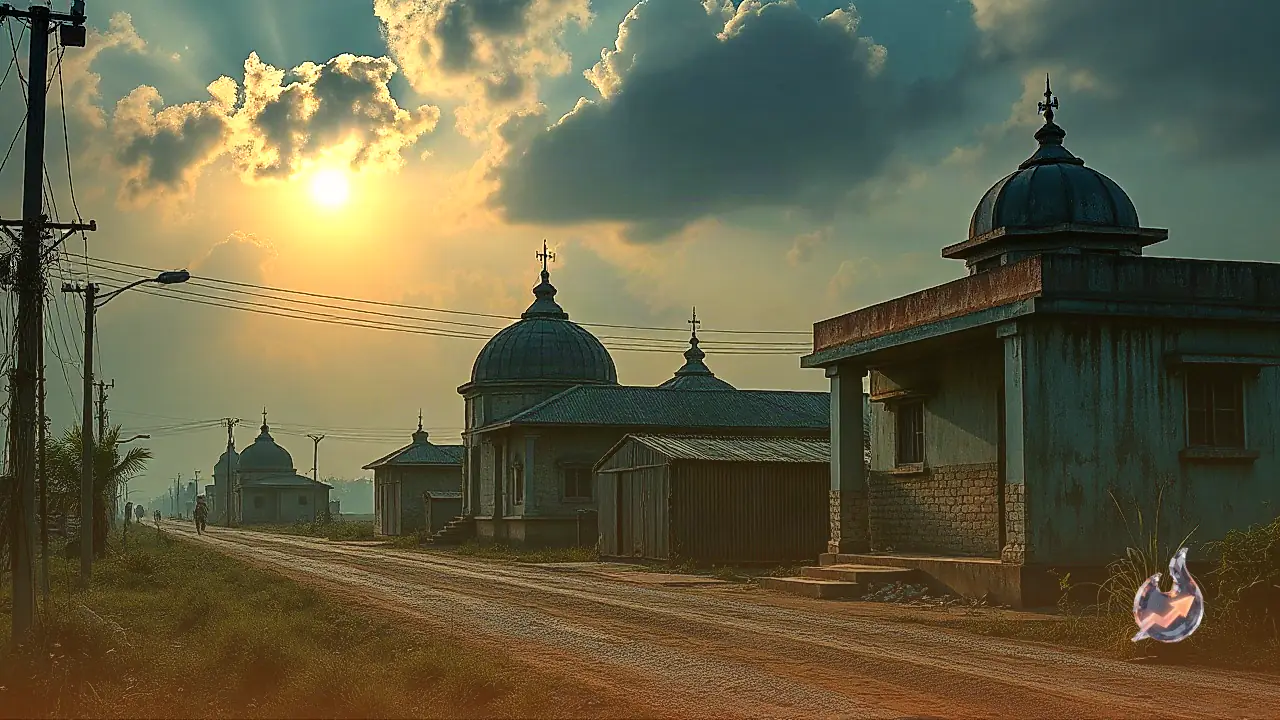






















Rajasthan is experiencing an unusual weather pattern this season as sweltering summer-like heat continues to prevail during the official retreat of the monsoon. The state typically records its peak heatwave conditions between April and June, while the close of September usually prepares the region for the onset of cooler winter breezes in October. Following last year's record-setting deluge, the current season has shifted drastically toward a drought-like situation. Throughout the monsoon period, the state recorded roughly 21 percent less precipitation than normal levels. In the absence of cloud cover and regular showers, mercury levels have breached the 40-degree Celsius mark across multiple districts during the final week of September.
Barmer and Jaisalmer Record Extreme Temperatures
In western Rajasthan, dry atmospheric conditions have pushed day temperatures 4 to 5 degrees Celsius above seasonal averages. Barmer logged the highest temperature in the western belt on Thursday, touching 43.6 degrees Celsius. Neighboring Jaisalmer was equally hot with a maximum of 43.2 degrees Celsius. Other districts in the arid zone recorded severe heat as well, with Jodhpur touching 41.7 degrees Celsius, Phalodi reaching 41.4 degrees Celsius, Bikaner registering 41.6 degrees Celsius, and Churu recording 40.5 degrees Celsius. In eastern Rajasthan, the town of Fatehpur in Sikar district recorded an afternoon high of 39.5 degrees Celsius, reflecting unusually warm conditions across both halves of the desert state.
Forecast of Approaching Western Disturbance
Dry weather conditions are likely to prevail over eastern Rajasthan for the next 2 to 3 days, according to regional forecasts. Similarly, western districts are anticipated to see dry and sunny weather continue over the next 3 to 4 days. However, minor relief could emerge in scattered pockets between September 27 and September 29, when isolated showers may occur across Bharatpur, Jaipur division, and parts of the Shekhawati belt. Furthermore, the entry of a fresh western disturbance on September 28 and 29 is expected to generate light localized rain in Bikaner division, offering marginal respite from the persistent dry heat.
Deficit Rainfall Triggers Severe Agrarian Distress
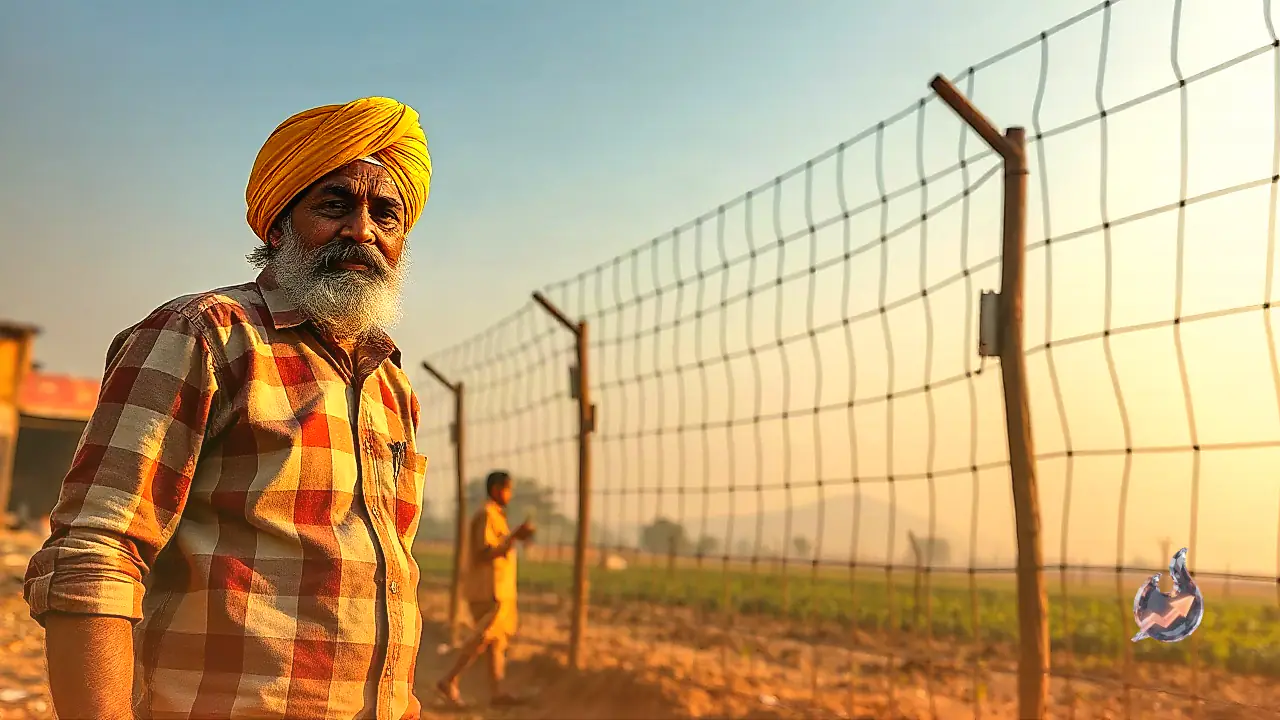
The erratic precipitation distribution has inflicted widespread distress across the farming community. Barring Bharatpur and Jhunjhunu, which topped the state in receiving sound downpours, a majority of districts fell well short of their average seasonal quotas. Farmers across western Rajasthan waited extensively for rain that never materialized. While initial showers allowed seeds to germinate and sprout across fields, the subsequent prolonged dry spell and intense sun scorched the saplings. With standing crops withering away across rain-deprived acreages, agricultural households in the region are now staring at an impending financial setback.