





















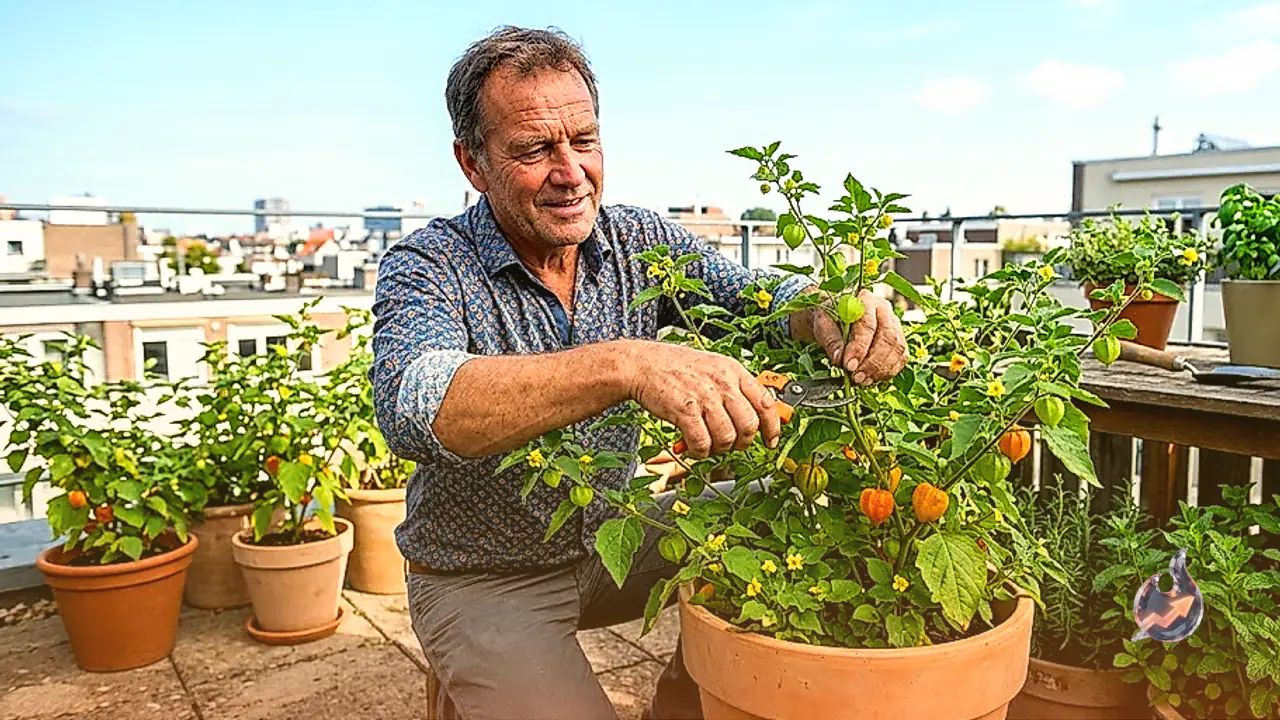

Gardening enthusiasts looking to cultivate plants that combine ornamental charm with sweet, edible rewards will find the raspberry, commonly known as cape gooseberry or rasbhari, an excellent choice for their domestic space. While often regarded strictly as an agricultural crop grown across expansive rural fields, this fruit-bearing plant adapts comfortably to standard household containers. Dayaram Meena, an experienced farmer engaged in raspberry cultivation in Karauli, has outlined a practical methodology for growing these plants in domestic gardens, balconies, and rooftops. Following these straightforward steps allows urban and suburban residents to enhance their home environment while enjoying fresh, homegrown produce.
Selecting the Right Container and Soil Mix
Establishing a raspberry plant at home does not demand extensive acreage or dedicated land. The plant can easily thrive inside a container placed on a terrace, balcony, or garden patch where ample natural sunlight is accessible. According to Dayaram Meena, the primary consideration when picking a container is ensuring adequate water drainage holes at the base. Preparing fertile potting soil requires blending in organic manure, which delivers essential nutrients, promotes healthy root establishment, and supports vigorous vegetative growth without introducing synthetic additives into the growing medium.
Sunlight Requirements and Balanced Irrigation
Direct exposure to sunlight is critical for the developmental cycle and reproductive vigour of the raspberry plant. Containers must be placed in spots that receive several hours of unfiltered direct sunshine each day. Water management requires careful balance, particularly during warmer months when elevated temperatures cause soil to dry out rapidly. Moisture levels should be monitored closely, adding water strictly as required while ensuring no excess liquid accumulates inside the pot. Stagnant moisture around the root zone poses a significant hazard, leading to root rot and severely arresting plant development.
Pruning Practices, Branch Support, and Organic Care
Routine maintenance such as systematic pruning plays a vital role in stimulating fresh vegetative shoots and encouraging denser foliage. As the plant expands in size and bears the weight of maturing berries, the spreading stems may require physical support using stakes or light trellises to prevent bending or breakage. Managing the plant through strictly organic methods while avoiding chemical treatments ensures the harvested fruit remains safe, clean, and packed with natural flavour.
Aromatic Blossoms and Enhanced Ambience
Beyond producing appetizing fruit, the raspberry bush serves as an attractive ornamental addition to any living space. During the flowering and fruiting phase, the plant emits a delicate, pleasant sweet fragrance that gently permeates the surrounding garden or balcony area. This aromatic quality transforms ordinary home balconies and terraces into soothing outdoor retreats, providing both decorative appeal and sensory enjoyment.
Fresh Produce for Small Living Spaces
According to farmer Dayaram, attentive daily care combined with basic horticulture principles allows anyone to cultivate raspberries successfully without access to agricultural plots. City dwellers and homeowners constrained by limited space can place modest pots on open rooftops or sunny verandas to produce abundant, fresh harvests directly outside their living quarters.