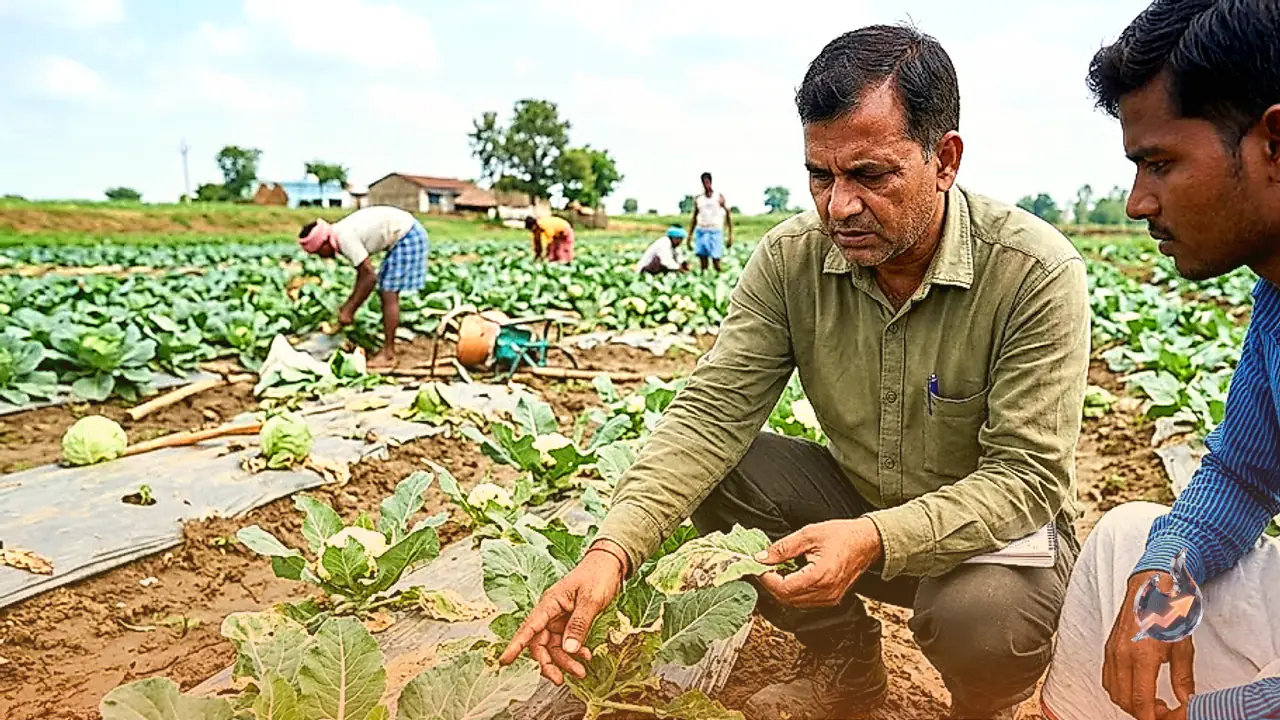























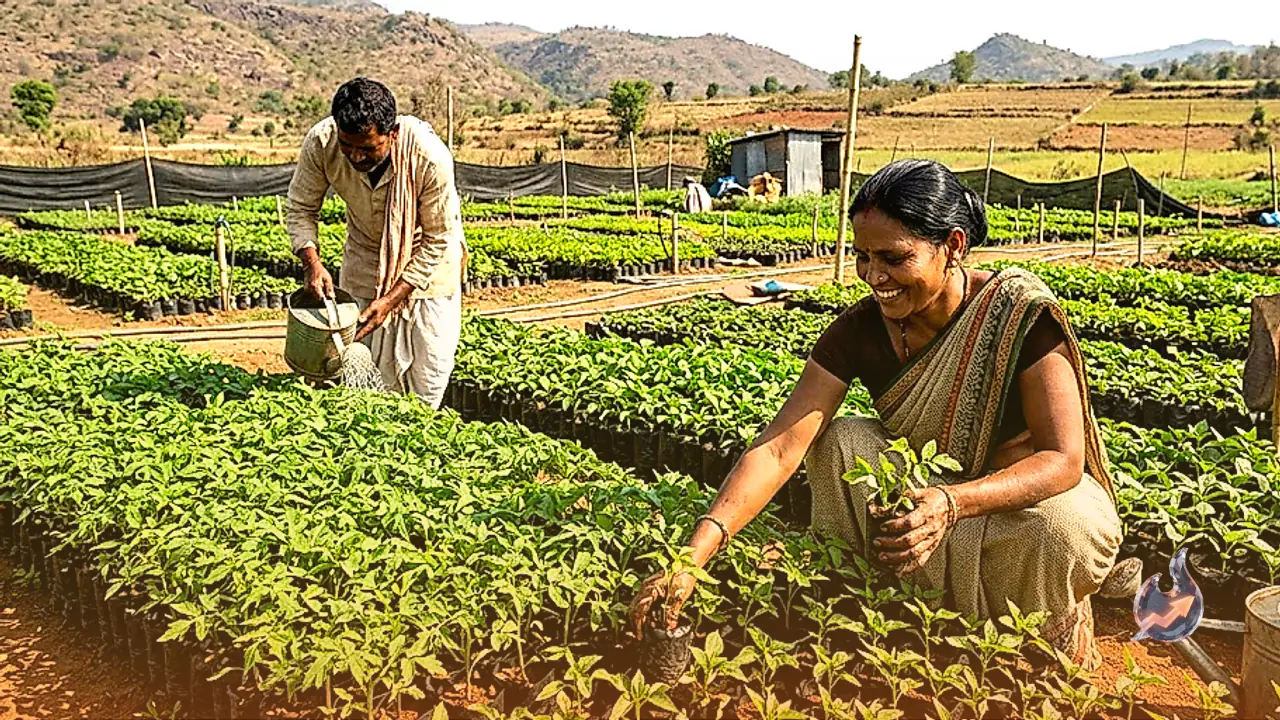

Farmers in the Palamu region are constantly exploring innovative methods to enhance agricultural output in the modern era. If cultivators possess cultivable vacant land and intend to launch a venture with minimal investment, establishing a plant nursery can prove to be an exceptional alternative. Through this enterprise, growers can cultivate saplings for various vegetables and useful plants. These ready-to-use saplings can be marketed directly to earn profits. Furthermore, these plants can also be utilized within one's own fields to boost vegetable cultivation, creating dual streams of revenue.
Successfully operating a nursery business requires certain essential facilities and materials. Providing insights into the process, Neera Devi explained that establishing a seedling production unit requires items such as pot trays, vermicompost, coco-peat, organic manure, and vegetable seeds. To protect the tender plants from harsh weather conditions and intense sunlight, tunnels are constructed using green shade nets. Additionally, proper water management is mandatory for regular irrigation. Fulfilling this requirement involves utilizing water sprinklers alongside a water storage tank with a capacity of approximately one thousand liters. Farmers can acquire these necessary materials under the framework of government schemes.
Assistance available under horticulture development rules
Regarding the establishment of this business, Vivek Dubey stated that cultivators can receive official assistance under government schemes to set up seedling production units. This sapling production unit functions as an integral part of the horticulture development scheme. By leveraging the benefits of this initiative, rural farmers can achieve financial independence. Setting up this entire unit typically incurs an initial expenditure ranging between 50 to 60 thousand rupees. Financial support is provided under the regulations and guidelines of the scheme. However, the exact grant amount and eligibility criteria entirely depend upon the departmental guidelines and local administrative approval.
Cultivating seasonal vegetable plants
The most distinctive feature of the nursery business is that once the primary infrastructure is established, fresh saplings can be grown continuously. Growers can cultivate healthy plants for tomatoes, chillies, eggplants, cabbages, cauliflowers, and various other popular vegetables based on seasonal demands. These ready saplings enjoy consistent demand in local markets, allowing farmers to generate handsome revenues by selling them. Utilizing pre-grown saplings instead of direct sowing saves considerable time during the initial phase and reduces manual effort, leading to superior crop management.
Farmers residing in rural areas can initiate this enterprise by closely observing local market requirements. Maintaining strict focus on the quality of the saplings is vital to ensure buyers receive robust plants. Along with traditional farming, this mechanism serves as a robust source of supplementary income for growers. It represents a brilliant method to put vacant or idle land to productive use. Farmers can not only generate revenue by selling saplings from the nursery but also harvest vegetables in their own fields. Consequently, this integrated setup opens up opportunities for earnings through both sapling commerce and vegetable cultivation.