

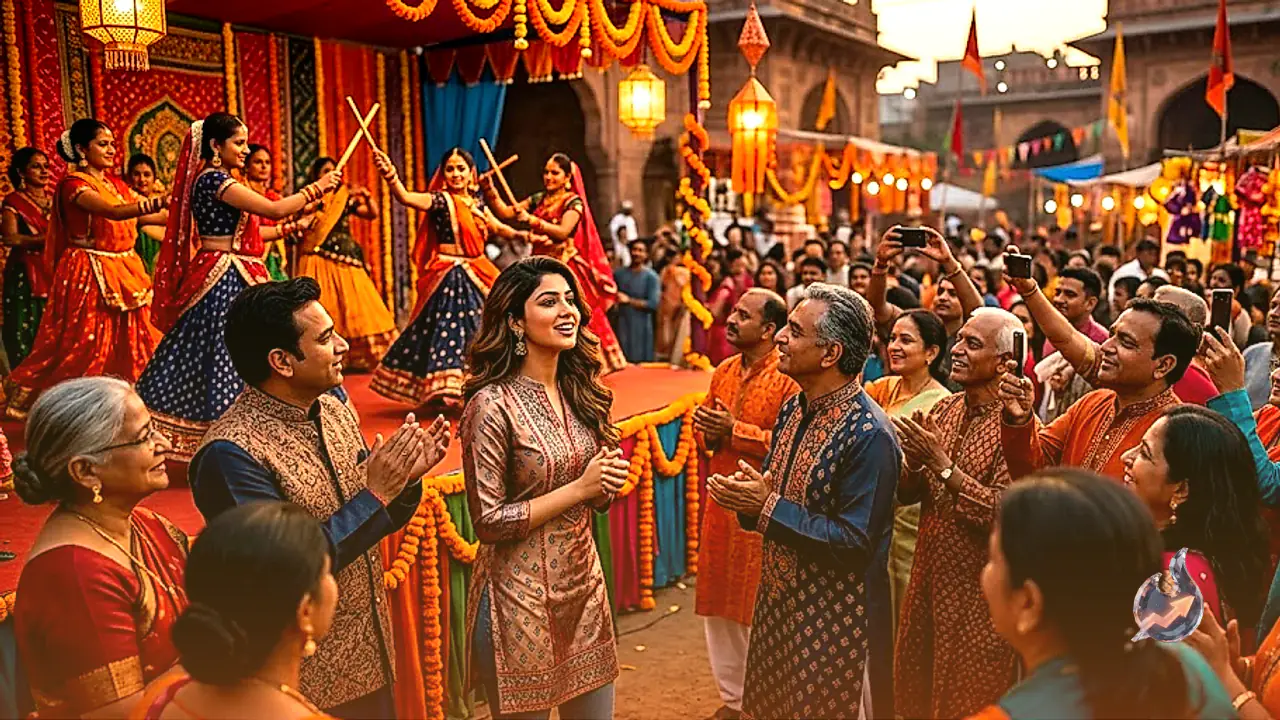














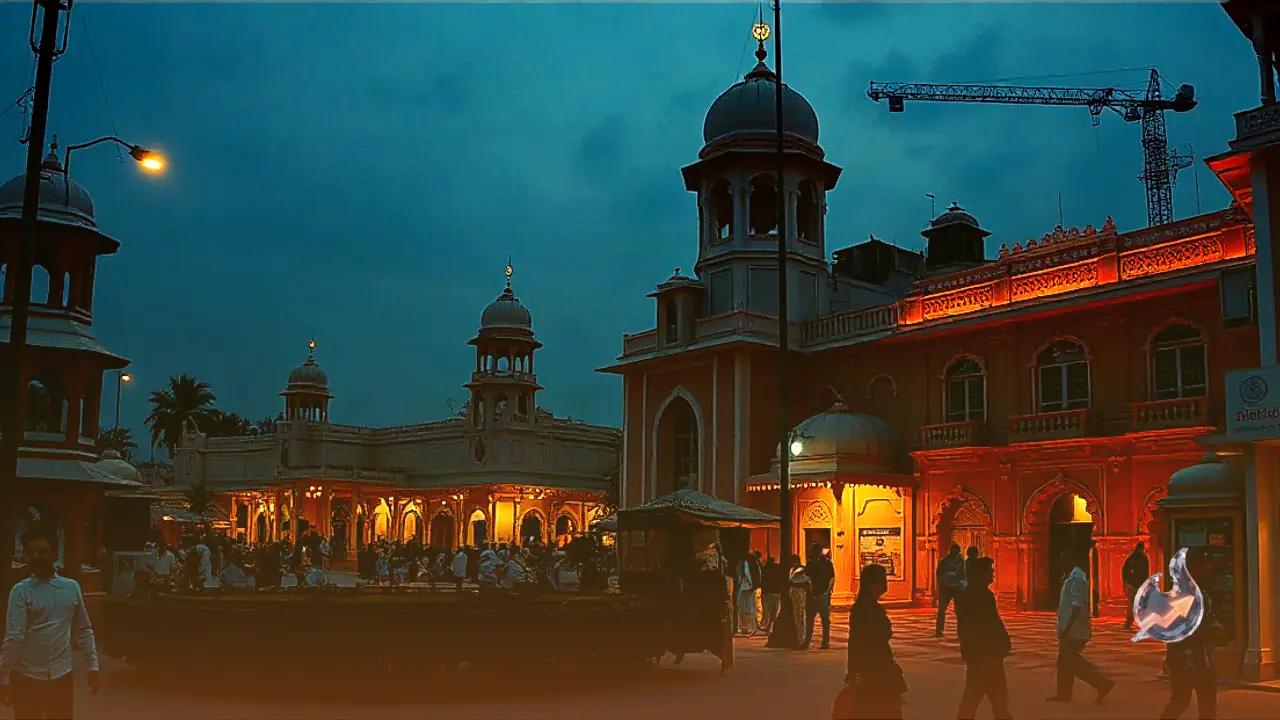

The capital of Rajasthan is set to witness the rich cultural traditions of Northeast India as the prestigious national cultural festival Octave 2026 arrives in the city after a gap of approximately ten years. The four-day cultural extravaganza will run from October 1 to October 4 at the Rajasthan International Centre. The event aims to bring the classical dances, folk arts, indigenous melodies, handloom costumes, crafts, and culinary flavors of eight northeastern states to heritage enthusiasts in western India. The participating states include Arunachal Pradesh, Assam, Manipur, Meghalaya, Mizoram, Nagaland, Sikkim, and Tripura. Organized under the Ministry of Culture, Government of India, the event is being helmed by the West Zone Cultural Centre, Udaipur, in active collaboration with the Rajasthan International Centre.
More Than 250 Folk Performers To Grace The Stage
Over 250 traditional artists, dancers, and instrumentalists from the eight states are arriving in Jaipur to stage their ancestral customs and performing traditions. Assam will showcase the energetic rhythms of Bihu, along with Bardoi Sikla and the revered classical Sattriya dance. Audiences can look forward to the martial intensity of the Naga warrior dance and harmonic choral music from Nagaland. Meghalaya will be represented by the post-harvest beats of Wangala, while Mizoram will feature the intricate Cheraw bamboo dance alongside Sarlamkai.
Performances from Manipur will bring the acrobatics of Pung Cholom, the traditional sword-and-spear martial art Thang-Ta, Lai Haraoba, Cherol Jagoi, and the classical Manipuri Raas. Sikkim is scheduled to stage its revered Singhi Chham lion mask dance and Tamang Selo, while Tripura brings the balance-focused pot dance Hojagiri as well as Mamita. Arunachal Pradesh will round out the diverse theatrical lineup with traditional performances of Juju-Jha-Jha and Tai Khamti.
Ethnic Attire, Indigenous Crafts, And Traditional Gastronomy
Beyond the performing arts, the festival incorporates avenues to immerse visitors in the lifestyle, dress, and domestic crafts of the participating regions. On October 1 and October 2, an ethnic costume show will spotlight the indigenous textiles, weaves, and traditional jewellery of varied communities across the eight states, offering viewers a comprehensive perspective on local tribal identities.
Visitors will also find stalls dedicated to indigenous cuisine and authentic handicrafts from across the eastern region. According to the performance schedule, October 2 and October 3 will feature the delicate movements, footwork, and spiritual expression of Manipuri Raas, depicting the devotion of the Gopis and the divine love of Radha and Krishna. On October 3, a dedicated choral singing presentation by artists from Nagaland will take the stage, while classical Sattriya recitals will be mounted across October 3 and October 4.
Third Appearance Of The Festival In Rajasthan
Conceived as a national initiative by the Ministry of Culture, the Octave festival seeks to introduce audiences in other parts of India to the heritage and daily traditions of the northeastern states. This marks the third occasion that Rajasthan has served as the host state for the festival, with previous editions staged in Jodhpur in 2012 and in Ajmer in 2016.
Ahead of the main evening presentations, an affiliated North-East Painters Camp has already commenced. Held in partnership with the Lalit Kala Akademi, New Delhi, the camp brings together 10 distinguished artists from the northeastern region who are currently producing original artworks on site. Comprehensive staging and venue arrangements are in full swing across the Exhibition Hall and 3, Lower Ground of the Rajasthan International Centre.