



















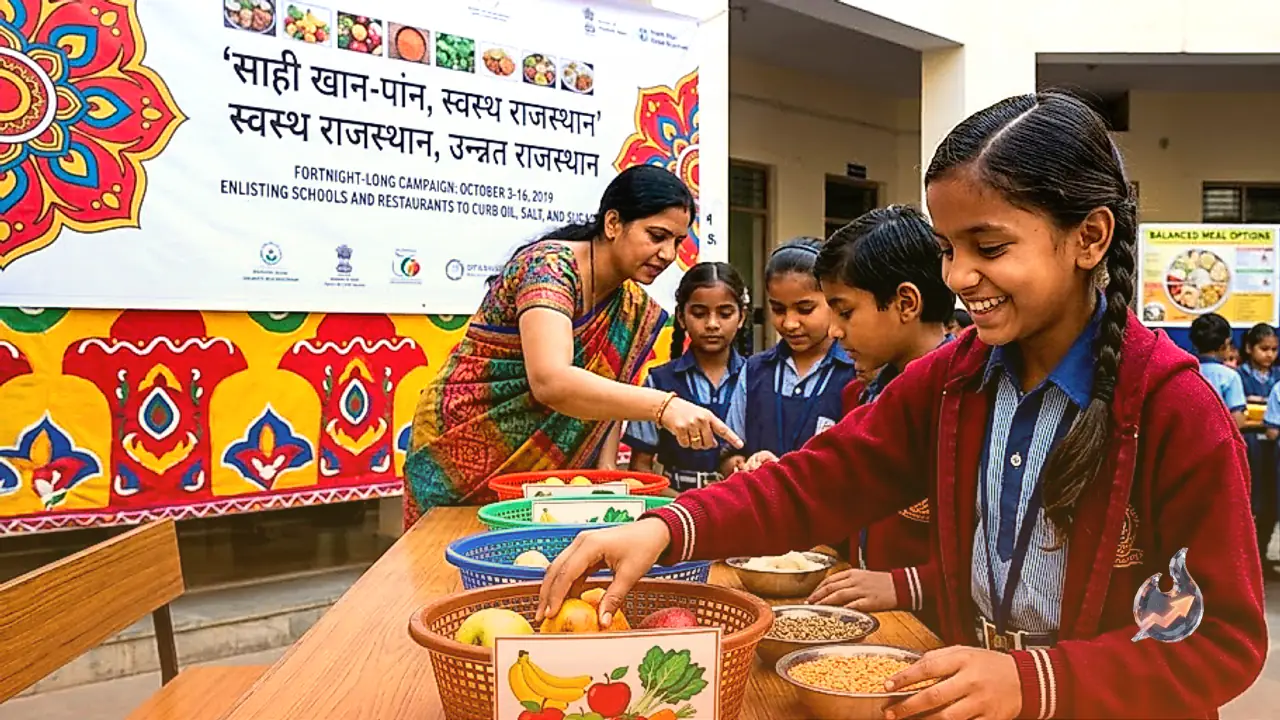

A comprehensive public health and dietary awareness initiative is set to begin across Rajasthan to foster nutritious eating habits and reduce lifestyle-related health risks among citizens. The state administration is launching a focused campaign titled 'Sahi Khan-Paan, Swasth Rajasthan' to encourage households to moderate their consumption of cooking oil, salt, and refined sugar. Alongside dietary discipline, the initiative aims to educate people on identifying food adulteration, choosing locally cultivated nutritious crops, and putting an end to food wastage at institutional and family levels.
The fortnight-long calendar of activities will run from October 3 through October 16, featuring targeted programs across diverse sectors of society. Centered around the core motto of eating safely, staying healthy, opting for local produce, and defeating adulteration, the campaign seeks to motivate residents to incorporate small, practical adjustments into their daily cooking. Officials emphasize that the outreach is not designed as a routine administrative exercise, but as a broad coalition actively drawing in primary schools, colleges, major universities, and hospitality establishments.
Educating Students on Nutrition and Safe Food Practices
The campaign begins by engaging children and young students to build lasting wellness habits from an early age. On October 3 and October 5, academic institutions across the state will observe 'School Eat Right Day'. During these sessions, educators will guide students on balanced nutrition, safe handling of edibles, and personal hygiene. In addition to personal awareness, youngsters will be encouraged to serve as health ambassadors within their families and neighborhood communities by advocating healthy culinary practices at home.
Two-Day Drive to Detect and Counter Food Adulteration
Guarding against sub-standard and contaminated foodstuffs will be the focus on October 6 and October 7 under the banner 'Milawat Ko Pehchano-Milawat Ko Harao'. These two days will be dedicated to equipping ordinary consumers with basic skills to identify common adulterants in daily kitchen staples such as milk, spices, and oils. Consumers will receive guidance on vigilance while purchasing grocery items, checking product purity, and selecting safe, certified edibles in local markets.
Promoting Balanced Meals and Reading Packaged Food Labels
The dietary focus shifts toward meal composition on October 8 and October 9 with the observance of 'Healthy Rajasthan-Healthy Thali Day'. These events will emphasize the importance of traditional, well-rounded meals containing adequate portions of fresh produce, protein, and dietary fiber. Following this, on October 12, a consumer education drive titled 'Read the Label-Eat Right, Eat Safe' will be held to address packaged food consumption. Citizens will be guided on how to scrutinize nutrition fact panels, decipher ingredient lists, monitor hidden sugars and sodium levels, and verify expiry dates before purchasing processed goods.
To build a health-conscious environment among older youth, October 13 and October 14 will be designated as 'Eat Right Campus Day'. This segment will encompass colleges, universities, and other large institutions, encouraging campus cafeterias and hostel dining halls to upgrade food hygiene and provide nutritious meal choices for students and faculty members alike.
Mobilizing the Hospitality Sector to Prevent Food Wastage
Recognizing that commercial food handling is central to sustainable consumption, October 15 and October 16 will feature the 'Food Waste-Save Food Day' program. This phase directly engages hotel operators, restaurant owners, caterers, and commercial kitchens across urban centers. Stakeholders will receive guidance on inventory management, serving portion control, and preventing excess prepared food from ending up in garbage dumps. By bridging domestic habits with commercial dining norms, the administration aims to curb unnecessary loss of prepared meals across the hospitality sector.
Civic Pledges for Millet Consumption and Daily Physical Exercise
A central pillar of the statewide initiative involves public commitments toward healthier daily routines. Throughout the drive, citizens will be invited to take a formal wellness pledge encompassing multiple lifestyle adjustments. Participants will commit to lowering their daily intake of oil, salt, and sugar, while pledging to consume Shree Anna, or traditional millets, at least three days each week. Furthermore, the commitment incorporates physical fitness, requiring individuals to dedicate at least 30 minutes every day to yoga or physical exercise, reinforcing the link between diet and movement.
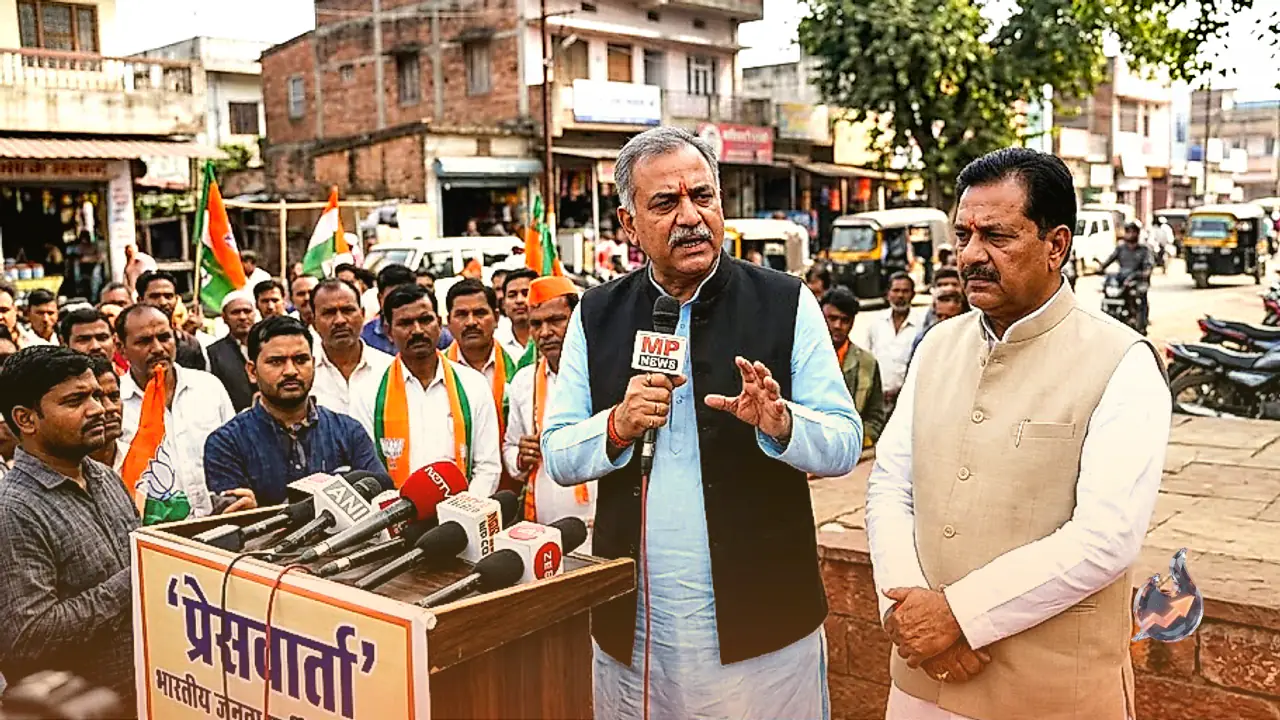
Sharing details regarding the program, Food Safety and Drug Control Commissioner Avichal Chaturvedi explained that diverse outreach formats have been scheduled across administrative tiers under 'Sahi Khan-Paan, Swasth Rajasthan'. He noted that the initiative seeks to foster informed choices regarding food safety, minimized oil-salt-sugar use, native dietary staples, and active lifestyles among the state's residents.