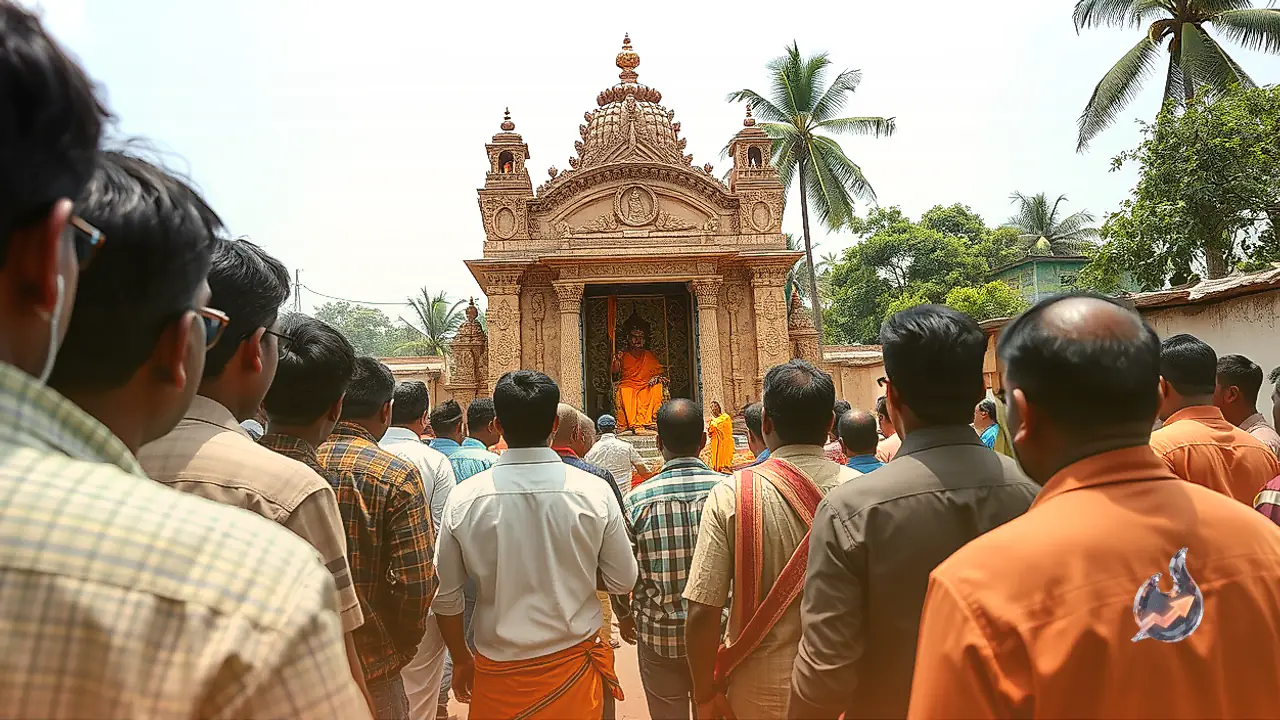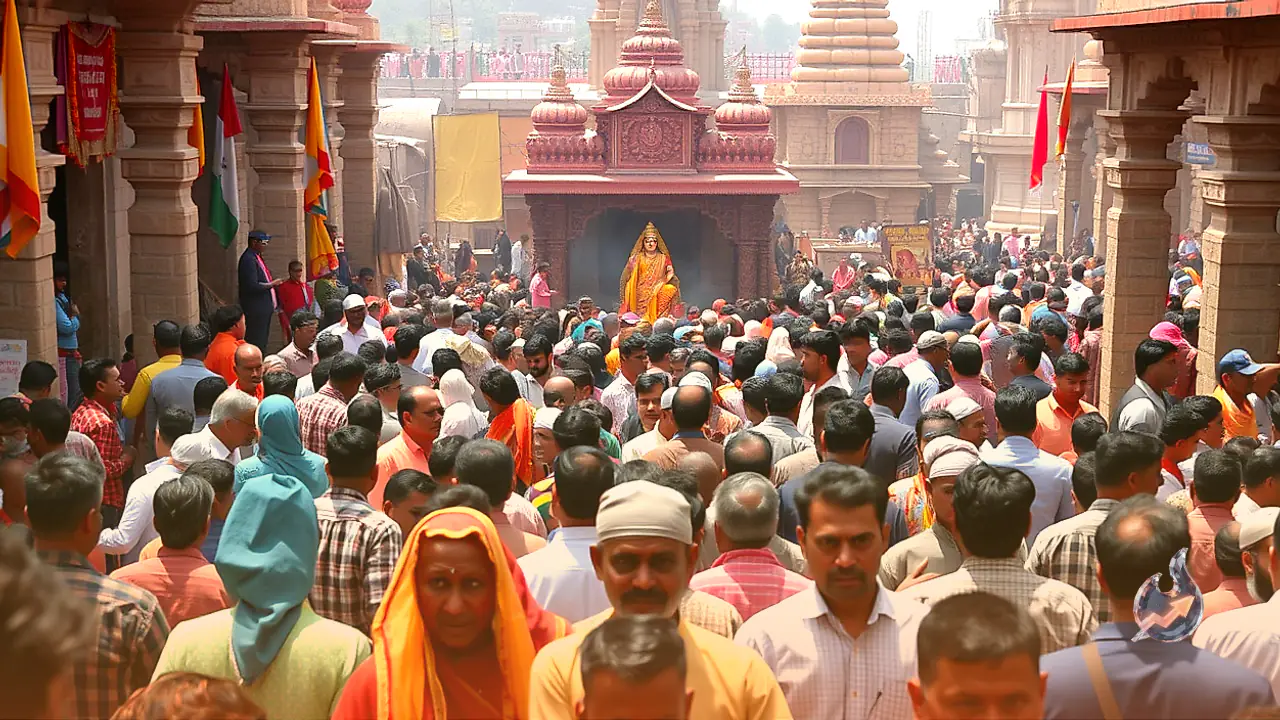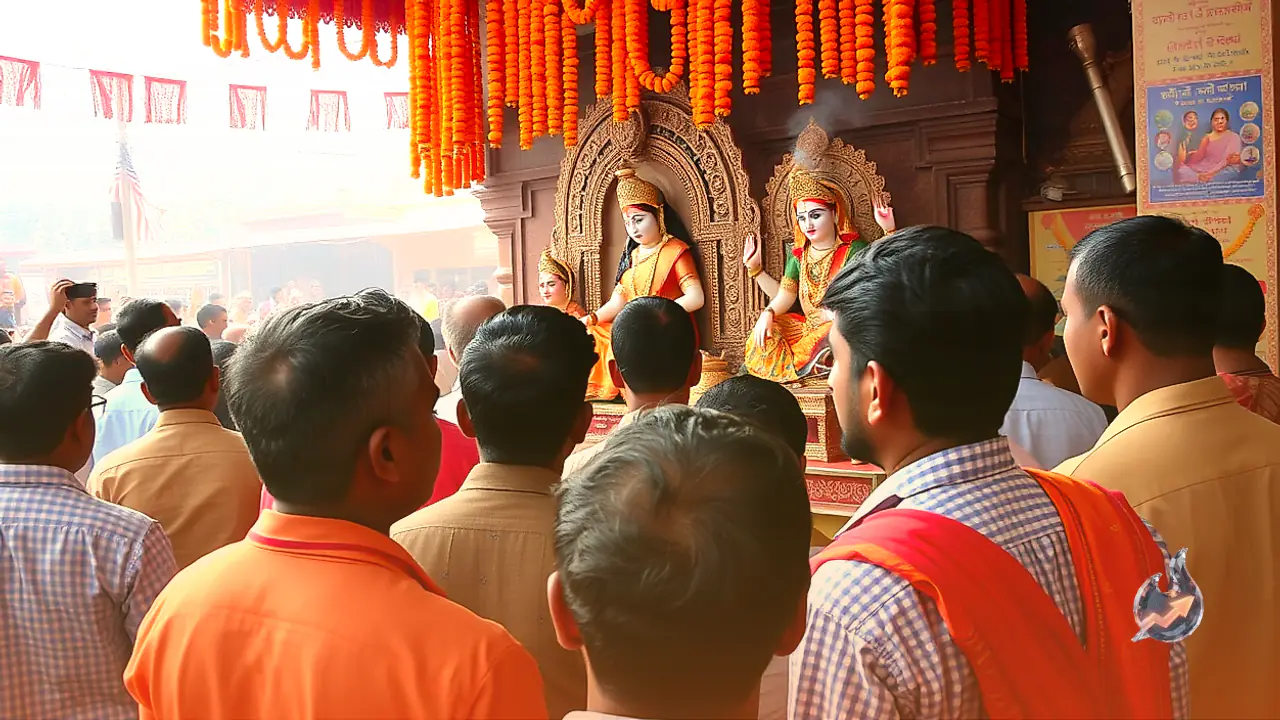

















Situated in the bustling neighborhood of Sarojini Nagar in the national capital, the Shri Vinayaka Temple holds immense spiritual reverence among devotees from all walks of life. While it stands as a cornerstone of faith for South Indian residents living in Delhi, the shrine welcomes thousands of believers who revere Lord Ganesha as the remover of obstacles. According to cherished spiritual beliefs, seeking the grace of Ganapati dispels life hurdles and brings prosperity and joy. Over the decades, the complex has served not merely as a center of religious rituals, but as a vital cultural anchor for the diaspora in northern India. Inside the sanctum, Karpaga Vinayakar along with Siddhi and Buddhi is worshipped daily following authentic South Indian Vedic rituals.
The 1950s Vision for a Dedicated Community Shrine
The origins of this revered landmark trace back to the early 1950s. During that post-independence period, South Indian residents settled in Delhi felt an acute need for a consecrated place where they could observe their traditional customs, sacred ceremonies, and seasonal festivals. Responding to this communal desire, prominent citizens and social workers came together to organize the Shri Vinayaka Mandir Samiti. Taking their vision toward formal execution, the committee was officially registered on April 16, 1953, with the Registrar of Societies, Delhi. The central mandate of this newly registered society was to construct and oversee a dedicated abode for Lord Vinayaka in the heart of the national capital.
Community Contributions and the Milestone Kumbhabhishekam of 1961
Through modest financial collections and public contributions pooled by devotees, initial construction began on a compact temple structure. The layout was thoughtfully planned around a sacred Garbhagriha (sanctum sanctorum) surrounded by a Prakaaram, or traditional circumambulatory pathway. The endeavor received spiritual guidance and blessings from Jagadguru Pujya Shri Paramacharya of Kanchi Kamakoti Peetham and Jagadguru Shri Shankaracharya Swami of Sringeri Sharada Peetham. Expert traditional sculptors, known as sthapatis, were engaged from South India to chisel the sacred idol of Karpaga Vinayakar alongside Siddhi and Buddhi. On August 24, 1961, the consecrated Prana Pratishtha took place in the locality then known as Vinay Nagar, which was later renamed Sarojini Nagar. A grand Kumbhabhishekam was performed in classical South Indian temple traditions, attended by a vast congregation of devotees arriving from different parts of the country.
Architectural Expansion and Consecration of the Shiva Shrine
Following that humble beginning, generous community patronage enabled steady expansion of the temple premises. Consecrated shrines dedicated to Lord Hanuman and the Navagrahas were established in appropriate positions within the complex. Along with daily traditional abhishekams and liturgical pujas, the temple regularly conducts special homams, elaborate rituals, and communal prayers during auspicious festivals, drawing worshippers across the National Capital Region. In response to heartfelt requests from local devotees, an additional temple dedicated to Lord Shiva was consecrated in June 1983. At the center of this sanctum lies a Svayambhu Omkareshwar Shiva Lingam brought directly from the holy Narmada River, enshrined alongside intricately carved statues of Goddess Parvati, Lord Ganesha, Kartikeya, and Nandikeshwara.
Prime Minister Narendra Modi Visits to Mark 25 Years of Public Governance
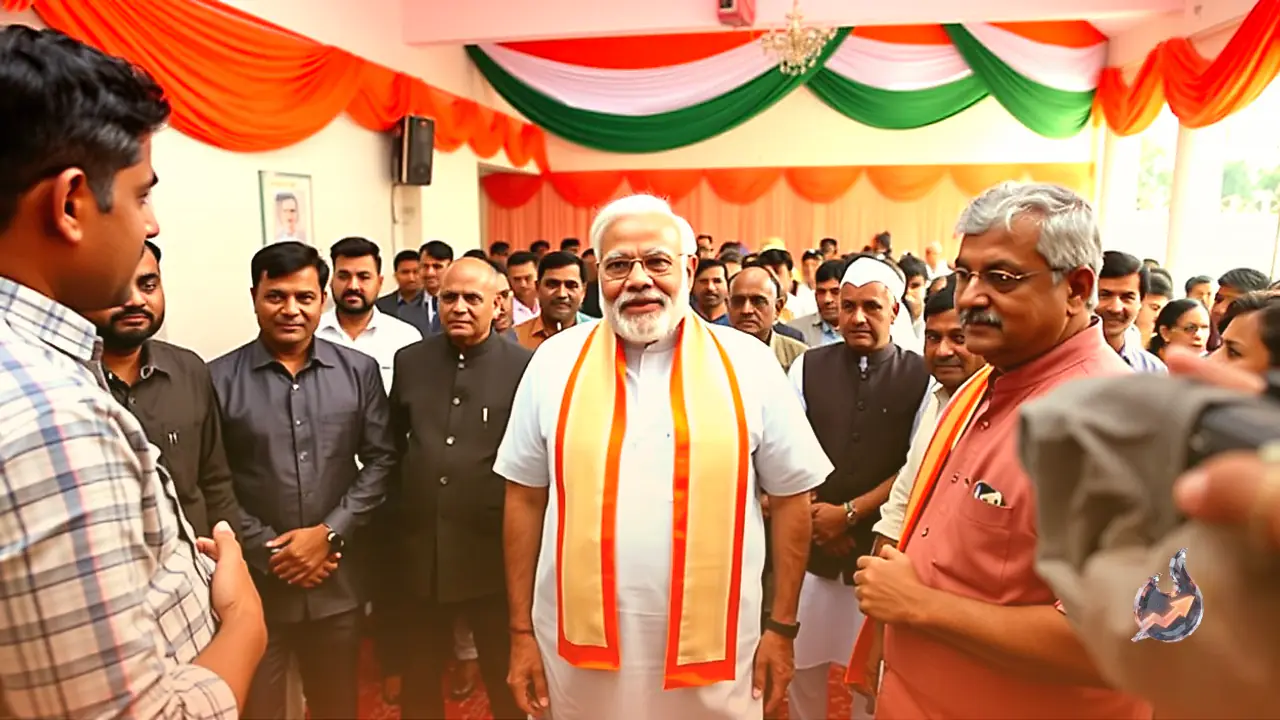
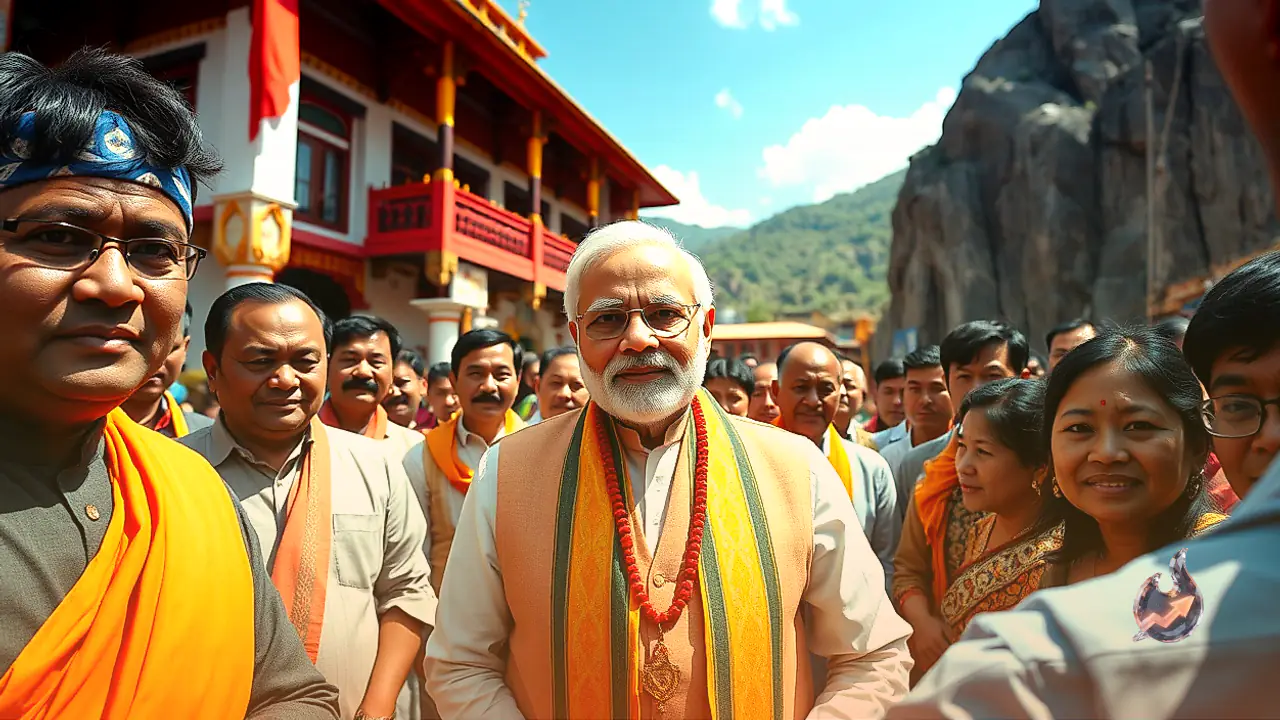
The temple's enduring spiritual prominence was highlighted when Prime Minister Narendra Modi visited the Shri Vinayaka Temple in Sarojini Nagar to perform traditional worship on the occasion of completing 25 years in public life as head of government. During the visit, the Prime Minister participated in ceremonial Vedic prayers, reaffirming his dedication and resolve toward serving the nation while praying for the progress, welfare, and prosperity of the entire country.