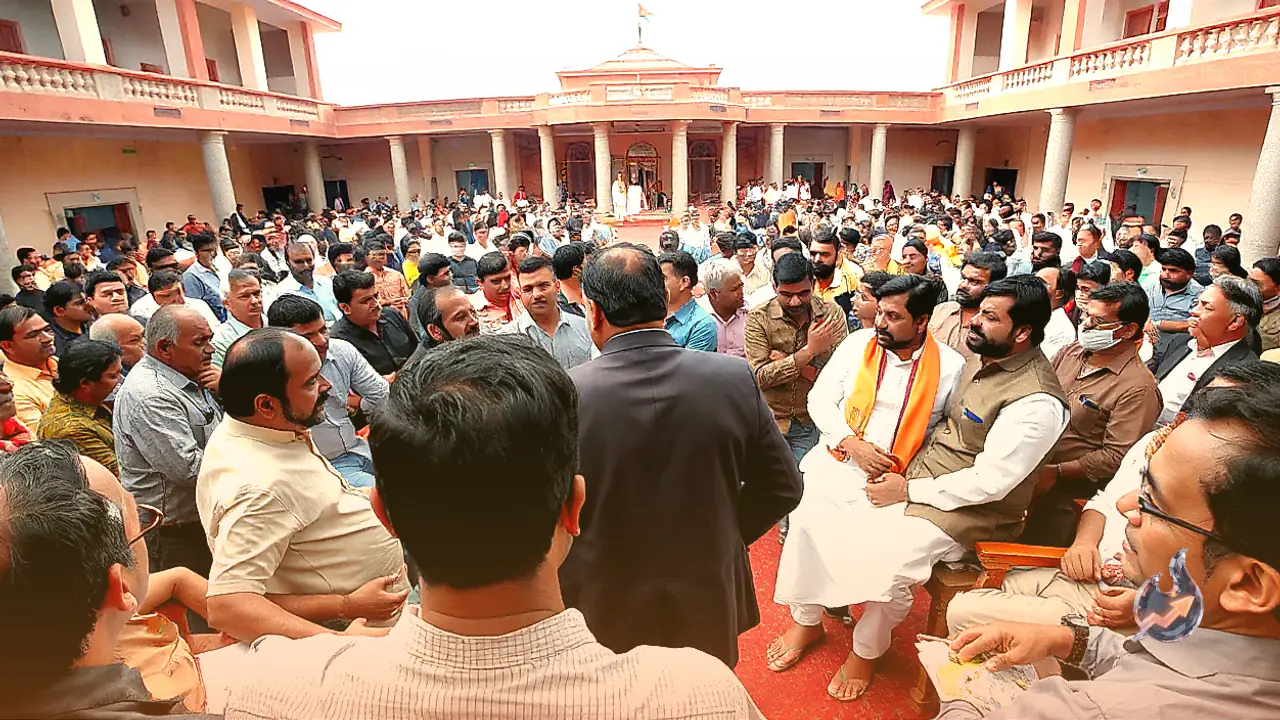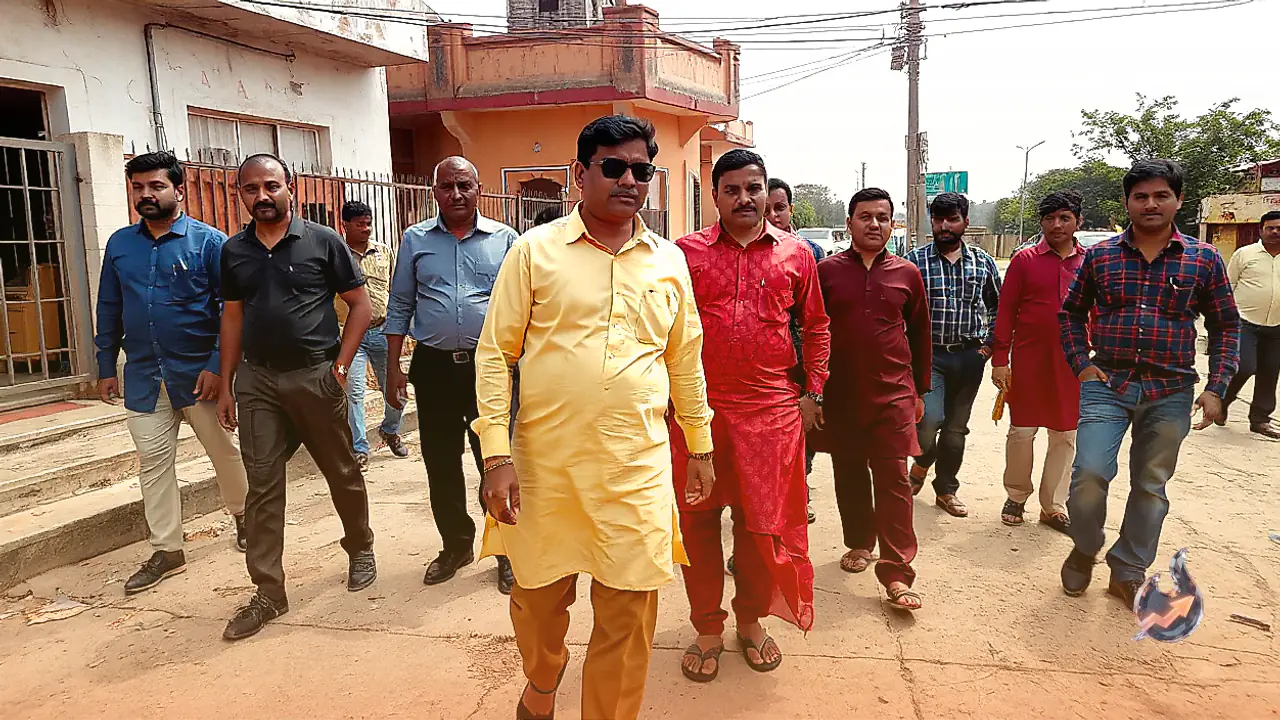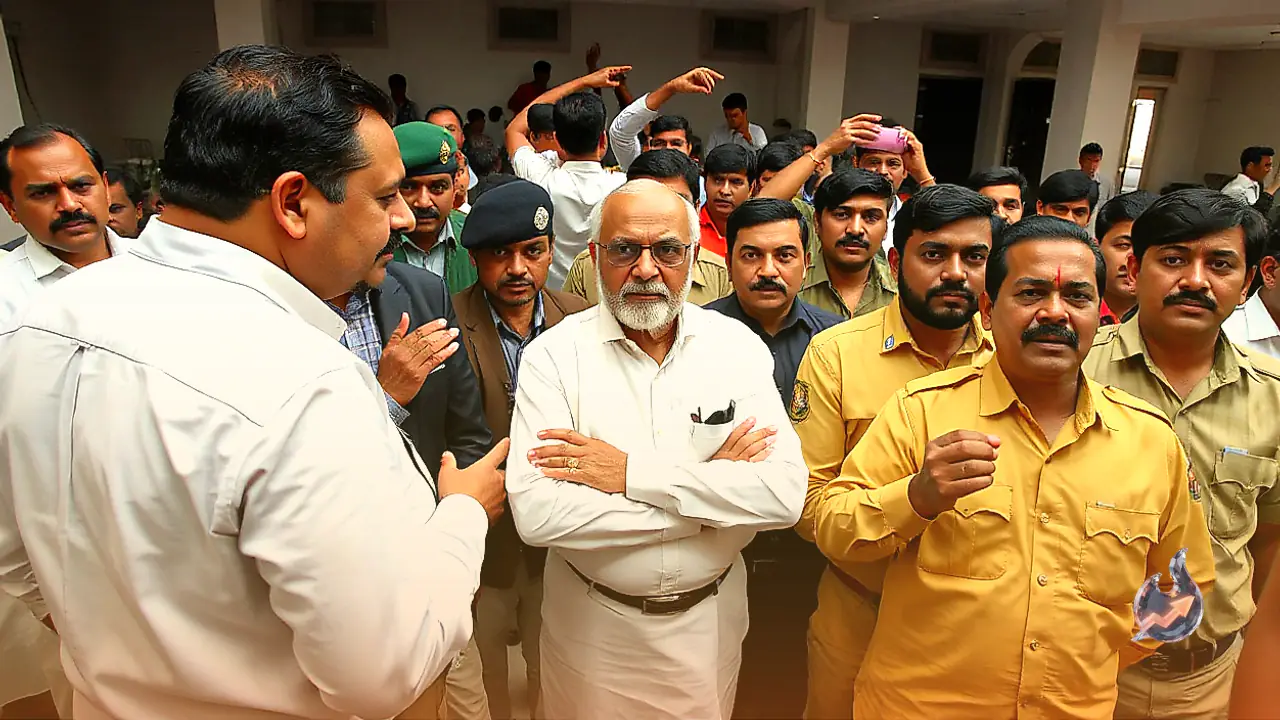
















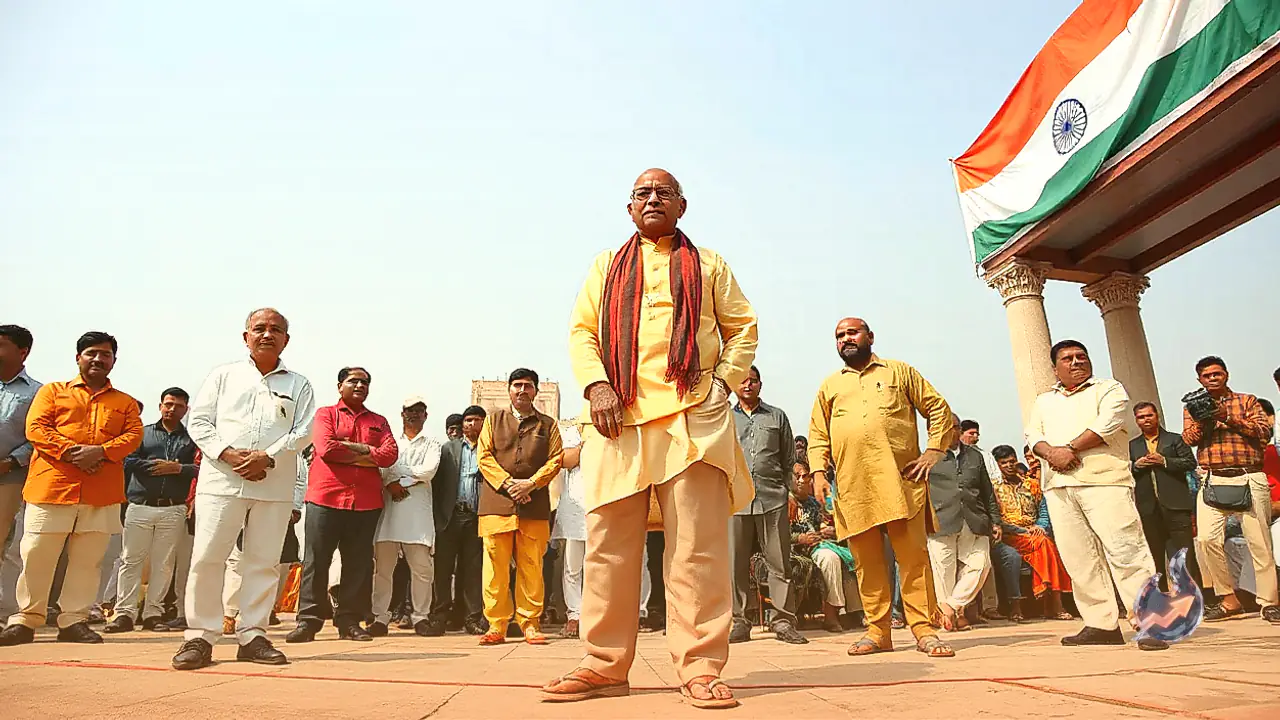

Addressing a commemorative gathering in Lucknow on the occasion of the 151st birth anniversary of Sardar Vallabhbhai Patel, Chief Minister Yogi Adityanath underscored the vital importance of national cohesion, sovereignty, and shared civic responsibility. The Chief Minister declared that modern India will no longer tolerate parallel legal systems or dual governance frameworks, stating firmly that the nation operates strictly under one constitution, one prime minister, and one national flag. Warning against domestic fractures, he observed that external and hostile elements capitalize on societies divided along caste, regional, and linguistic lines. He called upon citizens to collectively confront and overcome any malicious designs aimed at eroding the republic's integrity, terming this solidarity the truest tribute to Sardar Patel.
Internal Fissures Named as the Principal Threat to National Unity
Chief Minister Yogi Adityanath drew an analogy between physical health and social stability. He remarked that just as a biological body falls prey to illness once its internal stamina and immune defenses break down, a society's resilience is destroyed when it succumbs to the social afflictions of casteism, regional parochialism, and linguistic chauvinism. When this resistance is compromised, internal weakness serves as an open invitation for external aggression and disruption.
Taking a strong ideological stance, the Chief Minister remarked that those who regard Jinnah as an exemplar can never truly follow or honor Sardar Vallabhbhai Patel. Genuine adherents of the Iron Man of India, he pointed out, are defined by an unwavering commitment to nationalism and must place the protection, sovereignty, and security of India above all narrow interests. Divisive elements and forces bent on fracturing society have no legitimate claim to Patel's legacy. He urged everyone to unite in defeating ongoing attempts to challenge constitutional institutions and weaken the sovereign unity of the nation.
Sardar Patel's Historic Unification of Over 563 Princely States
Offering floral respects and homage on behalf of the people of Uttar Pradesh, CM Yogi celebrated Sardar Patel as a visionary statesman and master architect of modern Indian statehood. He recalled that Prime Minister Narendra Modi designated October 31 as National Unity Day, prompting nationwide observances that highlight national integration.
To keep the monumental memory of the Iron Man permanently vibrant, the Prime Minister oversaw the construction of the world's tallest statue on the banks of the Narmada River near the Sardar Sarovar Dam in Kevadia, Gujarat. The Chief Minister noted that the towering monument mirrors the monumental stature of Patel, whose iron resolve led to the accession and integration of more than 563 princely states into the sovereign Union of India at the time of independence.
The Decisive Accession of Junagadh and Hyderabad
Recalling the immediate post-independence landscape, the Chief Minister pointed out that while the vast majority of kingdoms integrated peacefully, two princely states, Junagadh and Hyderabad, initially resisted joining the Indian republic. When the Nawab of Junagadh displayed defiance, Sardar Patel issued a resolute warning, making it clear that if diplomatic persuasion failed, alternative measures would be deployed without hesitation. Faced with this firm posture, the Nawab fled to Pakistan, even leaving behind his children, thereby securing Junagadh's permanent place within India.
Turning to Hyderabad, CM Yogi recounted the severe brutality and terror inflicted under the Nizam's regime, where Hindus, Sikhs, Buddhists, and Jains faced widespread massacres and forced conversions, with local rulers completely disregarding legal protocols. However, a stern and decisive warning from Sardar Patel forced the Nizam to surrender authority and capitulate. Consequently, Hyderabad along with all territories under its jurisdiction became an integral component of the Indian Union.
Criticism of Past Kashmir Decisions and the Nullification of Article 370
Contrasting the accession of other territories with the handling of Jammu and Kashmir, Chief Minister Yogi Adityanath criticized former Prime Minister Jawaharlal Nehru and the Congress party. He pointed out that while Sardar Patel managed the integration of other principalities, Nehru retained exclusive personal control over Kashmir. The subsequent tribal invasion resulted in the tragic loss and ongoing illegal occupation of Pakistan-occupied Kashmir, where minority communities comprising Hindus, Sikhs, Buddhists, and Jains suffered extensive slaughter, reducing their presence there to negligible numbers.
He noted that despite strenuous objections from Dr. B.R. Ambedkar, Nehru and the Congress proceeded with the implementation of Article 370, creating a long-standing constitutional anomaly. However, under the decisive stewardship of Prime Minister Narendra Modi and Union Home Minister Amit Shah, Article 370 was permanently dismantled. Today, Jammu and Kashmir stands fully integrated into the Indian republic on equal terms with any other state or city, including Uttar Pradesh and its capital, Lucknow.
A Single Constitution and Vision for a Unified Republic
Reiterating the core constitutional mandate, the Chief Minister affirmed that the era of dual legal standards inside the country has ended. India now functions under the enduring principle of one country, one head of government, one legal code, and one national flag. He observed that the vision championed by Sardar Vallabhbhai Patel, Dr. Syama Prasad Mookerjee, and countless freedom fighters reached fulfillment through the decisive governance led by Prime Minister Modi and executed by Home Minister Amit Shah. Concluding his address, he urged citizens to make persistent collective efforts to safeguard this hard-won unity against all divisive elements.