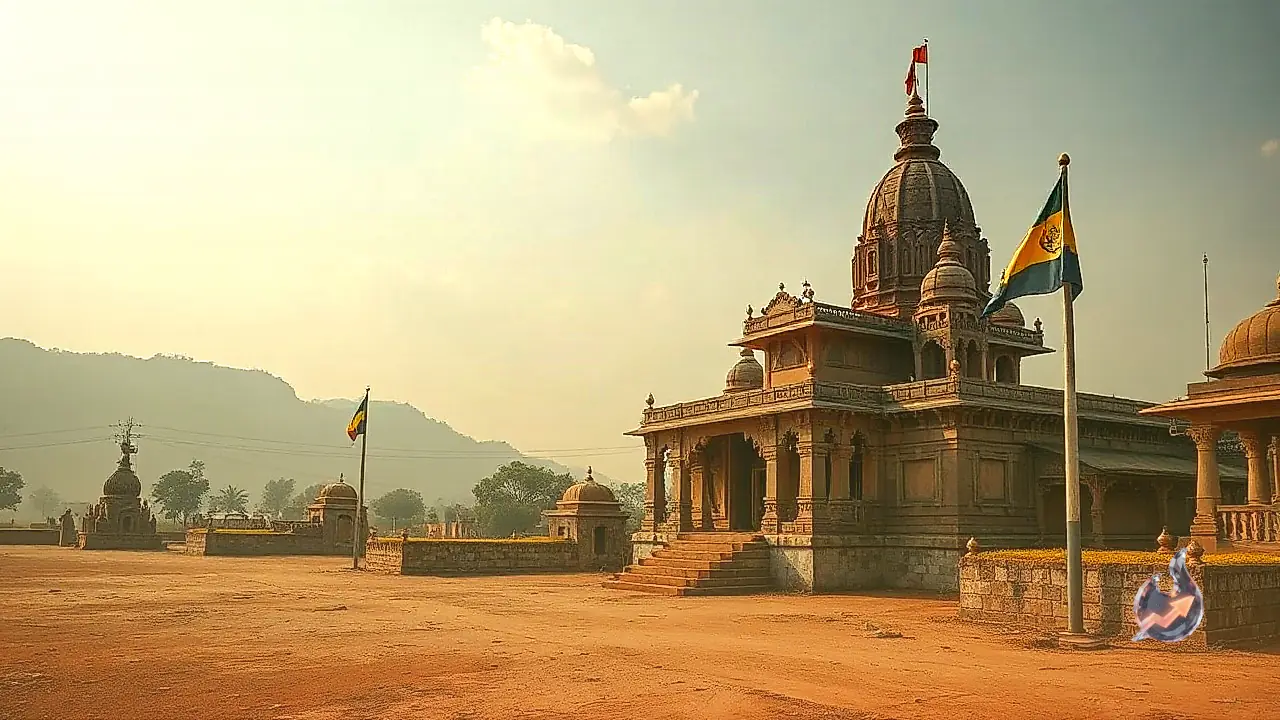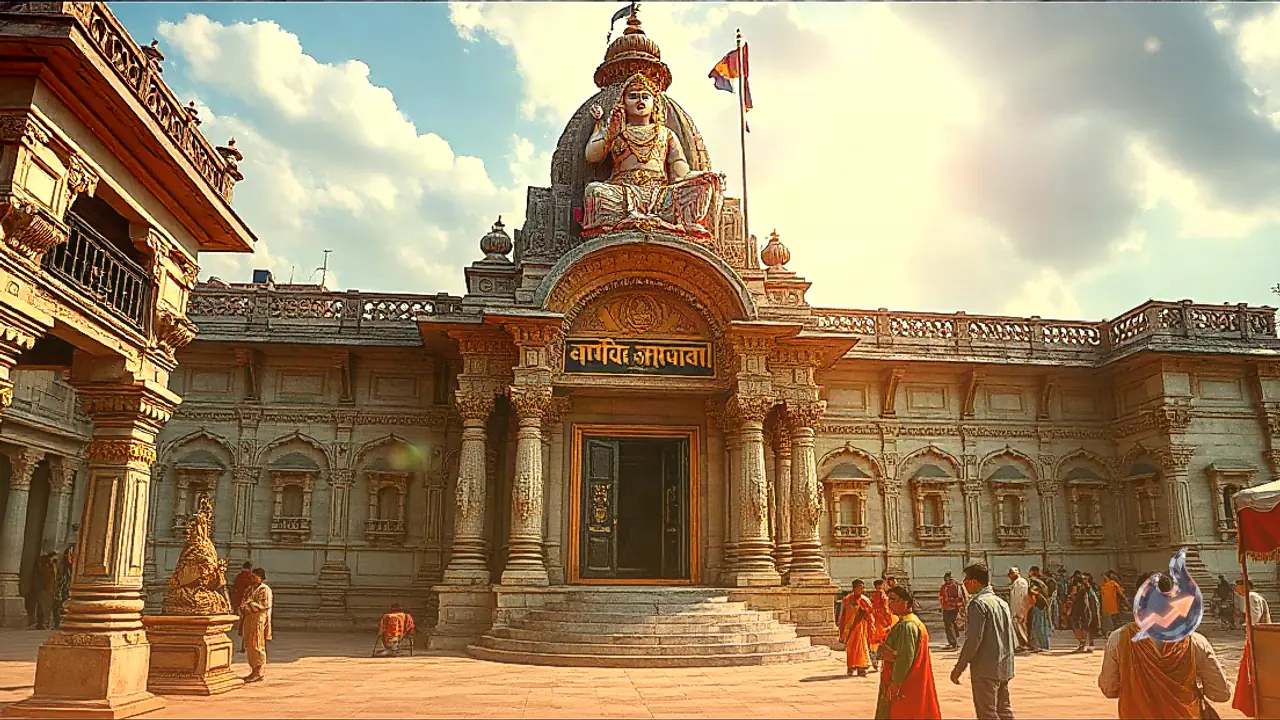





















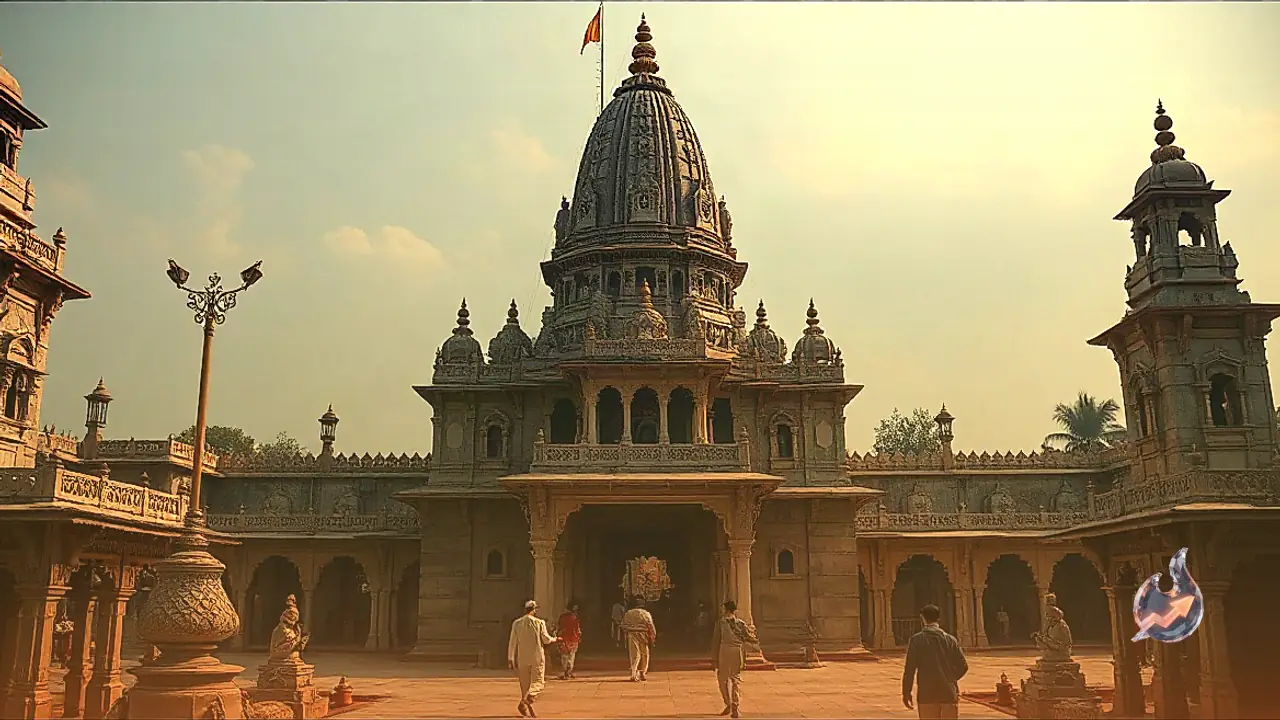

Located in the historic city of Nagaur, Rajasthan, the thousand-year-old Gopinath Temple in Bhagatawadi presents a fascinating blend of deep spiritual faith and unique traditions. In Hindu religious customs, worshipping a chipped or damaged idol is strictly prohibited, with guidelines mandating their immediate immersion in water. However, this ancient temple defies conventional norms. For generations, devotees here have lovingly worshipped a damaged idol of Lord Gopinath alongside beautiful statues of Radha-Krishna. It stands as the only temple in Rajasthan where an imperfect idol has not been replaced, but is instead revered with the same daily rituals as any intact deity. Visitors to this sacred site often experience a unique sense of warmth, feeling that the divine is not bound by rigid rules but is accessible through simple, heartfelt love.
The Divine Dream That Prevented the Idol's Immersion
The origins of this unique ritual are rooted in a deeply moving tale. Kamal Ji, a fourth-generation priest who has been serving at the temple for the last forty years, shares the historic events that led to this practice. Many decades ago, the thumb of the Lord Gopinath idol was accidentally chipped. Following standard religious practices, a wealthy local merchant decided to donate a new pair of Radha-Krishna idols so that the damaged one could be respectfully retired and immersed in water. He even brought the new idols to the temple premises. However, that very night, Lord Gopinath appeared in the merchant's dream in an incredibly gentle form. The deity playfully said that he had merely gone out to play and ended up injuring his thumb, asking if that was any reason to discard him. Touched by this divine message, the merchant and the temple authorities abandoned their plans to replace the idol. Since then, the damaged deity has remained in its sacred place, receiving daily prayers and offerings. This captivating legend has been passed down through generations of local families, drawing curious travelers and devout believers alike to witness this unusual phenomenon.
A Philosophical Parallel with Dakshineswar Kali Temple
This unusual practice of worshipping a damaged deity shares a profound philosophical connection with Kolkata's iconic Dakshineswar Kali Temple. History notes that at Dakshineswar's Radha-Govind temple, the idol of Lord Krishna fell and broke its leg on the day after Janmashtami. Several prominent scholars and priests recommended immersing the broken statue in the river. However, the mystic philosopher Swami Ramakrishna Paramahansa famously intervened with a poignant question. He asked whether a family would cast out their own child or relative if they met with an accident and became disabled. Following this very ethos of pure love and familial connection with the divine, the caretakers and devotees in Nagaur treat the deity as a member of their own household. Visitors to the temple offer their prayers to both the older chipped idol and the newer statues with equal reverence and devotion. This profound philosophical approach teaches that in the realm of true devotion, physical perfection is secondary to the purity of the emotional bond shared between the creator and the seeker.
Vibrant Festivities and Cultural Significance
The Gopinath Temple serves as a major hub of religious celebrations in the region, with Janmashtami being its grandest festival. Apart from the birth of Lord Krishna, the temple also celebrates Ram Navami, Hariyali Amavasya, and the holy month of Sawan with immense joy. During Sawan, a magnificent swing festival known as Jhulotsav is organized. The deities are placed on beautifully decorated swings, adorned with exquisite flowers and garments. Thousands of pilgrims from Nagaur and surrounding regions gather during these festive occasions to witness these rituals. Beyond mere religious rules, this centuries-old temple stands as a shining example of absolute devotion, proving that true faith is governed by pure love rather than rigid theological dogmas. Every visitor departs with a sense of peace, having witnessed a rare tradition where divine love transcends the physical limitations of form.