


















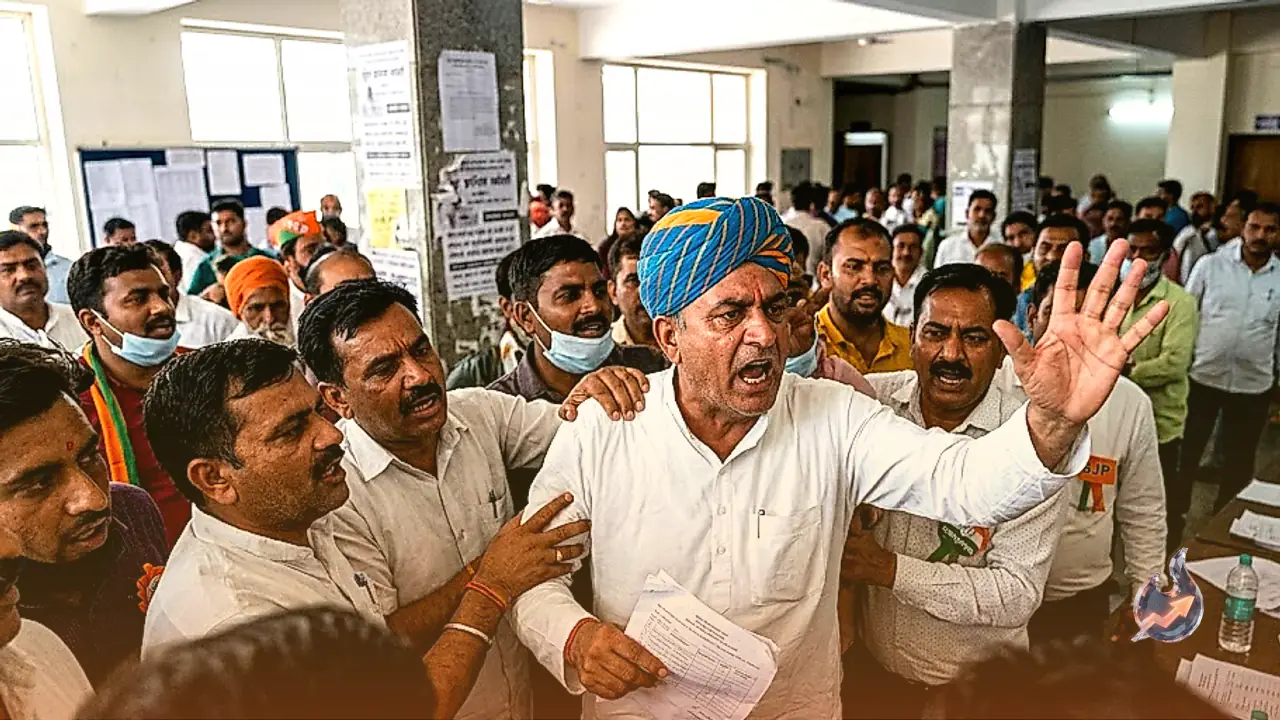

The completion of the nomination process for the urban body elections in Rajasthan has laid bare the intense internal factionalism and disputes surrounding ticket distribution within both major political parties. The process of candidate selection in the Bharatiya Janata Party and the Congress has brought party infighting to the surface. The situation reached a point where, in many wards, candidates were informed of the party's decision over the phone at the very last minute due to delayed consensus.
Uncertainty Persisted Until the Very End
The candidate selection process for the local body elections faced unusual delays, with discussions and meetings continuing right up to the final hours. In numerous wards, candidates were seen waiting anxiously at nomination centers for their party symbols to arrive. Some aspirants received their notifications through phone calls from party offices or senior leaders, which triggered immense resentment among grassroots workers who had dedicated years of service and expected to be rewarded with a ticket.
Balancing Pressures and Factions in the BJP
Within the BJP, finding common ground between local organizations, Members of the Legislative Assembly, and district presidents proved to be a challenging task across several wards. Discontent among party workers surfaced prominently in Jaipur and surrounding municipal jurisdictions. While the denial of tickets to veteran workers caused dismay in some areas, the induction of influential names on certain seats raised internal questions. This persistent tug-of-war forced the party leadership to repeatedly reconsider several probable names.
Rebellion and Discontent in the Congress Camp
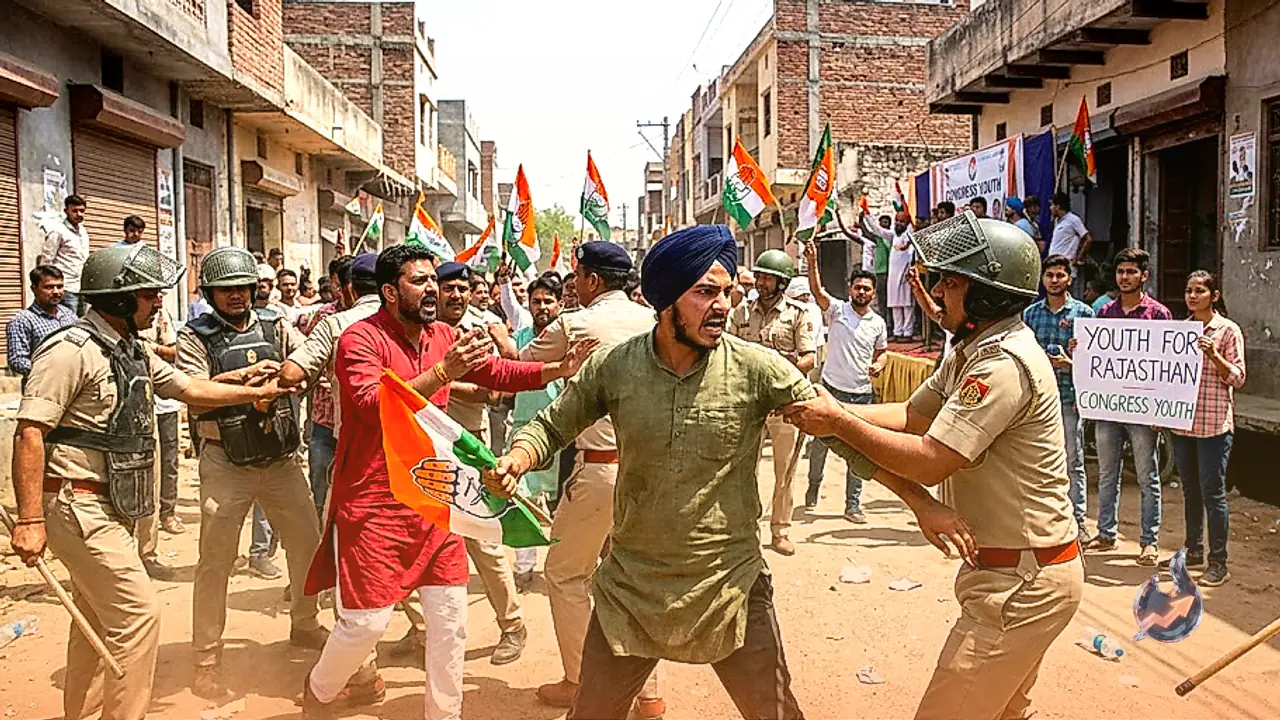
The Congress party experienced similar friction regarding ticket allocation, as sharp differences emerged among local leaders. The exclusion of former municipal councilors and long-standing claimants from the candidate lists sparked widespread anger in multiple wards. Reports of legislative favoritism and competing local recommendations came to the fore. In several Jaipur wards, open protests broke out after ticket announcements, with supporters accusing leaders of ignoring grassroots efforts and several disgruntled figures filing nominations as independent candidates.
The Heavy Influence of Political Families and Clout
The entire candidate selection exercise once again highlighted the dominant role played by political families and personal clout in local elections. In many wards, ticket contenders were backed by influential leaders, former councilors, or prominent political dynasties. This dynamic inevitably alienated regular party workers and dedicated grassroots members. Because local elections heavily rely on an individual candidate's direct community contact and familial backing, both major parties struggled to maintain a balance between organizational loyalty and electoral winnable prospects.
Containing Rebellions Remains the Ultimate Challenge
With the nomination phase concluded, the most pressing challenge before both political parties is to pacify disgruntled leaders and rebellious workers. In local elections, even a single vote holds critical importance, meaning that unresolved discontent could directly sabotage the prospects of official party nominees. Observers are now watching closely to see how swiftly the BJP and Congress can manage and appease their unhappy aspirants, as the political friction triggered by the battle between party discipline, personal preference, and dynastic influence continues to reverberate across the state.