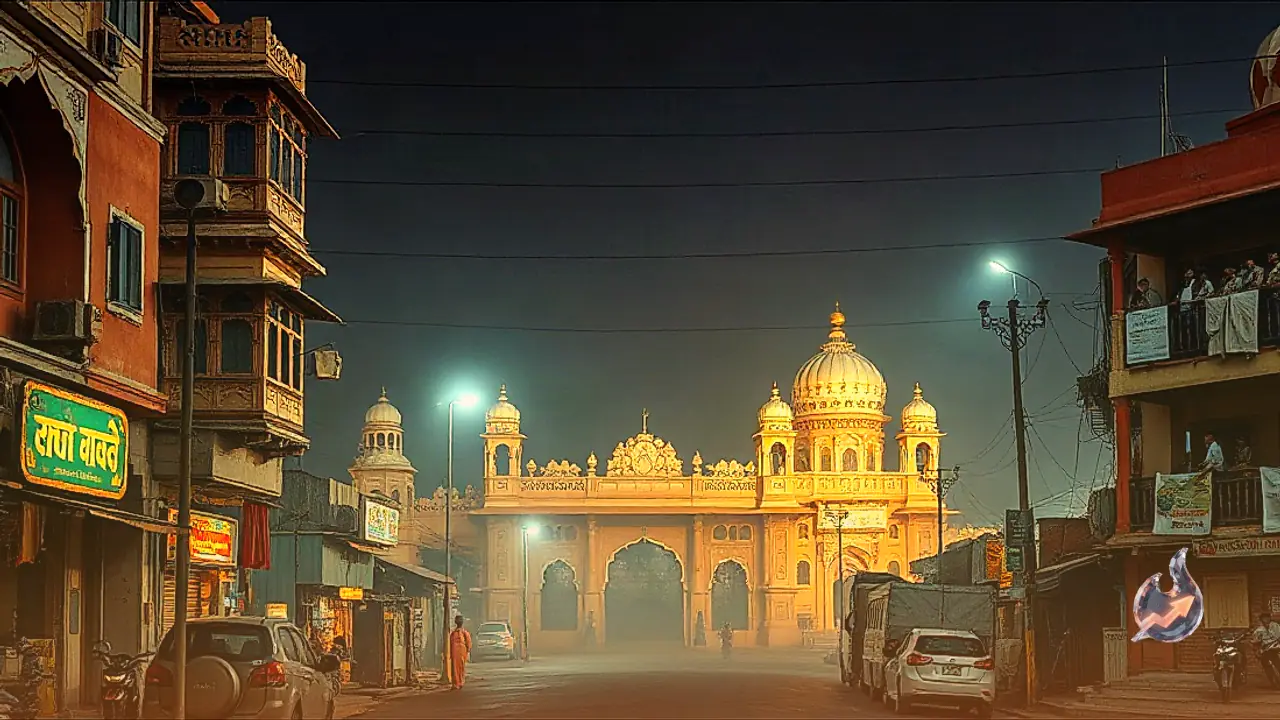



















Jaipur is widely celebrated for its grand palaces and historic architecture, but the foundations of the Pink City are equally steeped in rich religious traditions. When the city was originally planned and built, sacred spaces were integrated into almost every neighborhood, with a special emphasis on temples dedicated to various forms of Lord Krishna. Among these historic shrines, the Ladli Ji Temple located in Ramganj Bazaar within the walled city stands out as an extraordinarily unique spiritual landmark. This temple holds a singular distinction in the region, serving as a revered site where Lord Krishna is worshipped alongside Radha Rani and her eight closest companions.
The Journey from Vrindavan and the Devotion of Acharya Banshi Ali
The origin of this historic shrine traces back to the early days of Jaipur's establishment. During the city's foundational period, Acharya Banshi Ali of the Lalit Sampradaya arrived in Jaipur from Lalit Kunj in Vrindavan, bringing with him the sacred idols of Radha Rani and her eight sakhis. According to traditional accounts, Acharya Banshi Ali regarded Radha Rani as the divine manifestation of Lord Krishna's flute. He undertook rigorous spiritual penance for many years before constructing this magnificent temple structure.
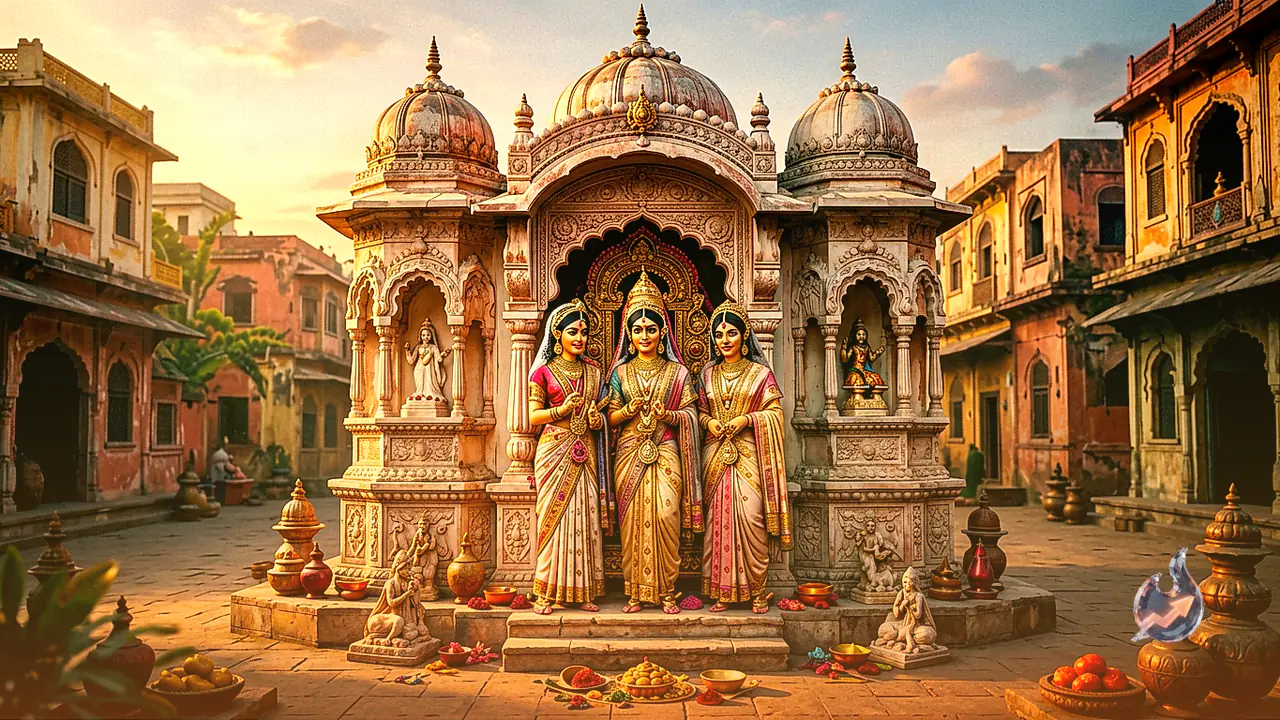
This shrine remains the only temple in all of Rajasthan where Radha Rani is consecrated together with Lord Krishna and all eight of her divine friends. Consequently, the Ladli Ji Temple has evolved into much more than a place of daily worship, serving as an enduring symbol of the cultural and social life of Jaipur.
The Eight Companions of Radha Rani and Festive Traditions
The eight sakhis enshrined inside the temple alongside Radha Rani are Lalita, Vishakha, Champaklata, Rangdevi, Chitralekha, Indulekha, Sudevi, and Tungavidya. Because the shrine emphasizes the devotional mood of Radha Rani, pilgrims and devotees visit throughout the year to seek divine blessings.
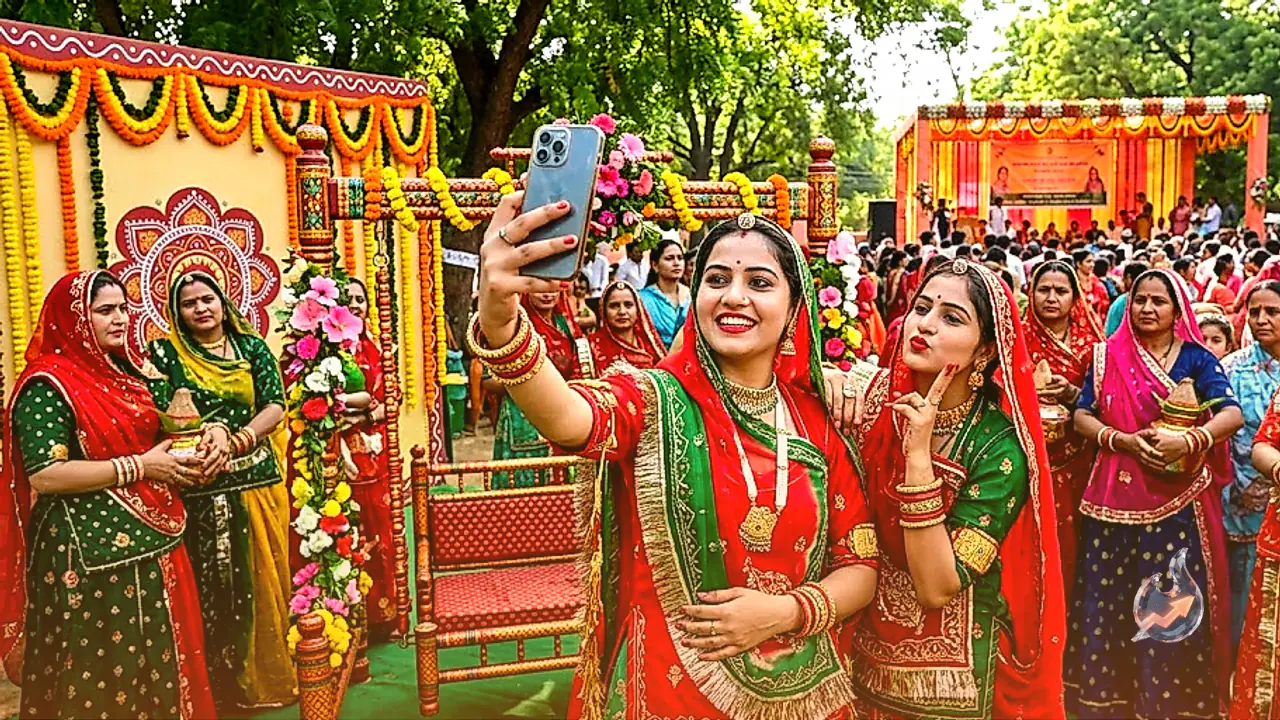
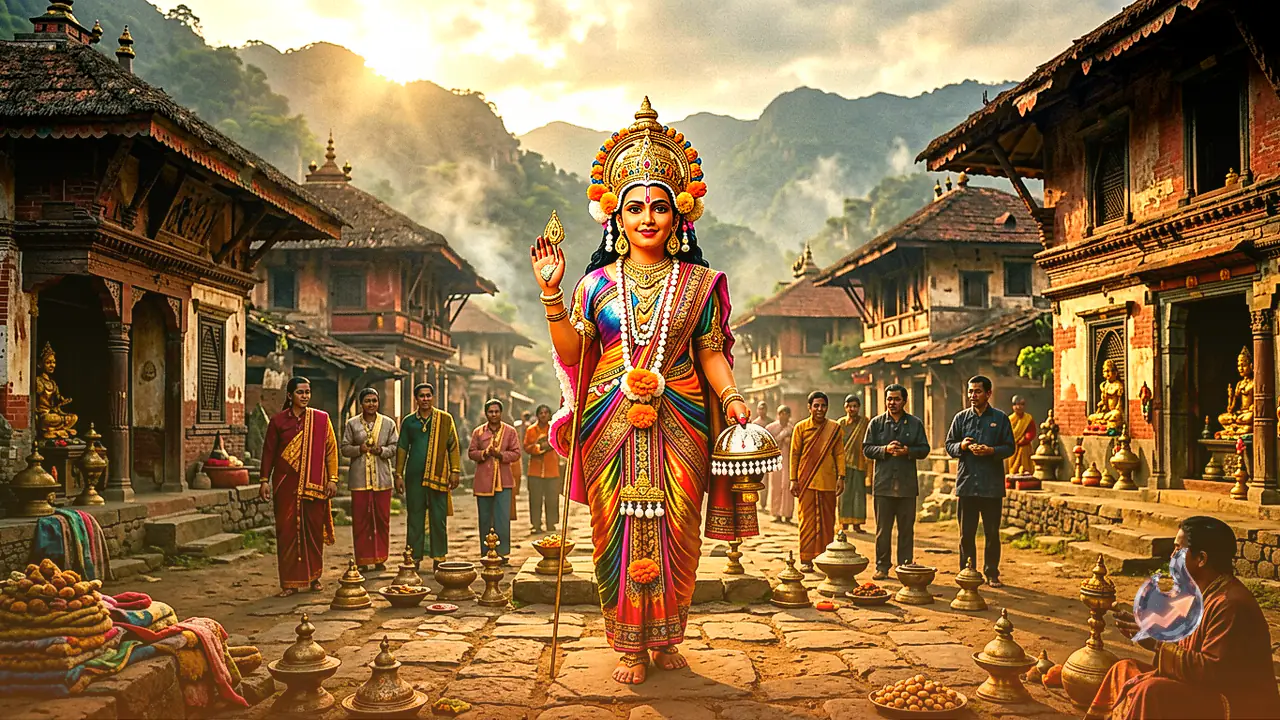
The temple atmosphere becomes especially vibrant during major festivals such as Jhoolnotsav, Radhashtami, and Janmashtami. During the Janmashtami celebrations, massive crowds gather to catch a glimpse of Lord Krishna in this rare iconographic form. Daily rituals include morning and evening aartis, traditional rag-bhajan singing, and elaborate live tableaux presented on special occasions. Even as Jaipur modernizes, the younger generation continues to maintain a strong spiritual connection to this centuries-old sanctuary.
Haveli-Style Architecture and Craftsmanship Preserved Across Centuries
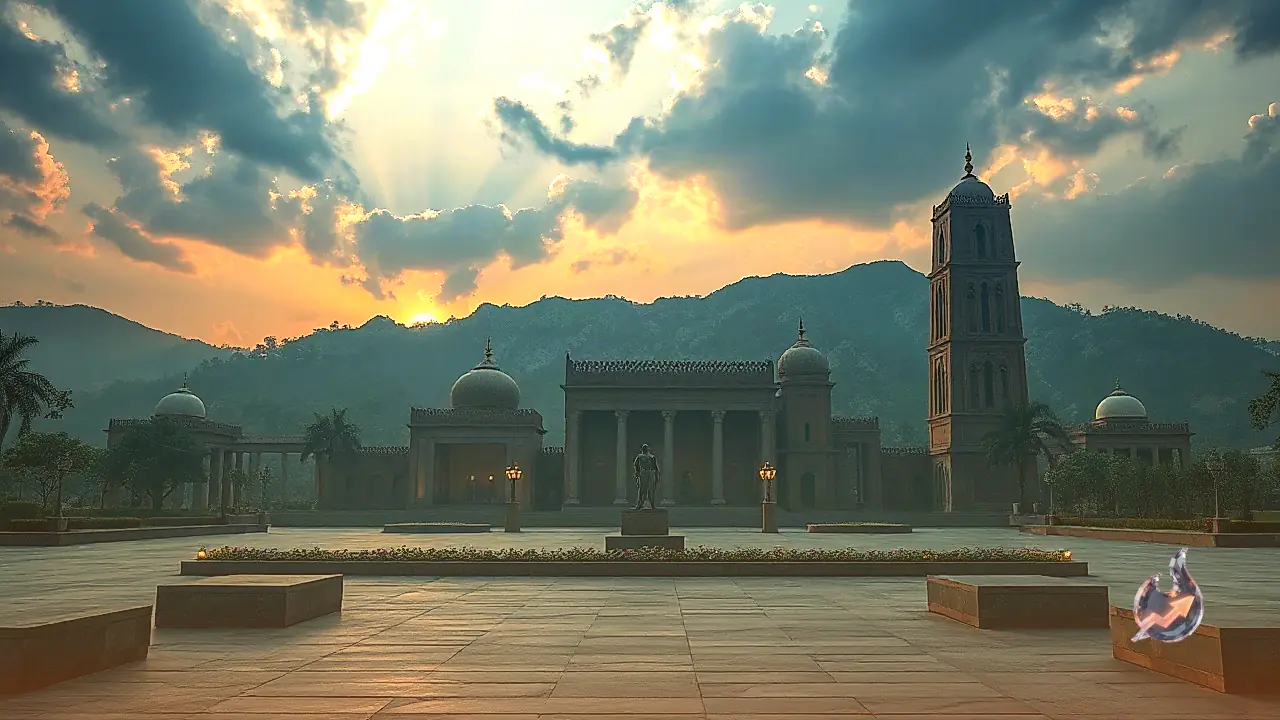
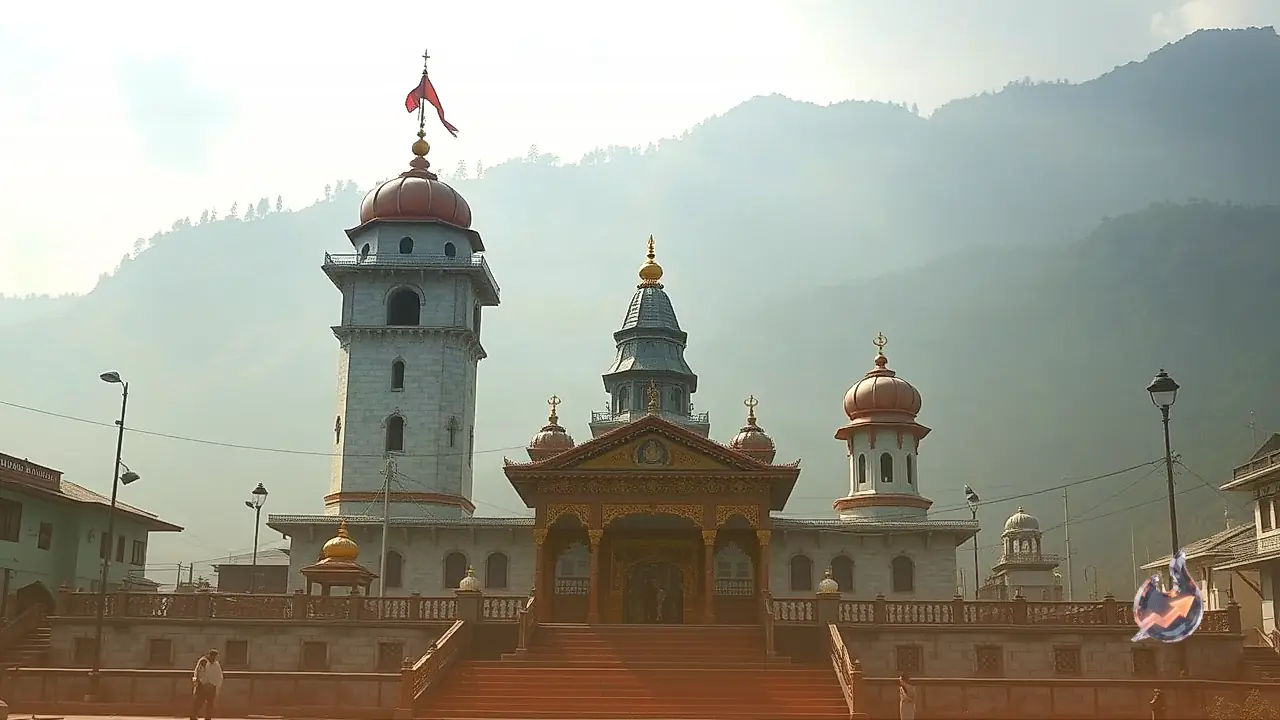
Architecturally, the Ladli Ji Temple is a masterpiece of classic Jaipuri design, constructed in the traditional haveli style characteristic of the city's oldest religious structures. The sanctum sanctorum of the temple is crafted using a blend of fine white marble and red sandstone. Carved arched gateways and an ornate central spire lend the structure a majestic and distinguished appearance.
The intricate wall carvings and delicate masonry inside the sanctum serve as a lasting testament to the remarkable skills of 18th-century artisans. Nearly 290 years after its establishment, the temple stands exceptionally well-preserved, captivating visitors with its timeless aesthetic charm. Generation after generation, the hereditary priests have faithfully carried forward the sacred daily rituals and services dedicated to Lord Krishna, Radha Rani, and her eight sakhis.