
A fresh agricultural experiment is underway in the arid regions of Rajasthan to modernise and diversify crop production. Researchers at Swami Keshwanand Rajasthan Agricultural University have initiated a study to explore the feasibility of growing yam, commonly known as suran, within the dry climate of Bikaner. While this tuber crop is traditionally grown by tribal communities in southern districts like Banswara, Pratapgarh, and Udaipur, and extensively produced in Bihar, no notable efforts had previously been made to cultivate it in desert environments. University experts have now planted the crop as a unique trial to observe its adaptability.
Expanding Beyond Traditional Humid Regions
Suran is widely recognised as a nutritious tuber crop valued both for its culinary uses and its rich medicinal properties. Although it thrives effortlessly in the moist soils of southern Rajasthan and Bihar, the dry weather of desert zones has traditionally kept it away from local farms. Faculty member Dr. Rajendra Singh Rathore explained the details of this ongoing study, noting that the university is actively testing how well the crop can adjust to local weather conditions.
Intercropping Among Decades-Old Date Palms
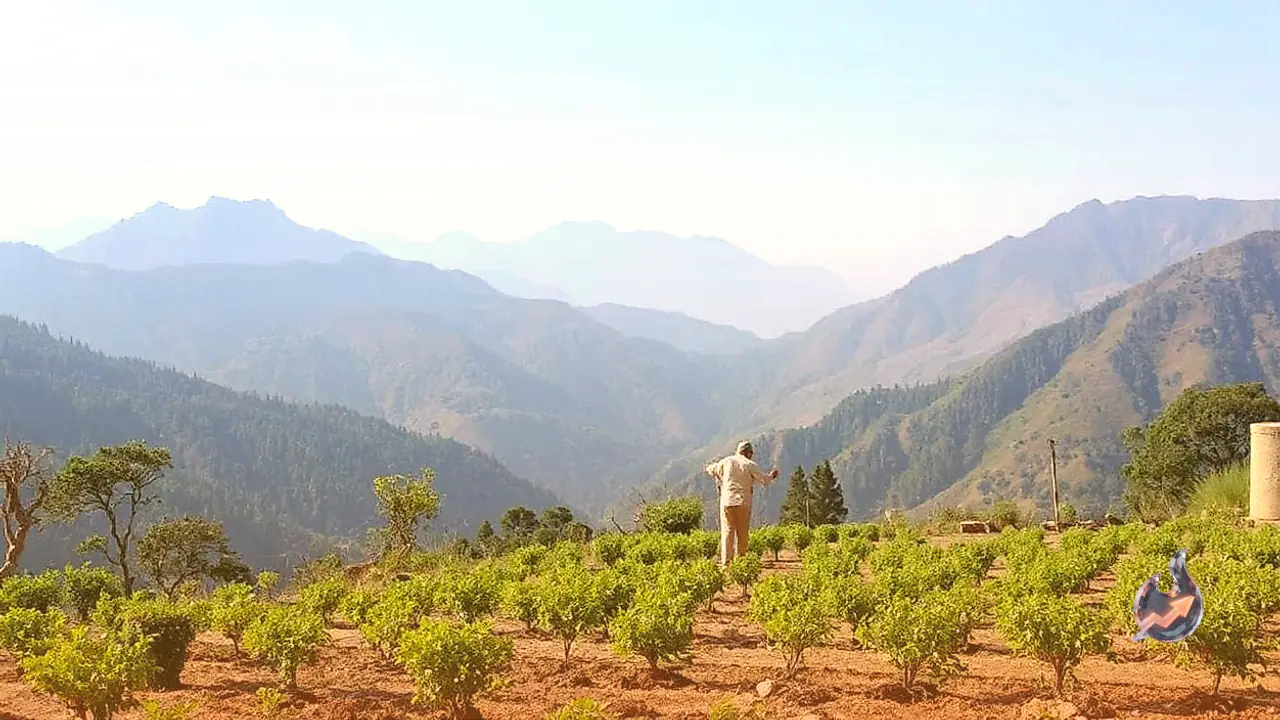
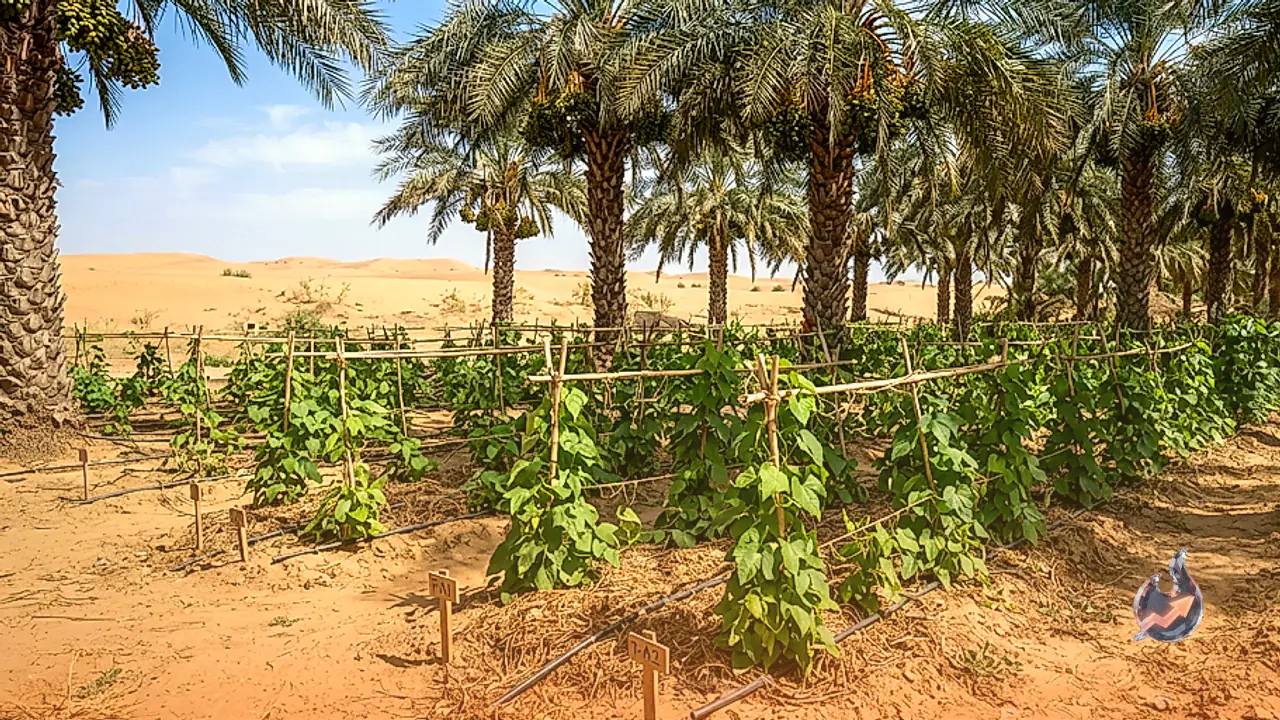
The research initiative was inspired by the institution's Director of Research, Dr. N.K. Sharma, as part of broader efforts involving tuber crops. The primary objective of the study is to determine how successful yam can be as an intercrop within established orchards. For this purpose, saplings were planted in the vacant spaces between roughly 30-year-old date palm trees at the university farm, allowing researchers to evaluate whether land beneath existing trees can be productively utilised for secondary yields.
Encouraging Early Growth and Yield Expectations
High-quality seeds for the trial were sourced from the agricultural university in Udaipur. According to Dr. Rathore, the crop was planted about a month ago, and the initial growth observed so far has been highly encouraging. Experts anticipate that the crop will reach full maturity in roughly three months, potentially yielding between four and five kilograms of produce per plant. However, exact production figures can only be determined once the harvest is complete.
A Potential New Revenue Stream for Farmers
Although Bikaner does not currently possess an established local market for yam, the immediate goal of the university is to evaluate its viability in desert conditions. If the trial yields positive outcomes, large-scale cultivation opportunities will be explored in the future. Given that date palm farming is already running successfully in the region, successfully pairing it with a tuber crop could grant local growers a valuable opportunity to secure extra production and income from the exact same plot of land. The upcoming three months will be critical in deciding the success of this experiment.