
With the arrival of winter, the severe drop in temperature begins to take a heavy toll on the health of speechless animals alongside humans. During this chilly season, dairy animals such as cows and buffaloes face a significantly heightened risk of contracting pneumonia. Pneumonia is a serious respiratory condition that causes severe breathing difficulties in livestock, leading them to gradually reduce their food and water intake. If this disease is not identified and treated promptly in its early stages, it can prove to be fatal for the animals. Consequently, livestock owners across Dholpur and the entire region need to pay special attention to the health and care of their animals during these winter months.
Veterinary doctors point out that extreme cold weather can weaken the immune system of animals. This vulnerability rapidly increases their susceptibility to various types of infections. Throughout the winter season, cases of viral, bacterial, and parasitic pneumonia are reported in greater numbers among livestock. Additionally, improper administration of medicines or liquids can sometimes cause fluid or food particles to enter the animal's lungs, which also leads to pneumonia.
Recognizing Early Symptoms of Pneumonia
It is crucial for livestock owners to promptly identify the initial signs of pneumonia. When affected by this illness, the animal's nose begins to discharge a continuous thin watery fluid. The animal often experiences considerable distress while breathing, turns lethargic, and completely stops eating fodder. Furthermore, the body temperature of the affected animal can rise well above normal levels. Medical professionals advise that upon noticing any such warning signs, owners must avoid any negligence and immediately consult a nearby veterinary doctor to begin treatment.
Shelter Management and Balanced Nutrition
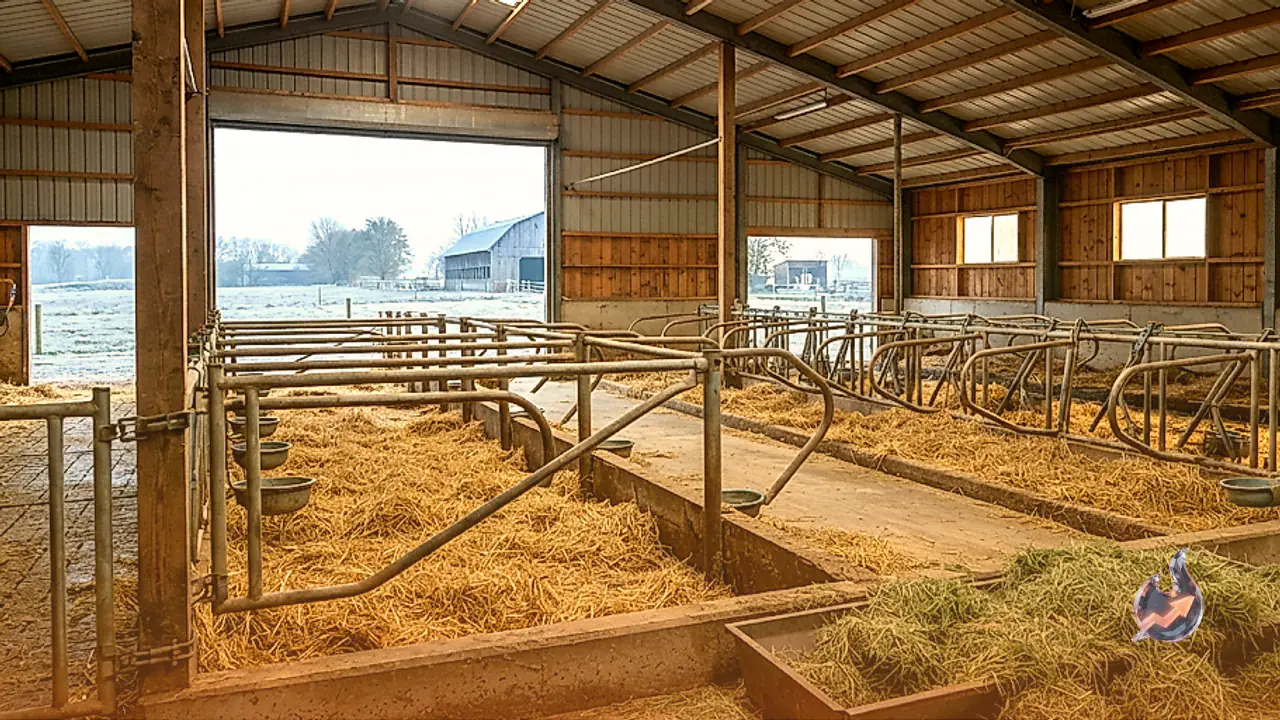
To protect animals from pneumonia during winter, the most vital measure is keeping them in a consistently dry, clean, and warm environment. Securely enclose the animal shed on all sides using sacks, tarpaulins, or thick curtains to block direct cold drafts. When the cold becomes intense, heating arrangements like heaters or bonfires can be made safely as needed. Furthermore, provide animals with an energy-rich, balanced diet containing essential nutrients and calcium. Always offer them clean and slightly lukewarm water for drinking during the cold weather.
Care for Newborn Calves and Regular Checkups
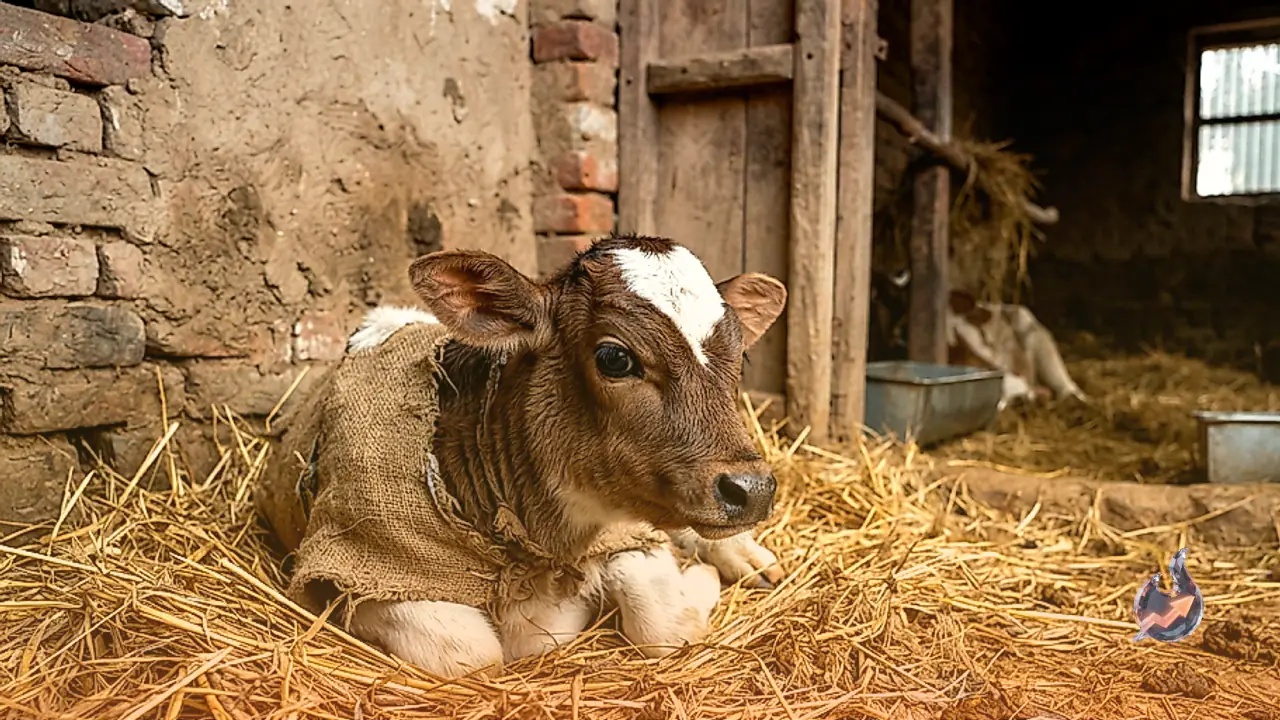
During the winter season, newborn calves are at a much higher risk of contracting pneumonia compared to adult animals. Therefore, immediately after birth, calves must be fed the mother's first thick milk, known as colostrum, which strengthens their immune system. Pay special attention to cleaning the naval area of calves, as dirt spreads infections very rapidly. Keep them protected from dampness and cold winds by housing them in warm areas. Farmers should refrain from feeding leftover, stale, or spoiled food to their livestock and administer deworming medications periodically under veterinary guidance. Regular health evaluations and proper care can easily safeguard animals from this severe disease.