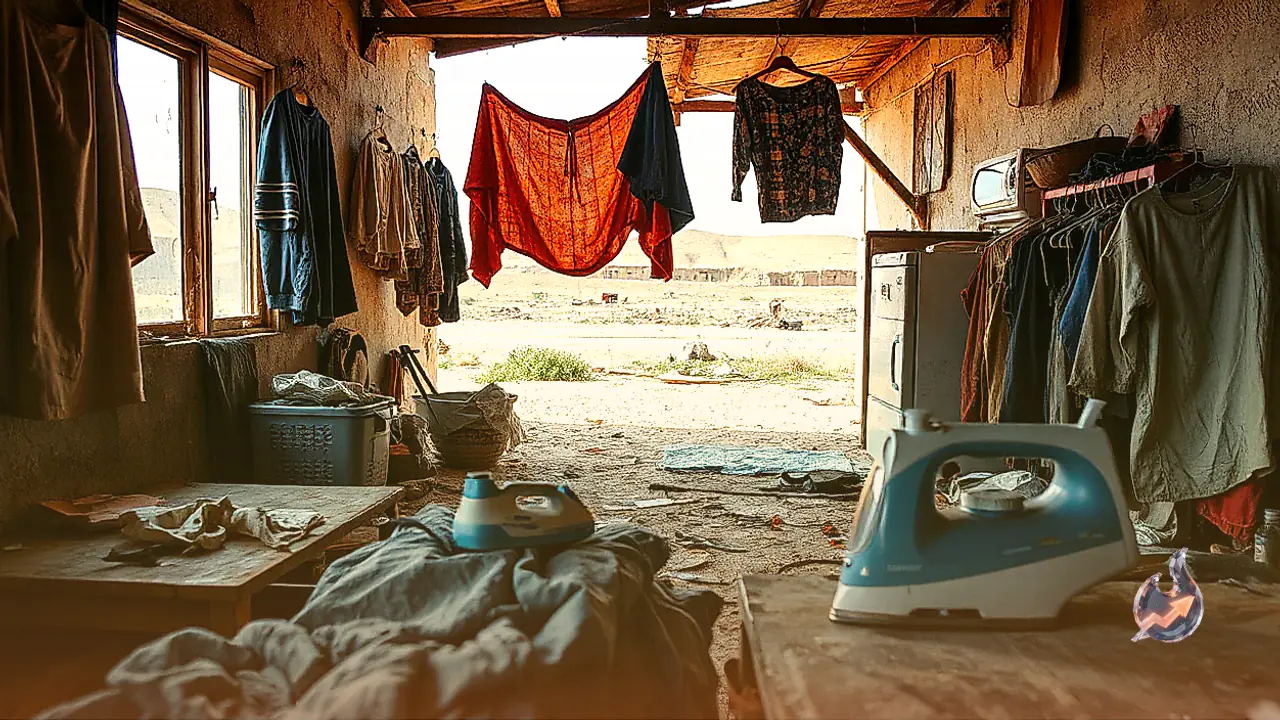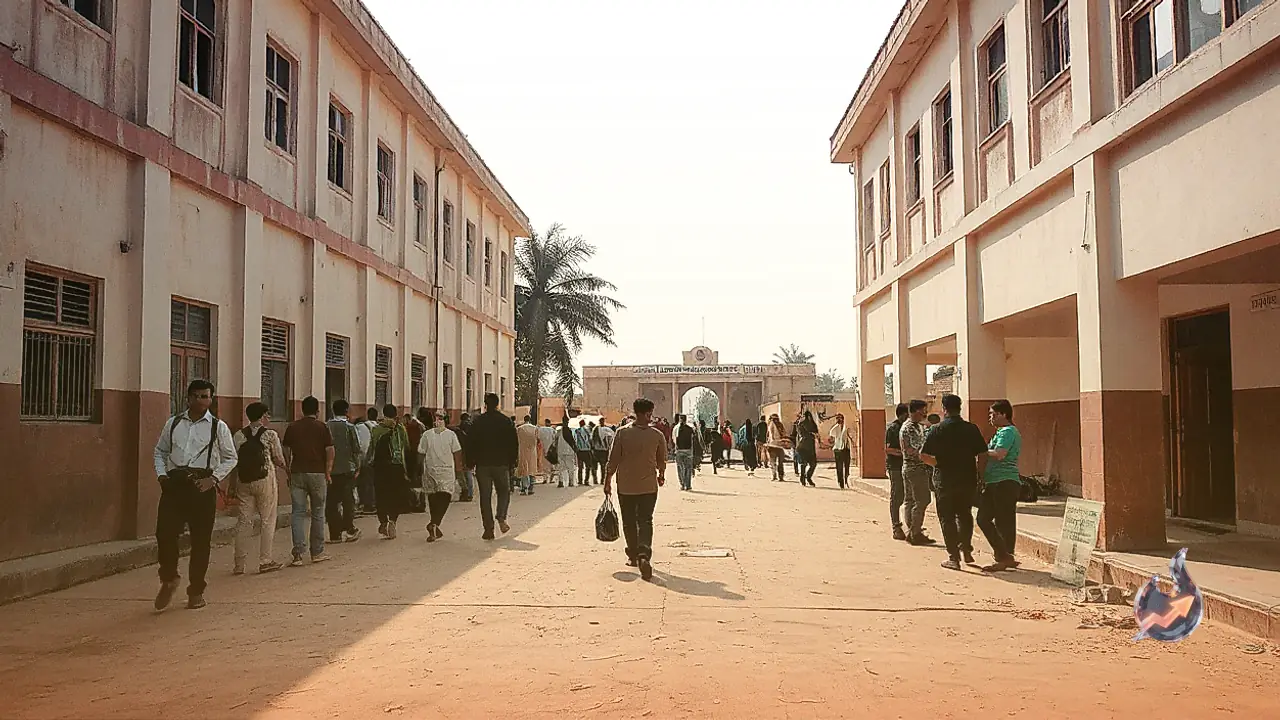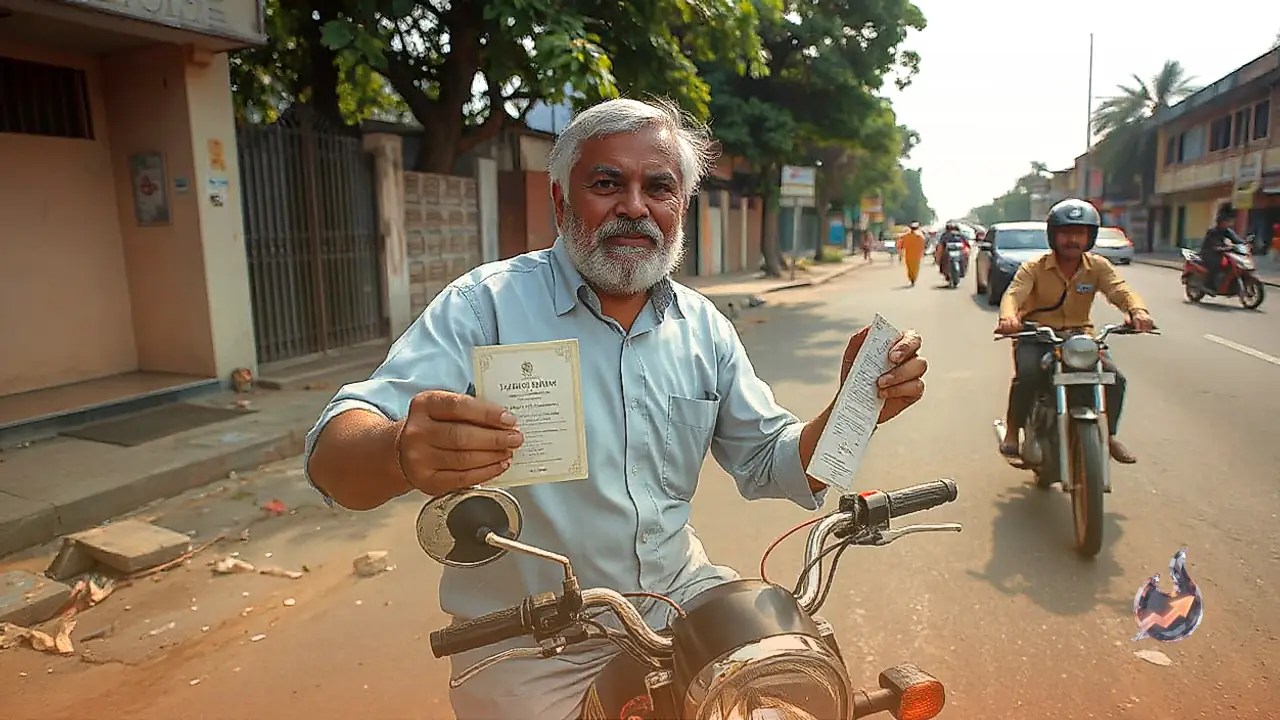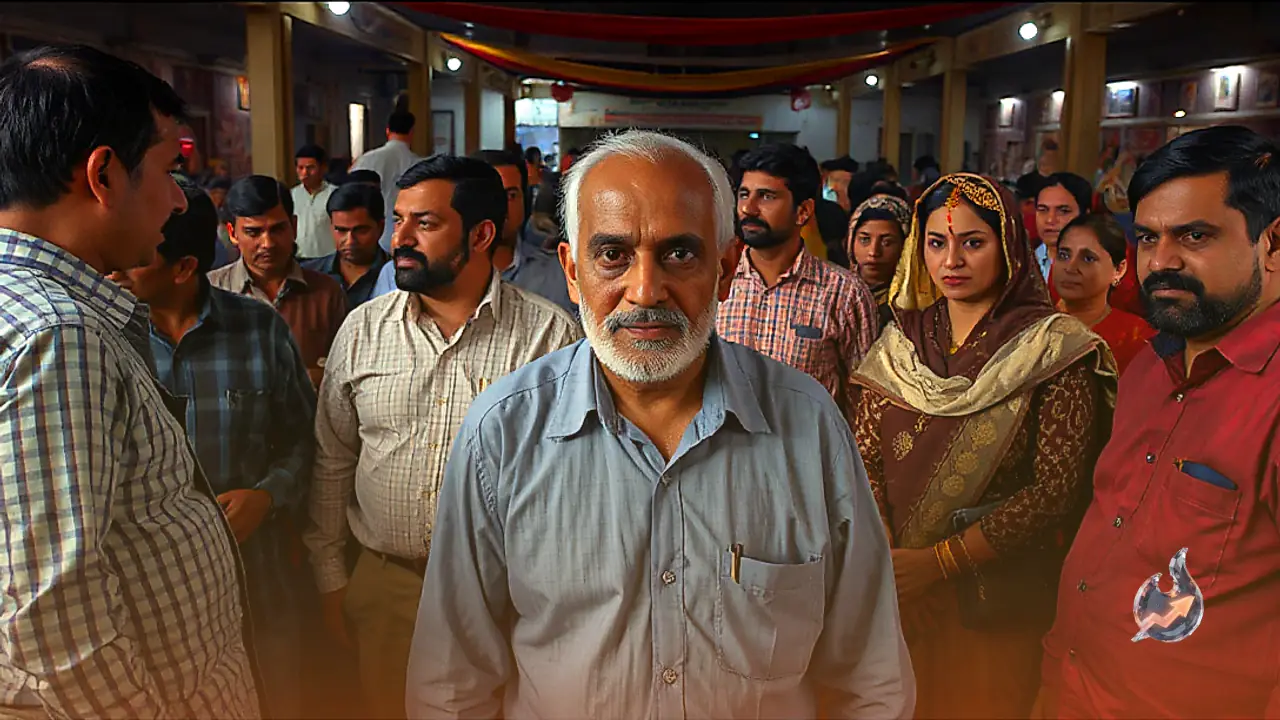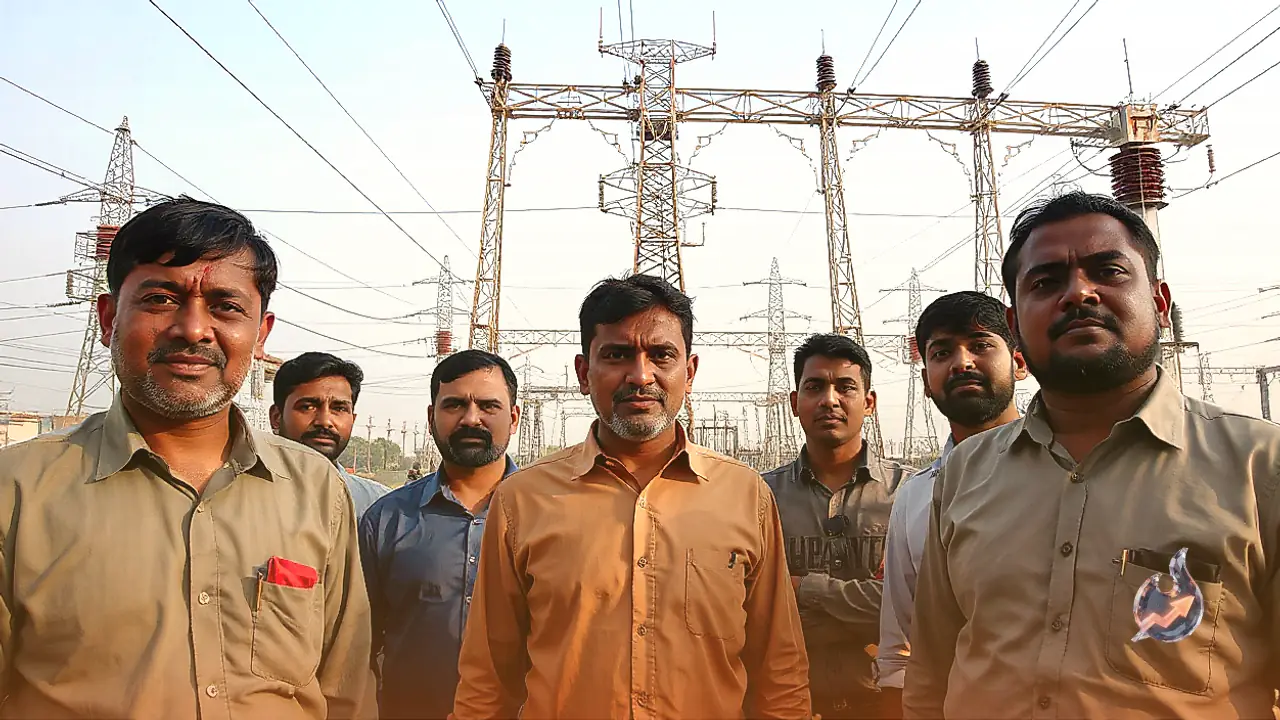
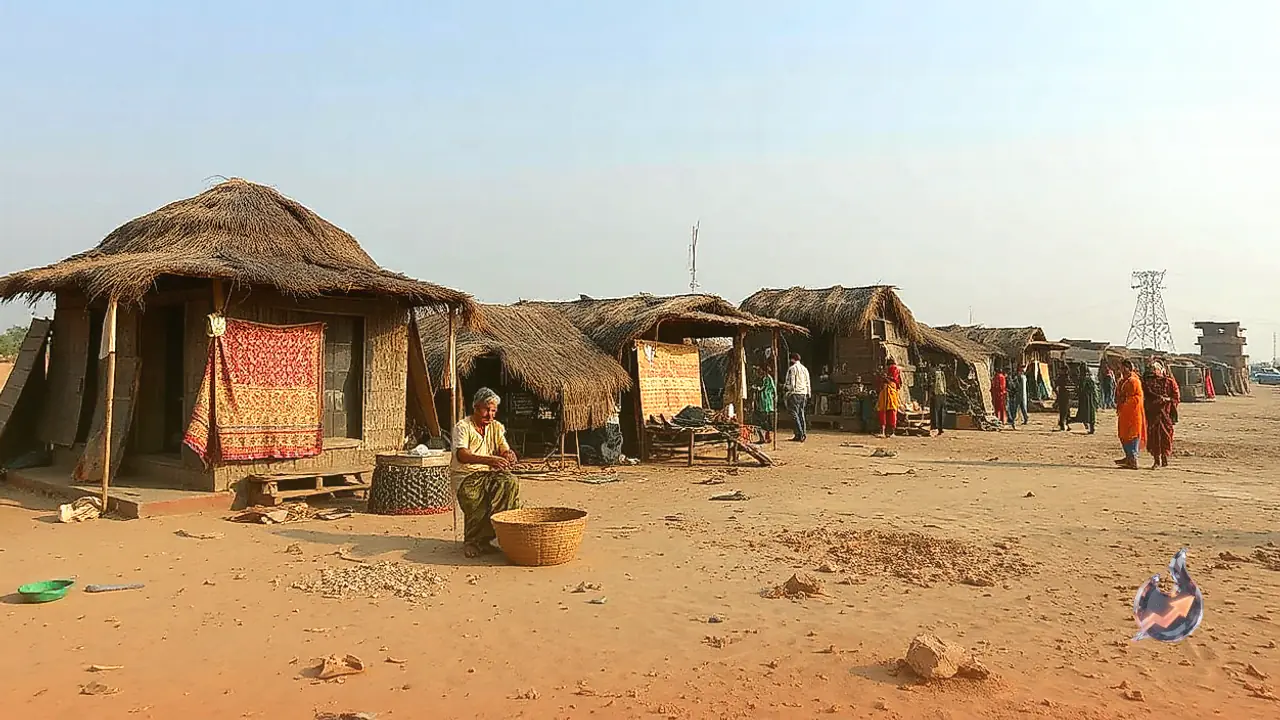
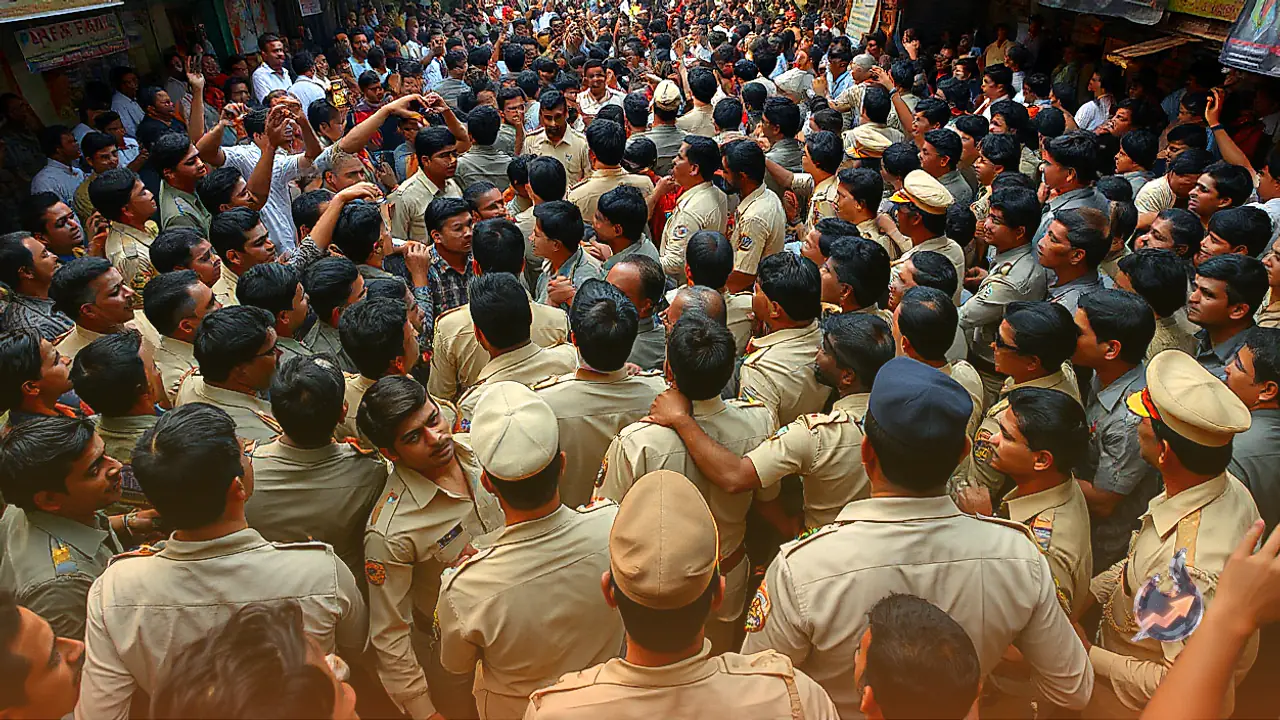


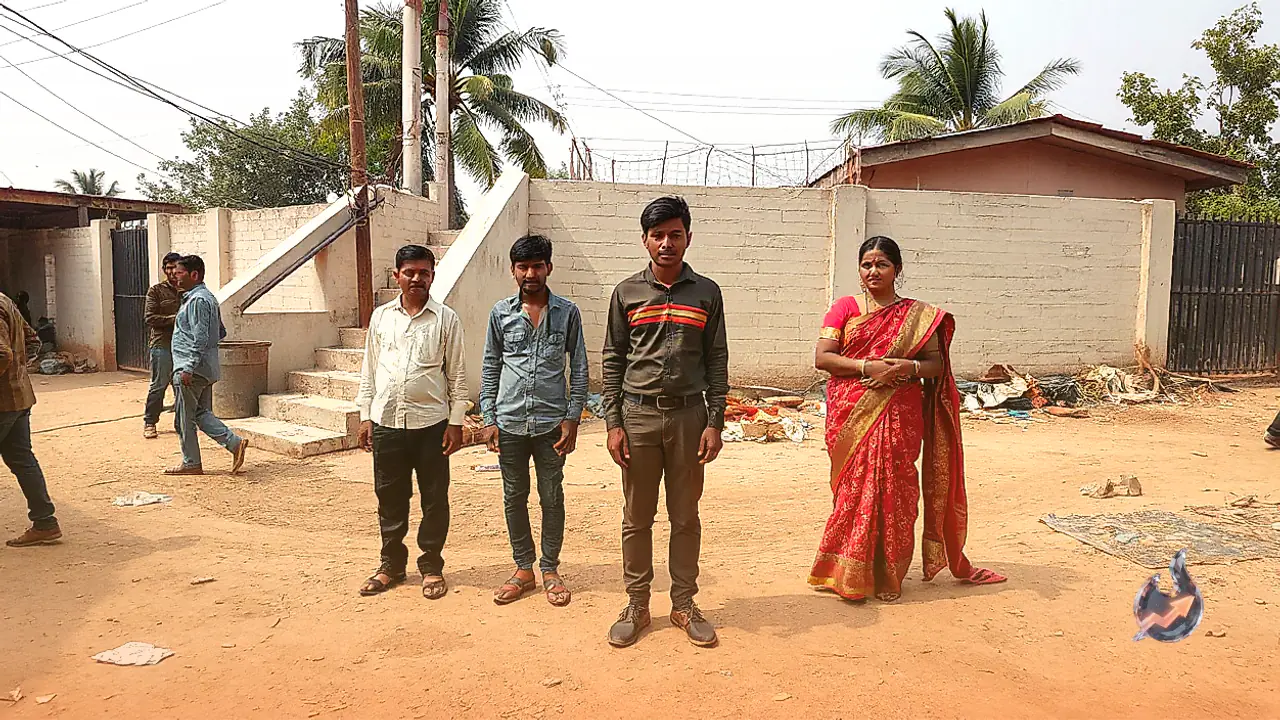















The historic industrial city of Pali in Rajasthan, which long served as the heart of commerce, employment, and prosperity across the Marwar region, is currently enduring an unprecedented crisis. A textile manufacturing center that once sustained the livelihoods of thousands of households is now witnessing widespread factory closures, mass unemployment, and profound economic distress. The local cloth processing units have ground to a complete halt, compelling traders, entrepreneurs, and factory workers to look beyond state borders simply to keep their businesses afloat. However, this enforced migration of work has begun exacting a terrible human toll that extends far beyond corporate ledgers and financial balances.
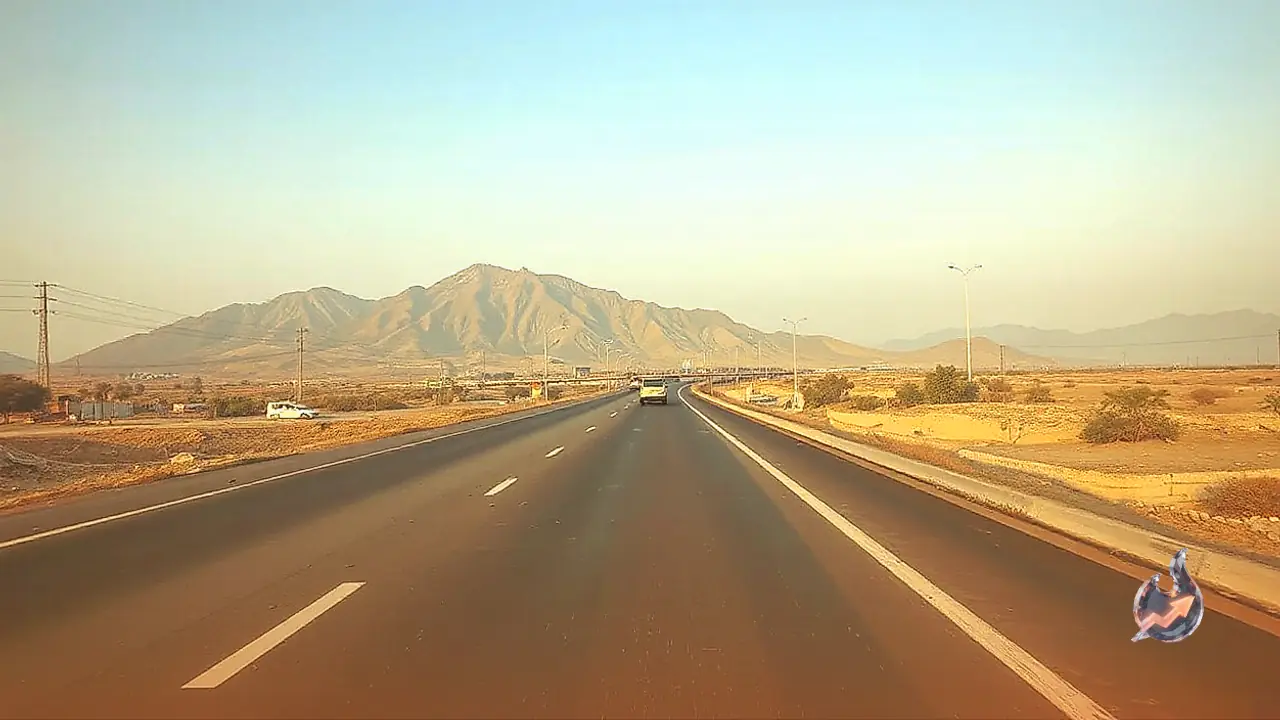
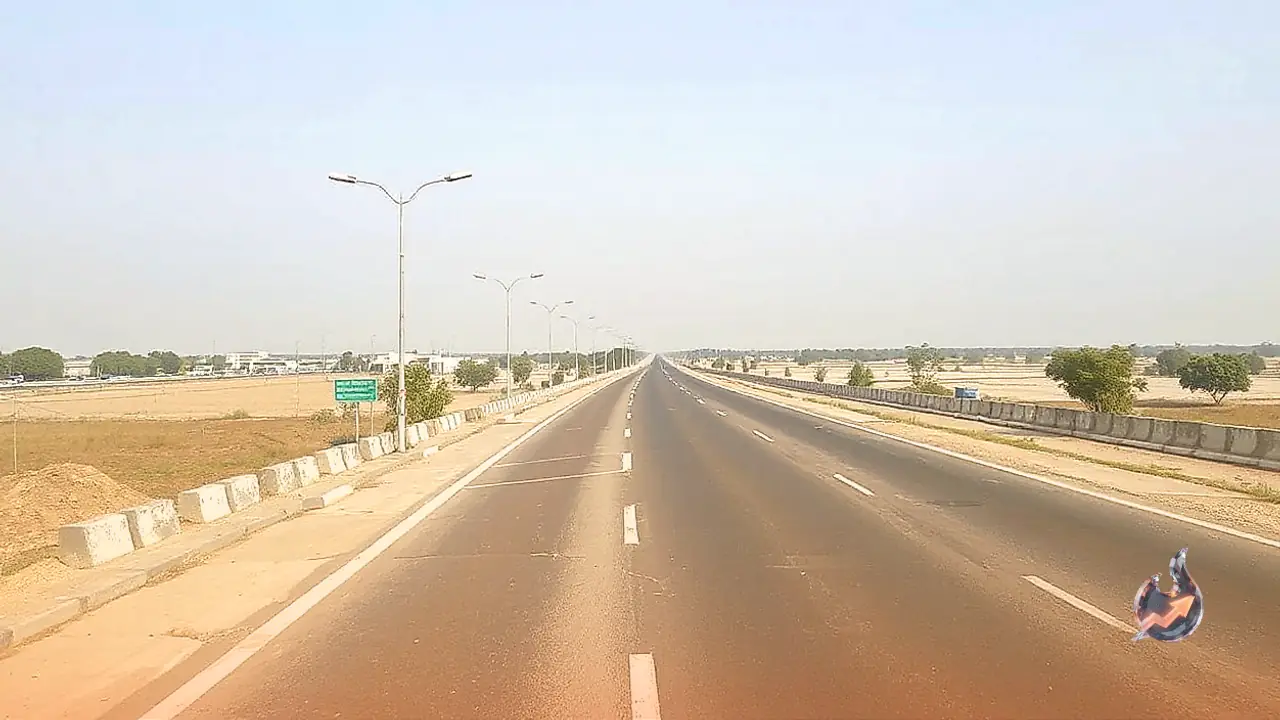
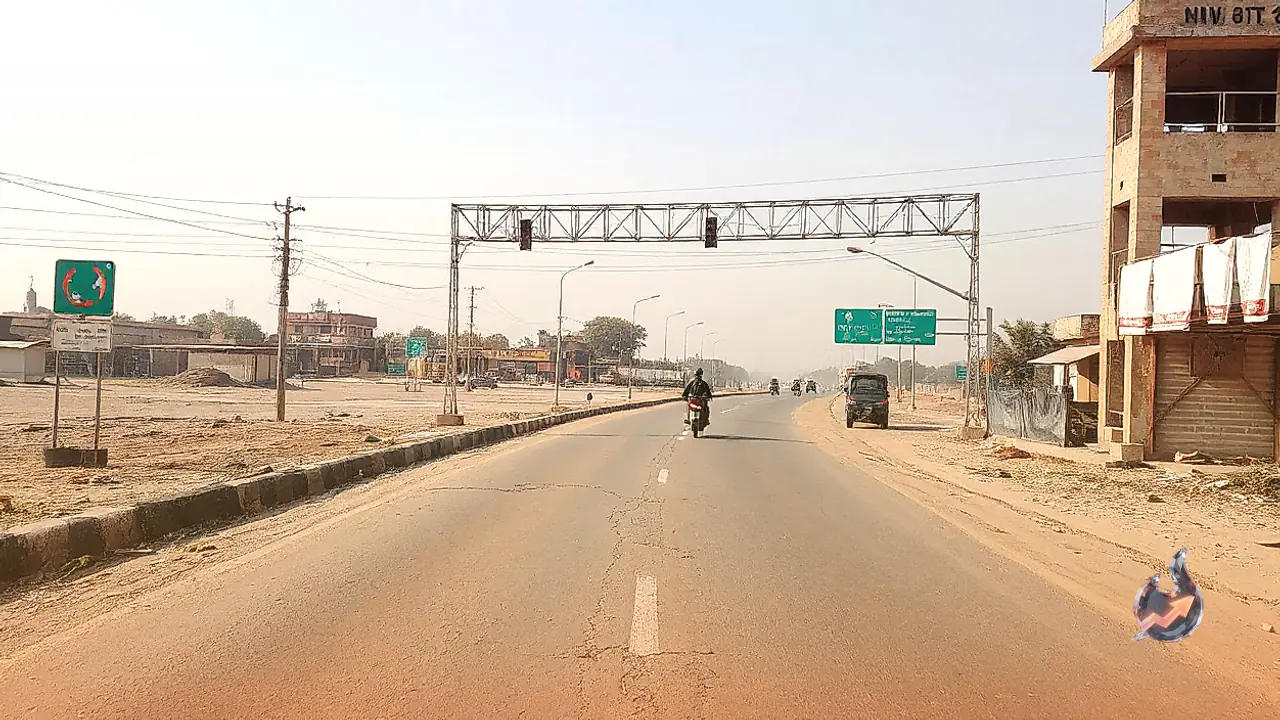
A horrific incident on the highway between Rajasthan and Gujarat recently laid bare the grim reality confronting the local business community. An uncle and nephew traveling late at night from Pali to Ahmedabad to get their textile stock processed lost their lives when their car crashed into a stationary trailer parked along the route. The tragedy has sent shockwaves through the entire district. Residents, labor unions, and trade representatives refuse to view the occurrence as an isolated traffic mishap, arguing instead that it is the direct, tragic consequence of Pali's paralyzed industrial infrastructure forcing people to risk their lives on treacherous night routes.
The Fall of the Renowned 'Poplin City' of Marwar
For decades, Pali commanded national respect under the title of India's 'Poplin City.' The foundational roots of this flourishing textile hub were planted during the 1970s and 1980s as small-scale production workshops. Through the ingenuity, specialized craftsmanship, and persistent endeavor of local entrepreneurs, the city expanded rapidly, transforming into the country's most formidable manufacturing hub for poplin fabric and premium cotton textiles. The region set national benchmarks in volume and technique for cotton processing, specialized poplin dyeing, and intricate textile printing.
This industrial ecosystem did not merely provide wealth for local residents; it served as a primary lifeline for hundreds of thousands of migrant workers who traveled from Bihar, Uttar Pradesh, Odisha, and Madhya Pradesh in search of stable wages. The roadways and freight corridors of the city operated round the clock, packed with transport carriers, raw yarn supplies, and finished garments moving to major consumer markets. The textile sector was universally acknowledged as the fundamental economic spine of Marwar. Today, however, those bustling streets are eerily quiet, smokestacks remain dormant, and the community is experiencing its darkest period since modern industry took root.
Regulatory Pressures, Plant Failures, and Severe Water Deficits
Veteran traders with decades of market experience note that Pali has never encountered a systemic collapse of this scale. The complete breakdown of the textile framework stems from a compounding series of institutional, technical, and environmental bottlenecks. Stringent regulatory mandates enforced by the NGT placed tight restrictions on plant operations, while persistent technical malfunctions across the Common Effluent Treatment Plant crippled the city's centralized industrial wastewater treatment capacity. Exacerbating these obstacles is an acute local water scarcity, which struck at the core of a sector entirely dependent on reliable water reserves for wet processing.
Faced with inoperable local facilities, the entire production chain collapsed. Because raw cloth can no longer be bleached, dyed, or processed within the district, manufacturers are left with no practical alternative. To fulfill contractual commitments and prevent total business failure, merchants must transport consignments hundreds of kilometers south to processing facilities in Ahmedabad. This logistical detour adds severe operational expenses, drains local capital, and imposes exhausting travel burdens on business owners and drivers alike.
The Treacherous Nocturnal Journey Between Survival and Fatality
The prolonged shuttering of manufacturing facilities has pushed local entrepreneurs into a perilous daily routine. With working capital locked up in unprocessed cloth, merchants frequently embark on rushed journeys during late night hours to reach Ahmedabad processing units by dawn. The recent highway crash that claimed the lives of two family members has underscored the immense danger of these journeys. Community members emphasize that had processing plants been operational in Pali, there would have been no requirement for business owners to navigate dark highways over hundreds of kilometers.
Following this fatal crash, a palpable sense of anxiety and dread has gripped the families of textile traders, entrepreneurs, and commercial drivers across the city. Households now face an agonizing dilemma. If family members refuse to travel, factories remain shuttered, debts accumulate, and prolonged financial ruin looms directly ahead. Conversely, choosing to travel means placing lives at the mercy of speeding night traffic, unlit highways, and heavy commercial vehicles. While families are increasingly hesitant to see their loved ones depart for Ahmedabad, the stark necessity of earning a living and keeping trade networks alive continues to force them onto the highway.
A Severe Humanitarian Emergency Threatening Generations
When industrial mills fall silent, the damage goes far deeper than static equipment and cold iron machinery. The closure directly shatters the aspirations of thousands of families, cutting off household food supplies, ending educational opportunities for children, and extinguishing decades of built-up security. Pali's ongoing industrial paralysis is no longer just an administrative technicality or a commercial downturn; it has turned into a pressing humanitarian crisis.
Experienced textile artisans, dye masters, and machine operators find themselves without wages, while many are forced into distress migration to survive. Without rapid and comprehensive interventions from regional administrators and state authorities to resolve effluent treatment challenges, address water supply bottlenecks, and restart closed industrial units, this cycle of joblessness, outward migration, and tragic highway accidents will continue to claim the futures and lives of countless more citizens.