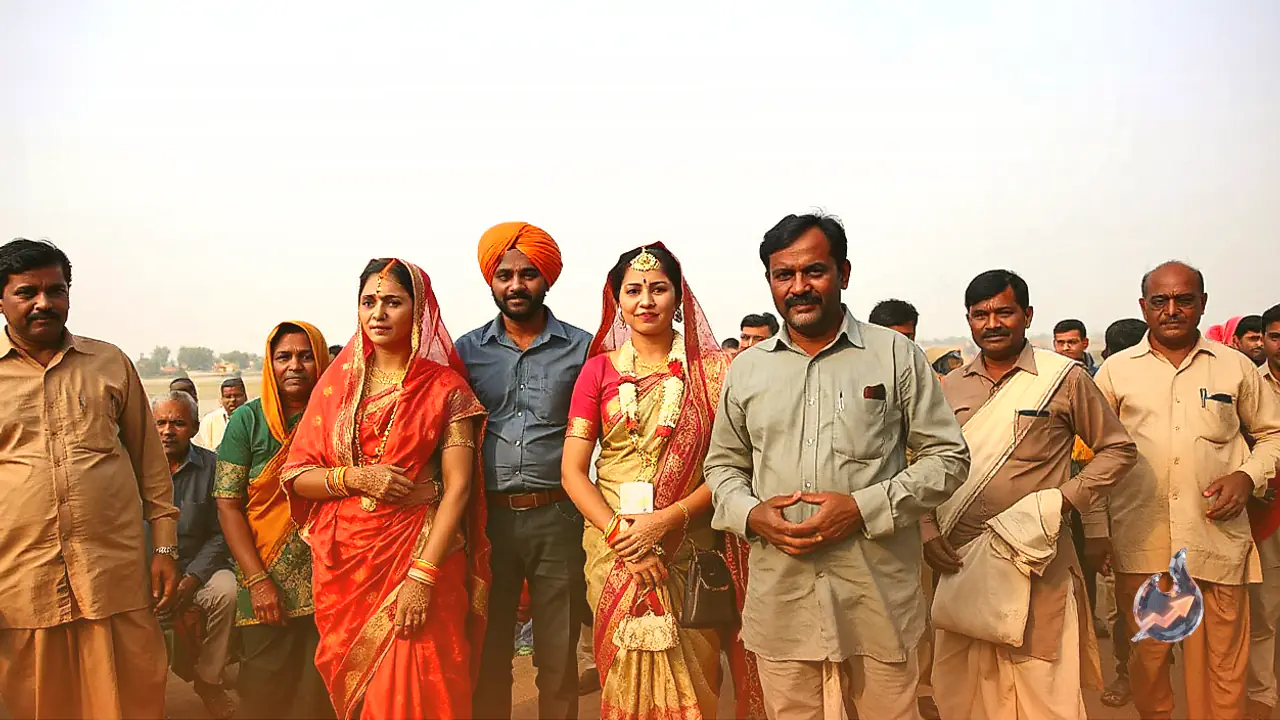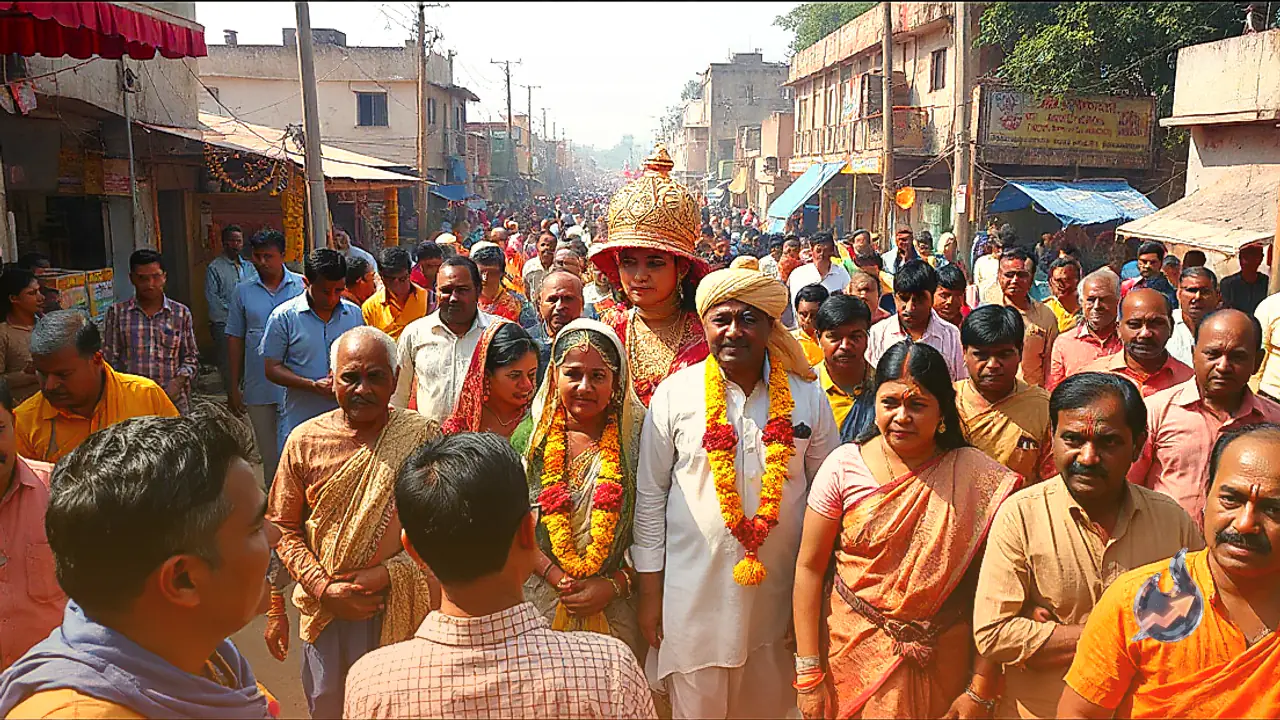

The town of Sultana in Jhunjhunu district witnessed a unique confluence of deep faith, devotion, and Sanatan culture on the auspicious occasion of Devuthani Ekadashi. The ceremonial wedding of Lord Shaligram and Mata Tulsi was organized with great enthusiasm and traditional rituals. From the beginning of the ceremonies to their completion, the entire area wore a festive look, creating an atmosphere filled entirely with spiritual devotion.
Grand Procession and Town Tour
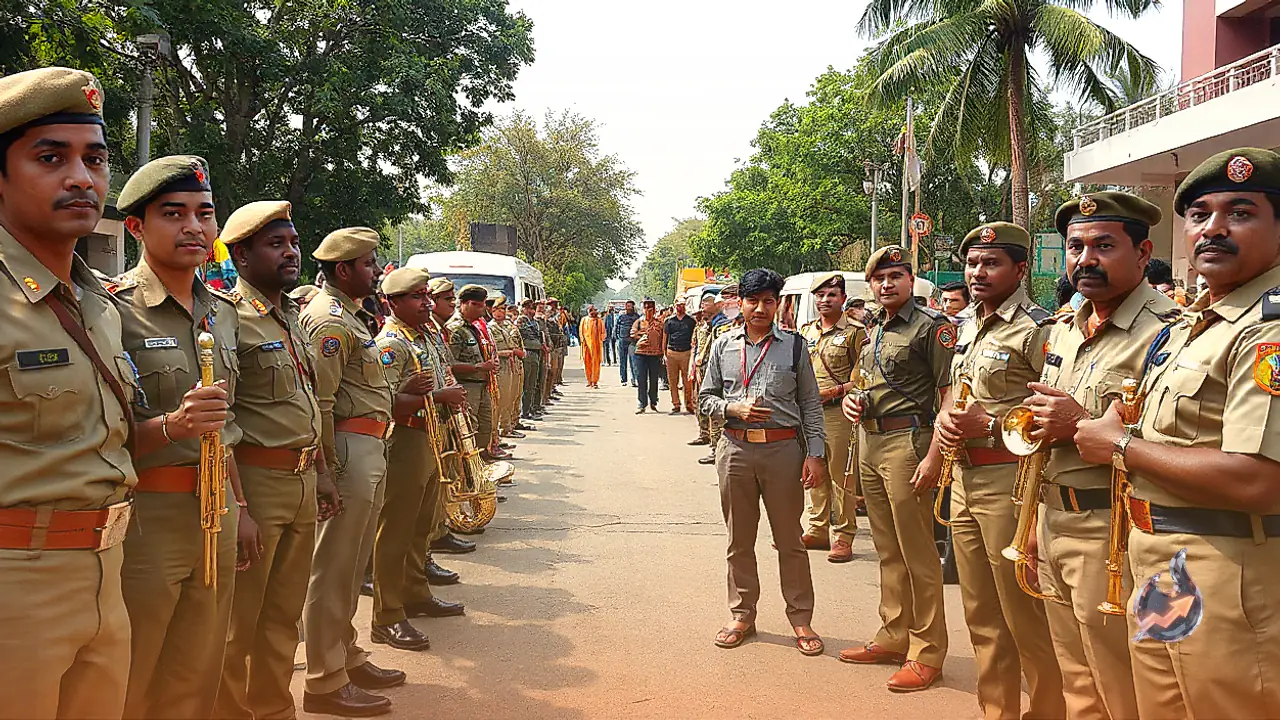
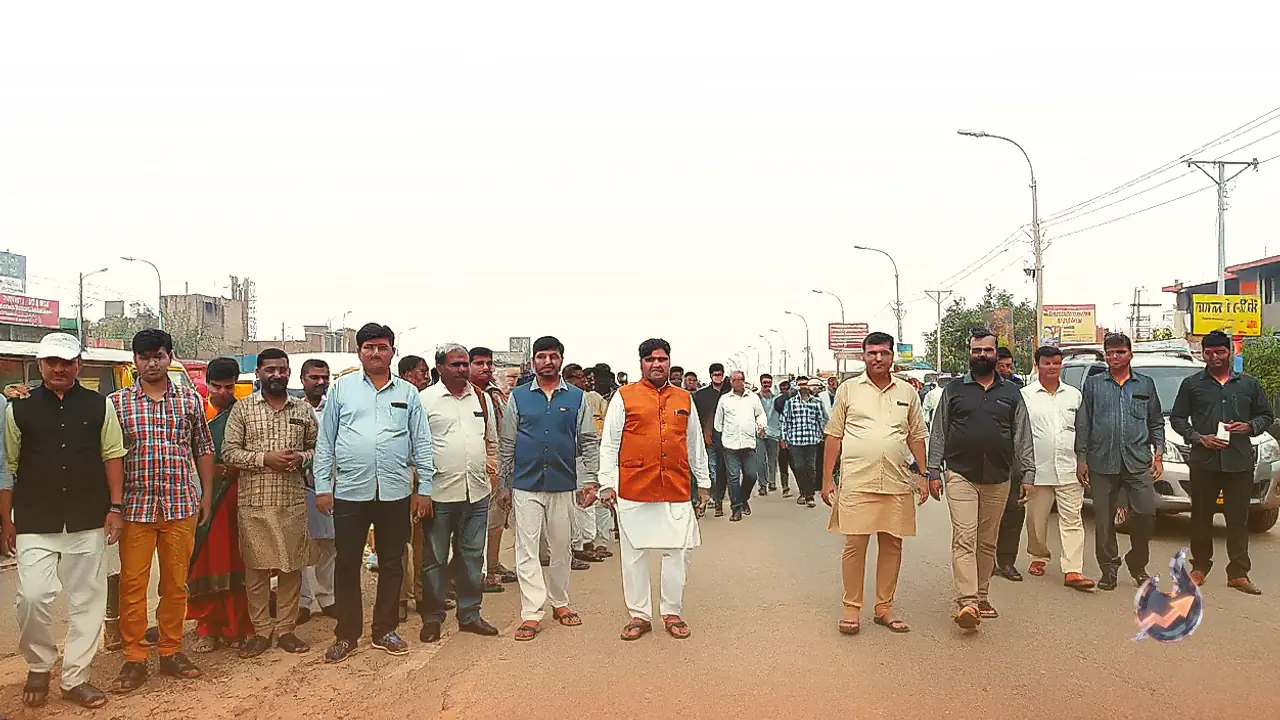
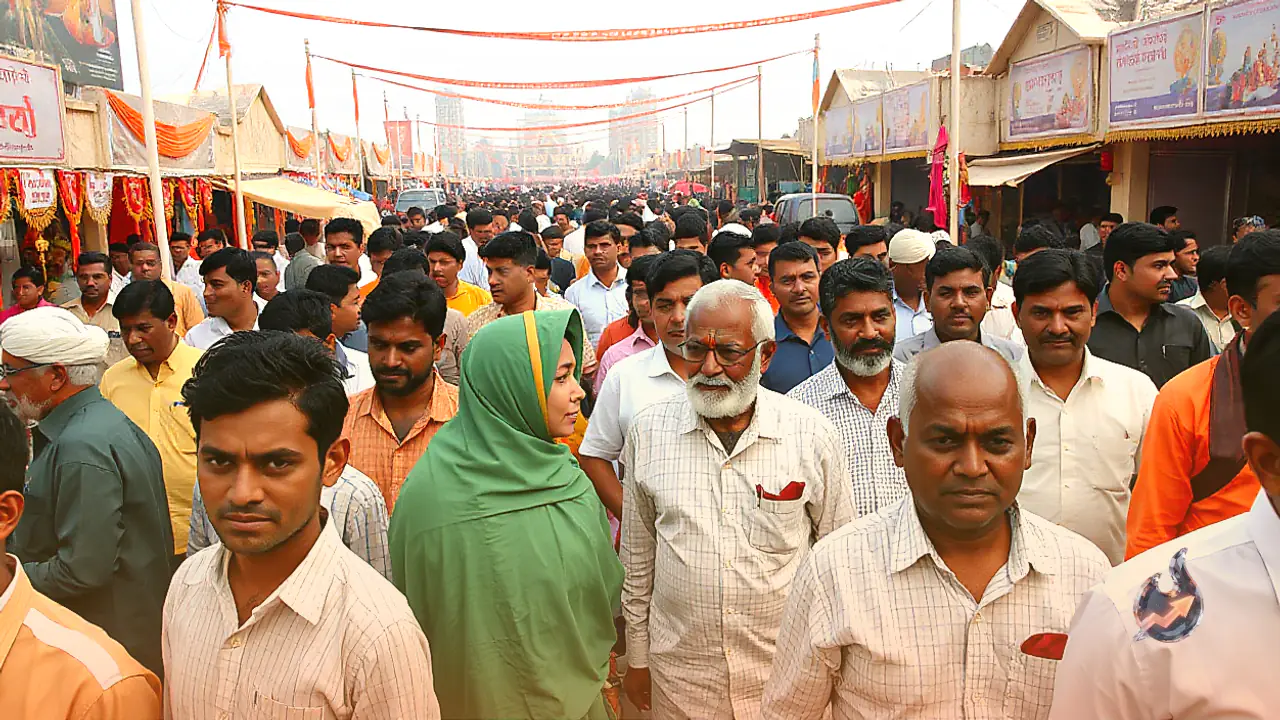
As part of the religious celebrations, a grand procession of Lord Shaligram was taken out. Lord Shaligram was seated in an attractively decorated palanquin, and devotees set out with bands, traditional instruments, and devotional songs. Participants in the procession chanted slogans dedicated to the deity and danced joyfully to the tunes of hymns. As the procession passed through the main thoroughfares of the town, residents showered flowers from various spots to welcome it. Women sang traditional auspicious songs to celebrate the joyous occasion, creating an atmosphere resembling a grand family wedding celebration.
Invitations and Traditional Rituals
The preparations and religious events for the Tulsi Vivah officially commenced by offering a wedding invitation letter to the town deity, Lord Gopinathji. Adhering to Sanatan traditions, the town deity was invited first to participate in the celebrations. Following this, traditional rituals associated with the wedding began step by step, including the Korath and Tilak ceremonies performed according to proper Vedic procedures. During the Tulsi Vivah worship, the main host Dinesh participated along with his wife to perform the rituals and fulfill religious duties, paving the way for the procession.
Wedding Concluded with Vedic Hymns
The procession of Lord Shaligram made its way through the main streets before reaching the wedding venue. A large number of men, women, and young devotees participated in the procession with immense enthusiasm. The atmosphere turned completely devotional amidst sacred hymns and chants. Upon reaching the venue, women welcomed the procession with auspicious songs. Amidst the showering of flowers, the ritual of touching the Toran was performed according to traditional customs. Later in the night, priests Pandit Krishna Shastri and Brijesh Shastri solemnized the marriage of Mata Tulsi and Lord Shaligram through chanting of Vedic mantras.
Conclusion of Chaturmas and Start of Auspicious Works
Explaining the significance of the day, Pandit Krishna Shastri stated that Devuthani Ekadashi holds special importance in Sanatan Dharma. According to religious belief, Lord Vishnu goes into Yognidra on Ashadha Shukla Ekadashi and wakes up on Kartik Shukla Ekadashi after four months. This day marks the conclusion of Chaturmas, signalling the commencement of weddings and other auspicious ceremonies. Tulsi Vivah is an important part of this tradition, performed by devotees to pray for family prosperity and well-being. He added that such religious events provide the younger generation an opportunity to connect with their culture and traditions, and the grand participation in Sultana once again highlighted strong community bonding.