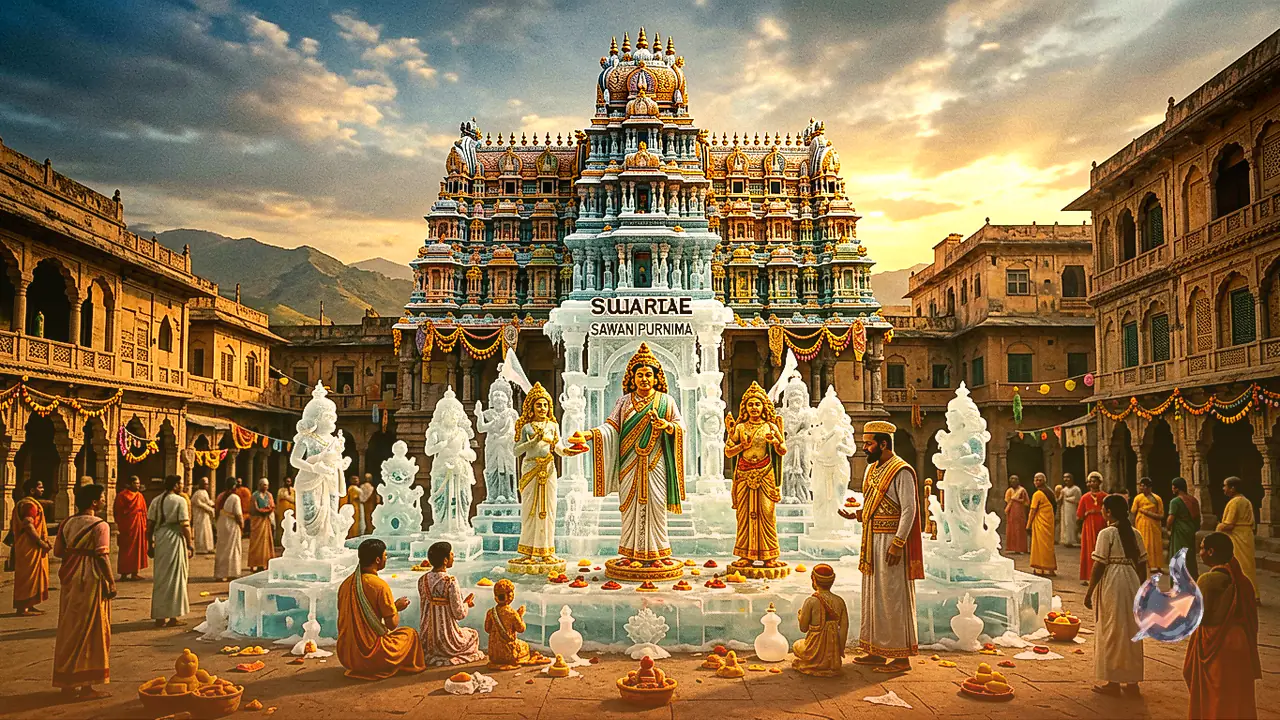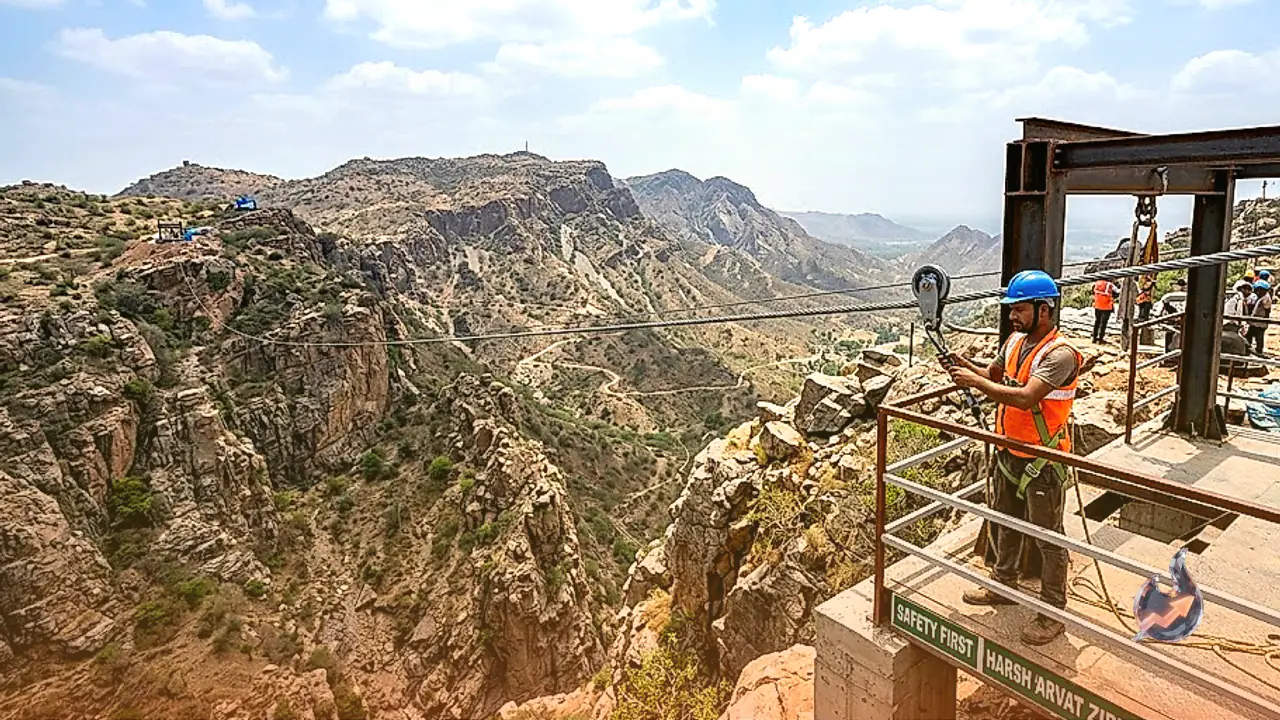



















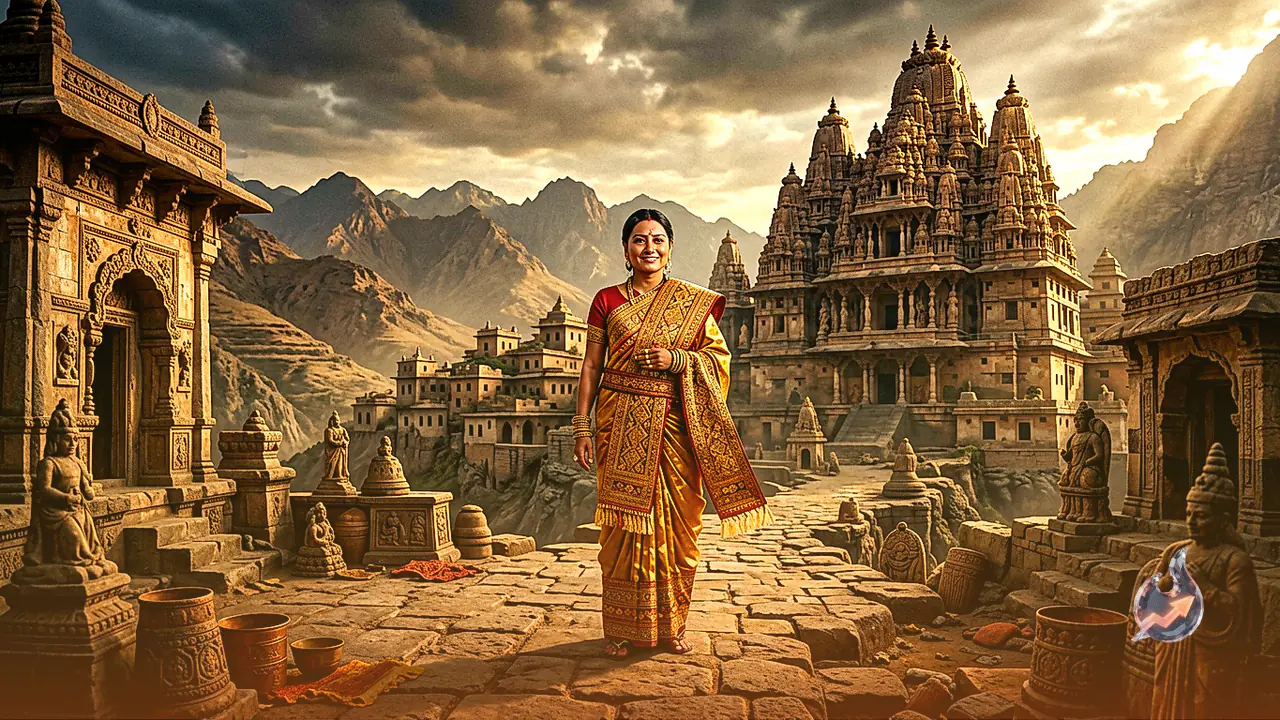

On the auspicious occasion of Rakshabandhan, a remarkably unique tradition honoring the sacred bond between brother and sister unfolds in the Aravali hills of Sikar district in Rajasthan. While sisters across the country tie protective threads on the wrists of their brothers, two prominent spiritual shrines nestled in the region, the Jeen Mata Temple and the Harshnath Bhairav Temple, observe a centuries-old ritual. On this day, Jeen Mata, revered as a goddess and sister, sends a special sacred rakhi to her brother, Harshnath Bhairav. Carrying a custom handcrafted rakhi consecrated in the sanctum sanctorum of the Jeen Mata Temple, priests undertake an arduous 14-kilometer trek across mountain trails to reach the summit of Harsh Mountain, where the rakhi is tied onto the wrist of Bhairav Dev.
Morning Rituals and the 14-Kilometer Mountain Trek
The festival day opens early at the Jeen Mata Temple with extensive religious ceremonies and devotional rituals. Following a special decorative adornment and solemn prayers offered to the deity, temple priests place a custom rakhi measuring several feet in length, crafted delicately by hand, at the feet of the goddess inside the garbhagriha. Once the consecration ritual is complete, the sacred thread is ceremonially dispatched toward Harsh Mountain. Accompanied by the rhythmic beating of traditional drums, musical instruments, and enthusiastic devotional chants praising the goddess, the priests depart from the Jeen Mata shrine. Navigating a challenging 14-kilometer hilly path through the Aravali landscape, the procession makes its way to the summit where the Harshnath Bhairav Temple stands.
Rakhi Offering on Harsh Mountain and Devotee Beliefs
Upon arriving at the Harshnath Bhairav Temple atop the peak, the resident priests perform formal worship and ritualistic archana. The long rakhi brought from Jeen Mata's shrine is then reverently presented and tied around the wrist of Harshnath Bhairav, after which a grand aarti is conducted. A large gathering of pilgrims, including numerous brothers and sisters, congregates within the temple precinct to witness this divine ceremony. According to deep-seated local belief, seeking blessings at both the Jeen Mata and Harshnath Bhairav shrines together on Rakshabandhan strengthens emotional ties between siblings, nurtures lifelong affection, and dissolves misunderstandings or disputes.
The Folk Legend of Ghanghu Village in Churu
The sacred connection between Jeen Mata and Harshnath Bhairav is anchored in an ancient and cherished folklore of the region. According to popular legend, the siblings lived in Ghanghu village, located in Churu district. After losing both their parents during early childhood, the elder brother Harsh looked after his younger sister Jeen with extraordinary devotion and affection. As time passed, Harsh got married, but his wife grew increasingly unhappy and jealous of the profound affection shared between the siblings. Following a domestic disagreement, a deeply hurt Jeen left her ancestral home and retreated to the quiet hills of Sikar to perform rigorous penance. Learning of her departure, Harsh pursued his sister into the mountains.
Divine Boons and the Legend of Aurangzeb's Defeat
Following years of intense austerity and meditation, Goddess Durga appeared before Jeen and granted her the boon of being worshipped as a goddess, while Lord Shiva blessed Harsh with the divine form of Bhairav. Consequent to these divine blessings, worship of Jeen Mata and Harshnath Bhairav began, forever binding the two mountain temples in sacred sibling reverence. In addition to this folk tradition, a dramatic historical account is attached to the region. Mughal ruler Aurangzeb had previously attacked and destroyed the thousand-year-old Shiva temple alongside other shrines on Harsh Mountain. However, when his army turned to attack the Jeen Mata Temple, the goddess dispatched a formidable swarm of divine honeybees to protect her sanctuary. The relentless bee attack forced Aurangzeb's forces to retreat in disarray, and local villagers believe these divine bees guard the temple to this day.