





















The monsoon season has concluded, but a severe lack of rainfall across the Godwar region of Pali district has triggered widespread anxiety regarding agriculture, drinking water supplies, and the wildlife inhabiting the Kumbhalgarh sanctuary. Rainfall deficits during the current season have severely impacted natural water repositories, raising urgent concerns about resource availability as water tables plummet across the region.
Rainfall Deficits Across Godwar and Desuri
Data from the region indicates that Desuri has received approximately 277 millimeters of rainfall, while the broader Godwar region recorded between 277 and 295 millimeters. Despite this precipitation, local rivers and rivulets failed to receive adequate water inflows, causing the water levels in dams and natural sources to decline continuously. Experts warn that this prolonged shortfall will inevitably lead to severe hardships in the near future.
The Drying of Juna Malari Dam
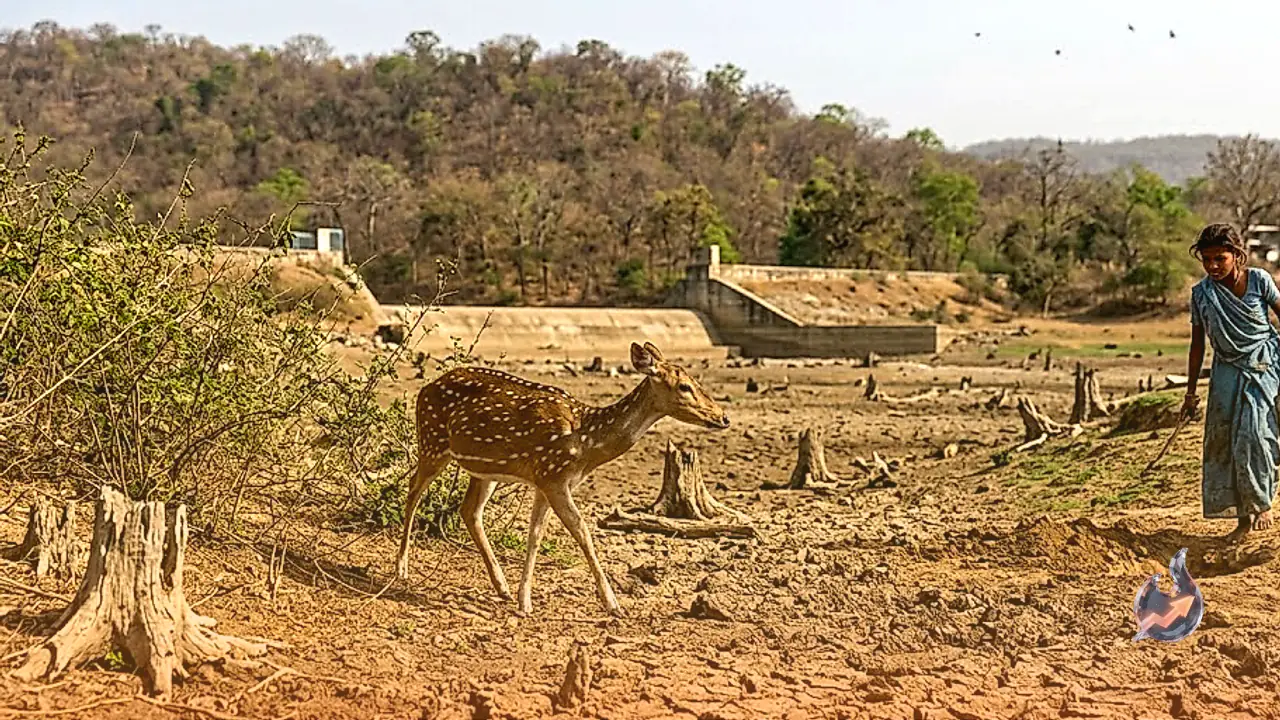
The water crisis has severely affected the sub-division, where the Juna Malari dam has completely dried up, alongside numerous small natural water sources that now stand on the verge of total depletion. In several locations, water has dropped well below the surface level. According to experts, even if the remaining water from the previous year is managed with extreme caution, supplies may only sustain drinking requirements until January or February, pointing toward an acute water crisis during the impending summer months.
Impact on Kumbhalgarh Wildlife Sanctuary
The drought-like conditions are heavily impacting the Sadri and Desuri ranges of the Kumbhalgarh Wildlife Sanctuary, where natural and artificial waterholes are experiencing critical depletion. With numerous sources drying up entirely, animals face an extreme crisis in fulfilling their basic survival needs. Ensuring a continuous and adequate water supply for the sanctuary's fauna amid soaring temperatures and deficient rainfall has emerged as a daunting challenge for the forest department.
Rising Threat of Human Wildlife Conflict
The scarcity of water and food inside the forest significantly elevates the risk of wildlife moving closer to human habitations. Animals are expected to venture out of forest boundaries in search of sustenance, amplifying the likelihood of dangerous encounters with local villagers. This looming threat of human-wildlife conflict poses serious risks to rural safety while simultaneously jeopardizing wildlife conservation efforts, a trend that local experts view as a major warning sign.