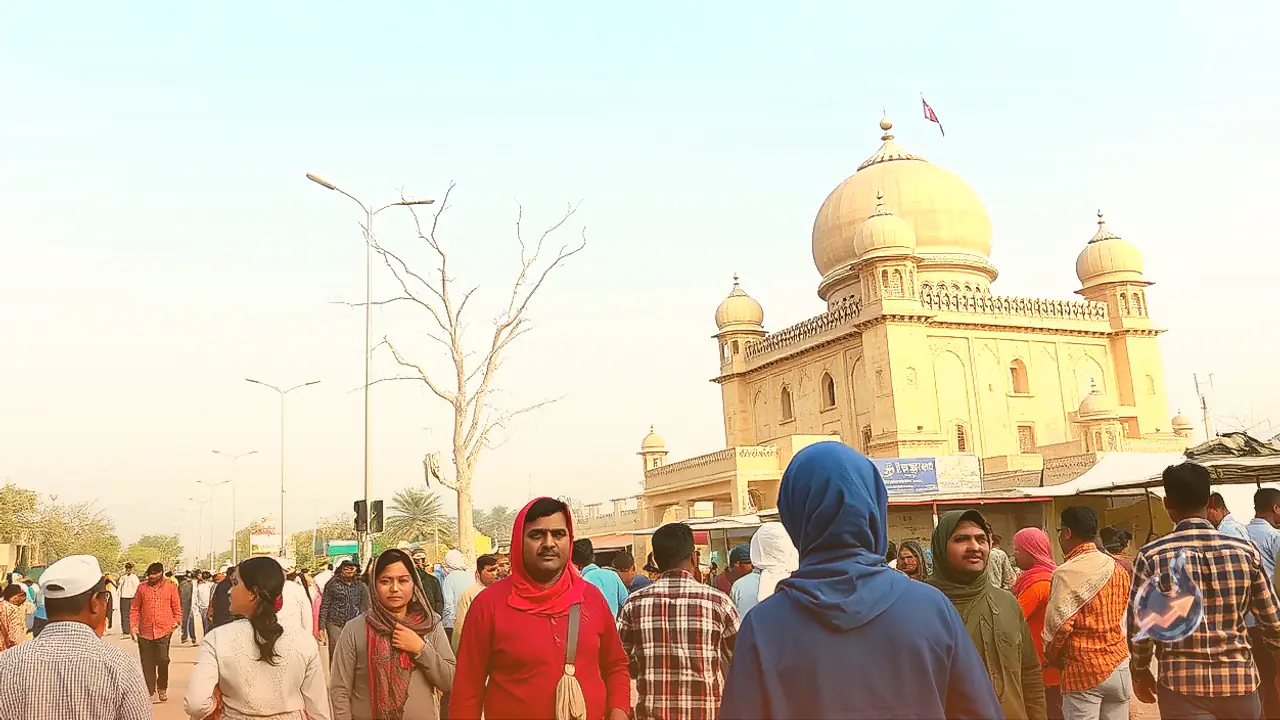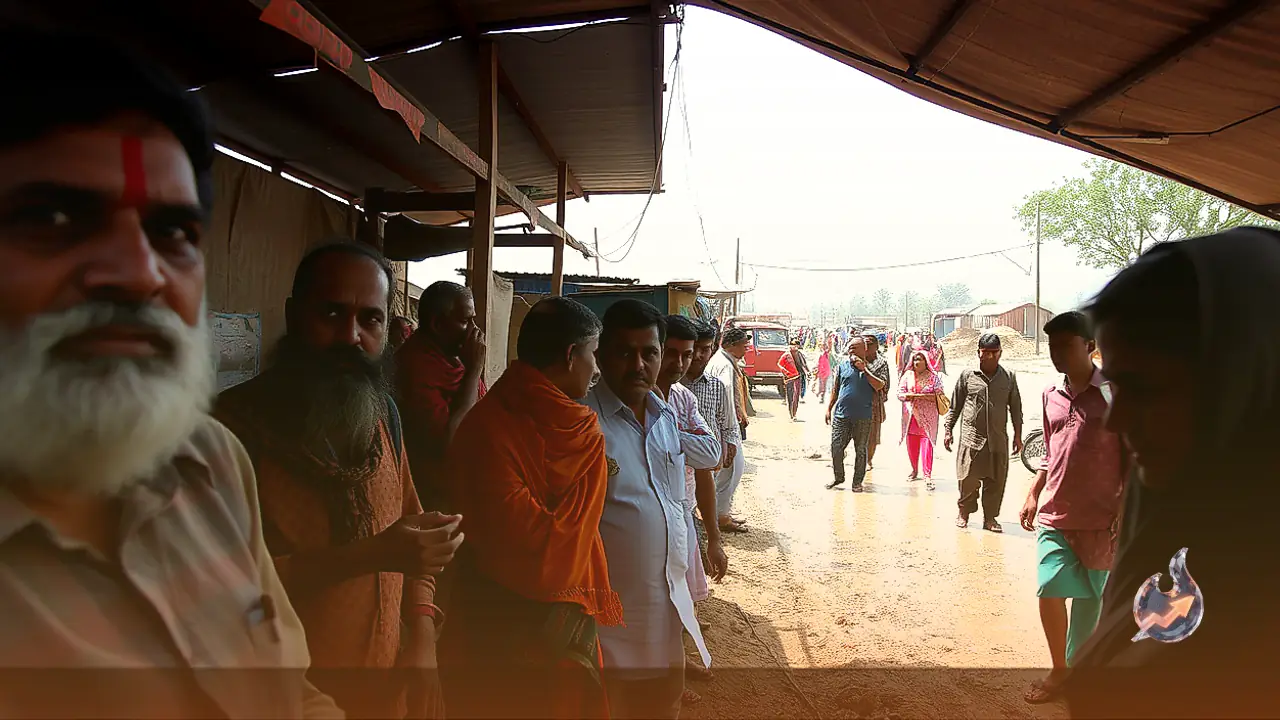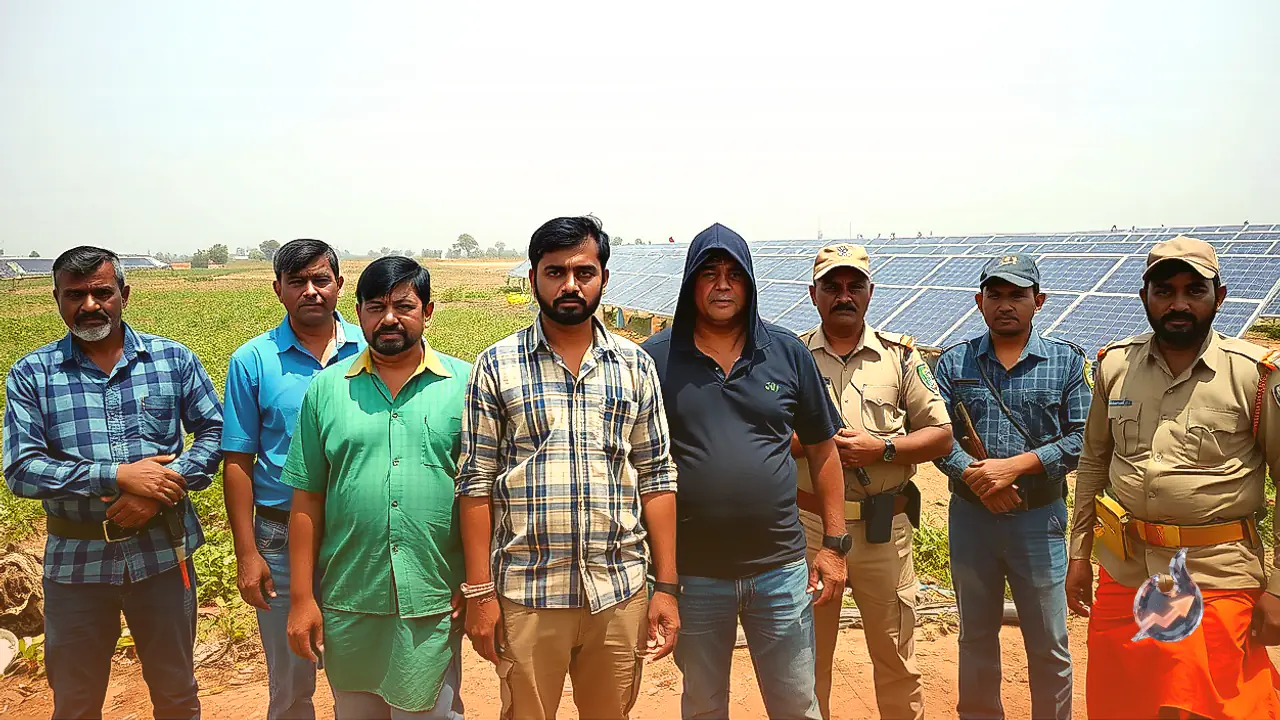





















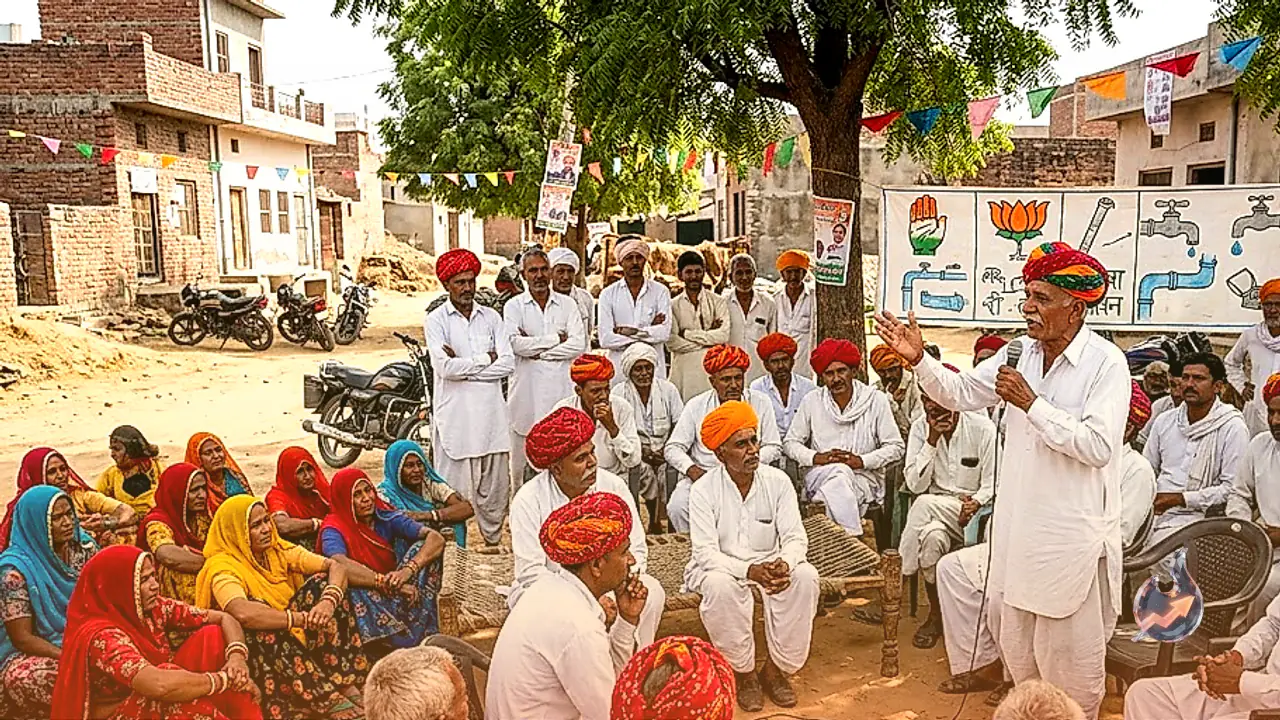

With the announcement of the panchayat election schedule in Rajasthan, political activities across rural areas have gained significant momentum. Local meetings, village gatherings, and discussions among potential candidates are already underway. In the midst of these preparations, the Shekhawati region has emerged as a major focal point of political attention. The long-standing water crisis in the districts of Sikar, Churu, and Jhunjhunu has traditionally driven local sentiment, and the inter-state Yamuna water agreement signed with Haryana has now firmly positioned itself at the core of rural electoral debates.
Technical Structure and Pipeline Infrastructure of the Agreement
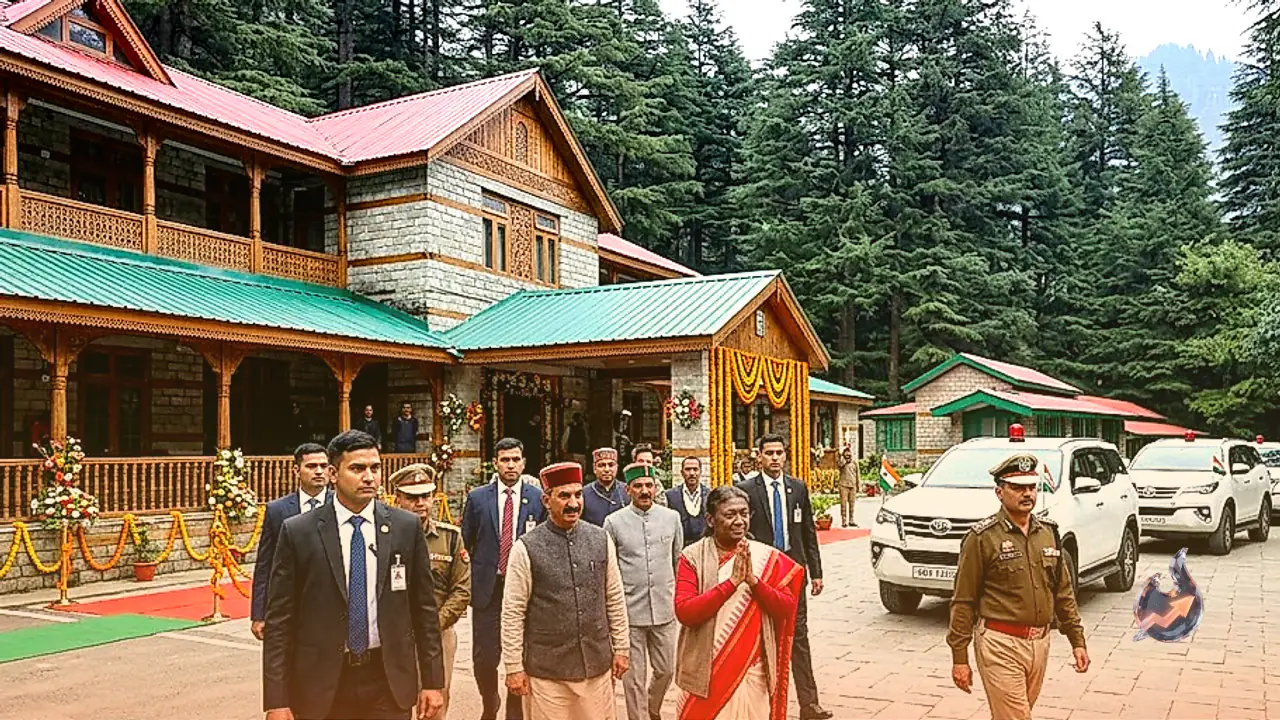
The Yamuna water initiative represents a significant infrastructure framework aimed at addressing persistent water deficits in northern Rajasthan. On June 29, 2026, the state governments of Rajasthan and Haryana formally signed an agreement regarding the construction and implementation of the Yamuna water project. The formal signing took place in the presence of Union Home Minister Amit Shah, alongside Rajasthan Chief Minister Bhajan Lal Sharma.
Under the terms of the accord, Rajasthan's designated share of Yamuna water is planned to be transported from Haryana through the Western Yamuna Canal network via an underground pipeline corridor. The detailed project report (DPR) specifies a 295.5-kilometer pipeline system stretching from the Hathnikund Barrage in Haryana directly into Rajasthan. The plan allocates approximately 580 million cubic meters of water to Rajasthan between July and October. To transport this volume, authorities have proposed constructing three parallel underground pipelines, which will be utilized primarily for drinking water supplies and subsequent local requirements across beneficiary districts.
The Longstanding Water Challenge Across Shekhawati Districts
The water crisis in Churu, Sikar, and Jhunjhunu is rooted in decades of severe resource depletion. Heavy reliance on groundwater extraction over many years has led to a steep decline in the subterranean water table across the region. As open wells and tube wells have dried up, residents in numerous rural pockets have faced daily struggles to secure safe drinking water.
In addition to drinking water shortages, local farmers have consistently dealt with an acute lack of irrigation infrastructure. Without consistent canal access and with unpredictable rainfall, agricultural productivity in Shekhawati has remained severely constrained. Consequently, the plan to bring Yamuna waters through dedicated pipelines is viewed by rural households not merely as a government announcement, but as an essential intervention directly linked to daily livelihood, farming stability, and quality of life.
Complete Schedule for the Four-Phase Panchayat Elections
The upcoming Panchayati Raj elections across Rajasthan are scheduled to take place in four structured phases, covering both intermediate and village-level administrative bodies
- Zila Parishad and Panchayat Samiti Members: Polling for these regional council seats will be conducted on October 23, October 29, November 4, and November 14.
- Panch and Sarpanch Positions: Direct voting for village ward panchs and village head sarpanchs will take place on October 25, October 31, November 6, and November 16.
Spanning from late October through mid-November, this multi-stage election window ensures that project timelines, execution guarantees, and regional resource distribution will remain subject to active public scrutiny throughout the campaign period.
The 2024 General Election Context and Local Political Complexities
A look at the 2024 parliamentary election results provides vital context for understanding Shekhawati's electoral landscape. In that contest, the ruling Bharatiya Janata Party did not secure victories across the three parliamentary constituencies of the region. Congress candidate Rahul Kaswan won the Churu seat, Congress leader Brijendra Singh Ola secured Jhunjhunu, and CPI(M) candidate Amra Ram was elected from Sikar.
These outcomes underline that political loyalties in Shekhawati remain diverse rather than aligned with any single party. The region features a substantial and politically engaged Jat community, alongside strong farmer organizations and district-specific voting dynamics. While agrarian concerns and social alignments played a decisive role in previous elections, the formalization of the Yamuna water pact offers ruling party strategists a tangible infrastructure achievement to highlight during rural campaigning.
Electoral Repercussions and Grassroots Expectations
Panchayat contests are predominantly determined by grassroots considerations, where personal reputation, family ties, village alliances, and local administrative responsiveness carry immense weight. Nevertheless, the resolution of an inter-state water dispute that remained stalled for decades presents a major narrative point for campaigns.
Ruling party representatives are actively presenting the signed pact and the projected water inflow as a landmark delivery of governance. Meanwhile, rural voters are closely examining the realistic timelines for on-the-ground pipeline construction and the actual date when water will reach their specific village reservoirs. The intersection between long-term infrastructure promises and immediate local governance will serve as a defining theme across Shekhawati during the polling weeks ahead.