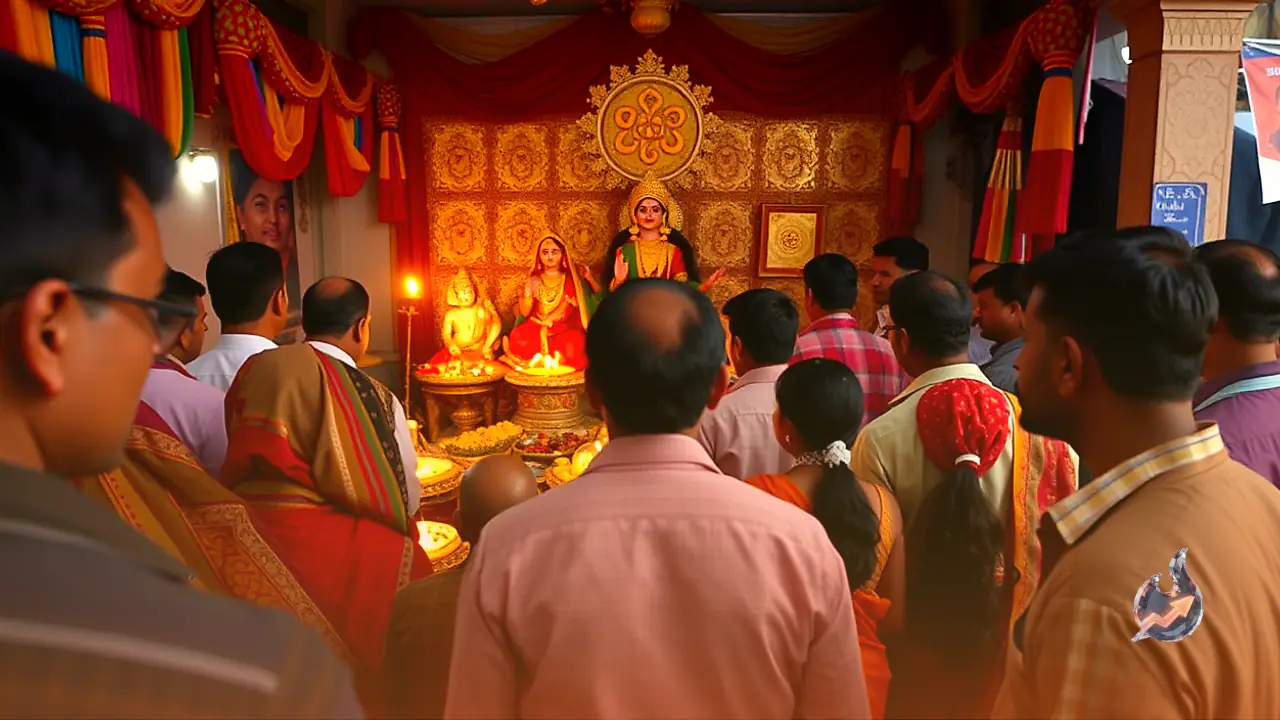



















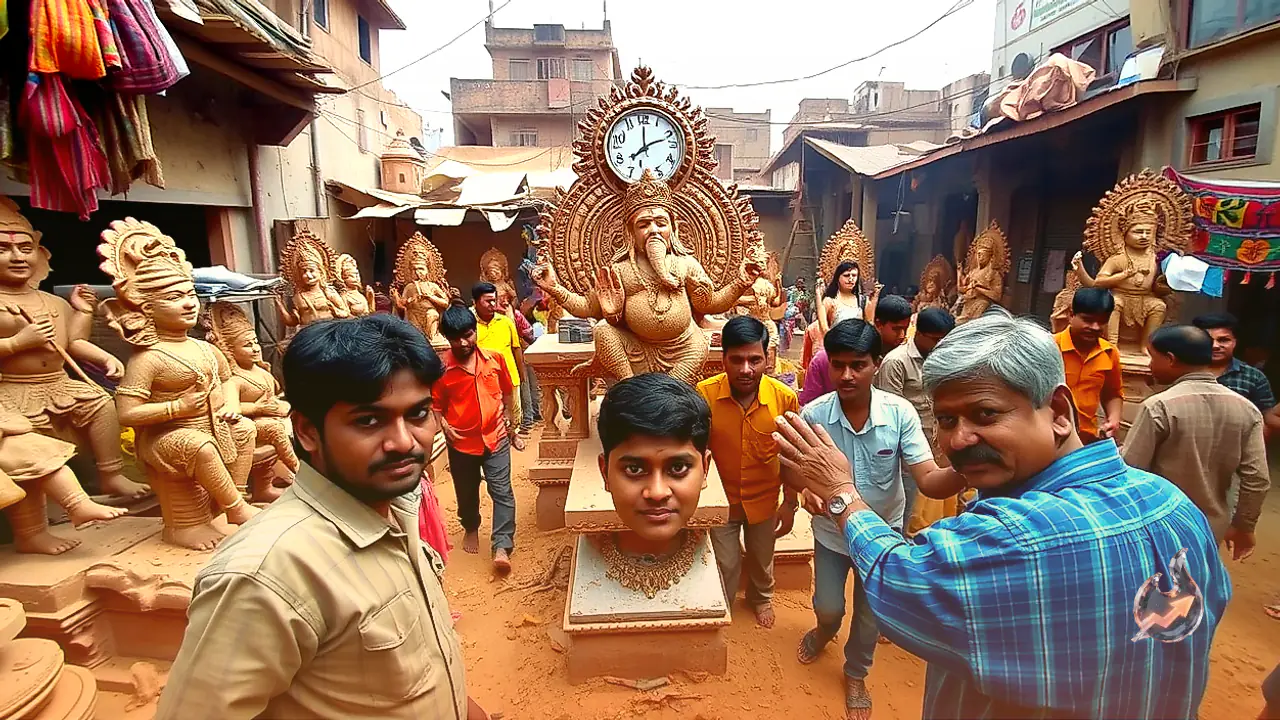

With the festive arrival of Sharad Navratri drawing near, preparations across Sikar in Rajasthan have shifted into top gear as artisans give final touches to grand idols of Goddess Durga. In workshops dotted around the city, skilled craftsmen hailing from West Bengal are laboring day and night to assemble and detail the sacred sculptures. What distinguishes these majestic idols is a deliberate blend of local Rajasthani soil and specialized clay transported directly from Bengal, an ingredient essential for achieving the smooth, flawless finish traditional to Bengali idol-making.
Grueling Work Hours to Meet Festive Deadlines
Crafting intricate idols of Durga slaying the demon Mahishasura is an exhaustive, physically demanding craft that spans several weeks. A group of around 11 sculptors has traveled from Bengal to Sikar specifically for this season. To ensure that every commissioned piece is completed and dried well before the inaugural day of Navratri, the artisans are putting in grueling shifts ranging from 18 to 20 hours each day, managing everything from foundational shaping to delicate brushwork and ornamentation.
From Bamboo Frames to Special Imported Alluvial Clay
Describing the step-by-step methodology, sculptor Raju Pal explained that every idol begins with a sturdy wooden and bamboo framework. Once the structural skeleton is secured, straw, dry hay, and jute twine are tightly wound around the armature to establish the primary contours and posture of the figures. A substantial base coat of local Sikar soil is then applied over the straw to build volume and strength.
The defining stage follows once the base layers dry: artisans apply a refined outer coating composed exclusively of clay brought from Bengal. According to the artisans, this imported clay possesses exceptional pliability, high adhesion, and a very fine texture. It yields a seamless, porcelain-like surface that drastically minimizes the risk of cracking or fracturing as the idol cures in the dry Rajasthani heat. Because of these unique physical characteristics, bringing this soil across the country remains an indispensable tradition for sculptors aiming for immaculate detail.
Ornamentation, Festive Economy, and Regional Demand
Once the clay work sets completely, the figures are coated in bright hues and detailed with expressive eyes and traditional facial motifs. The idols are then draped in elaborate fabrics, crowned with sparkling tiaras, and adorned with jewelry, decorative garlands, and miniature weaponry held in the goddess's multiple hands, bringing the display to life.
The annual manufacturing of Durga idols represents a substantial seasonal industry in Sikar, generating business exceeding 1 crore rupees annually. For the current season, the artisans are targeting the production of more than 100 idols. Orders have poured in not only from local neighborhoods across Sikar but also from surrounding districts and towns, including Churu, Jhunjhunu, Nagaur, Fatehpur, and Jaipur. Within Sikar alone, elaborate Durga Puja pandals are set up at more than two dozen venues during the festival.